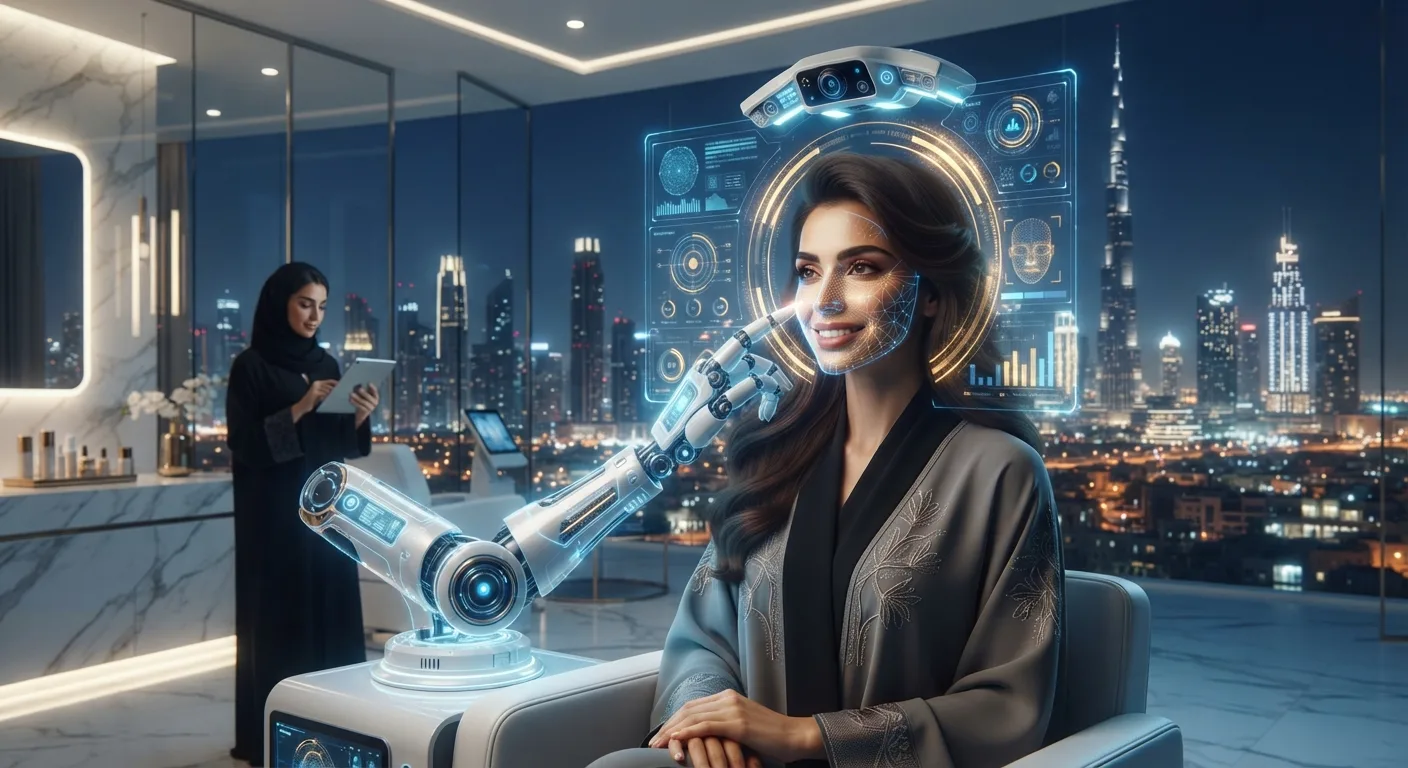
The beauty and personal care sector in the Gulf region is witnessing a rapid transformation, driven by changing consumer behaviour and growing interest in long-term skin and appearance care, alongside the rapid development of digital services and e-commerce. As customer expectations rise and the options available to them expand, quality, experience, and the ability to provide more personalised services have become key factors in building a sustainable relationship with customers.
At the same time, social media continues to reshape the competitive landscape of the beauty sector, as digital platforms have become a major part of the journey of discovering services and products and making purchasing decisions. With artificial intelligence increasingly entering skin analysis, consultations, bookings, marketing, and business management, companies and professionals in the sector are moving into a new phase in which technology intersects with human expertise and direct communication with customers.
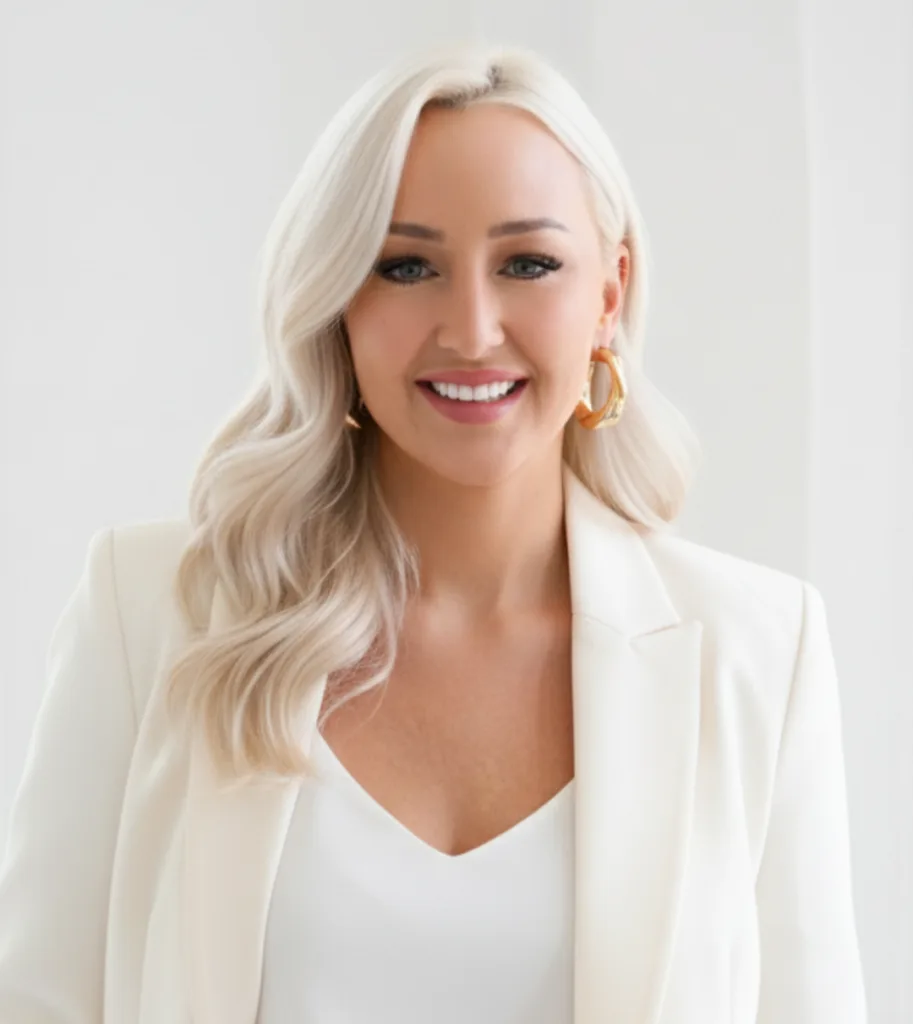
In an exclusive interview with Lana, Katie Godfrey, Beauty Business Strategist, Author & Founder of KG Professional, talks about the transformations taking place in the beauty sector in the Gulf region, the trends that can continue to grow versus temporary fads, the impact of social media and e-commerce on consumer behaviour, as well as the role of artificial intelligence in personalising services and reshaping the roles of professionals, and the future of digital competition and beauty standards amid the rapid development of technology.
Long-Term Results Drive Beauty Trends in the Gulf
Regarding the global beauty trends she expects to genuinely take off in the Gulf compared with temporary fads, she explained that trends based on results and long-term skin health will be the most enduring, saying: “The trends that will genuinely take off in the Gulf are the ones built around results and long-term skin health. Clients in this region are some of the most educated and discerning in the world, and they are moving away from one-off quick fixes towards ongoing, results-driven journeys. Skin longevity, advanced facials, regenerative treatments, and personalised treatment plans will only grow, because they deliver something clients can see and feel over time. I also believe recurring models such as memberships and treatment plans will become standard here, because clients want consistency and .businesses want predictable revenue
The fads are easy to spot. Anything that goes viral on social media purely because it looks good on camera, rather than because it works, tends to burn out quickly. Trends built on hype rather than results might fill a diary for a few months, but they rarely build a business. The Gulf market in particular has very high standards, and clients here will always come back to quality and outcome over novelty.”
Social Media Reshapes Competition
Speaking about the extent to which social media platforms have changed the rules of competition within the beauty sector, she noted that competition has become increasingly linked to visibility, trust, and digital consistency, saying: “Social media has completely rewritten the rules. Competition is no longer about who has the biggest premises or the largest marketing budget. It is about who is the most visible, the most trusted, and the most consistent online. A solo practitioner with a strong personal brand can now compete with, and often outperform, an established clinic, purely because clients buy from people they feel connected to.
But it has also raised the bar. Your online presence creates an expectation, and the in-person experience has to match it. If your content promises a premium experience and a client walks into something average, you lose them, and they tell people. So social media has not just changed how businesses market. It has forced them to look at every part of the client journey, because everything is now visible, shareable, and judged.”
Purchasing Starts on Social Media Platforms
Regarding the change brought about by e-commerce and social media platforms in the way consumers discover and purchase beauty products in the UAE and across the region, she explained that the buying journey begins before reaching the salon or clinic, saying: “Discovery now starts long before a client ever walks through a door. In the UAE especially, clients research on Instagram and TikTok, check reviews, watch results, and often arrive already knowing exactly what treatment or product they want. The buying journey has moved from “recommendation in the chair” to “research in the feed.”
This is a huge opportunity for salons and clinics if they treat retail seriously. The businesses winning in this region are the ones making it effortless to buy from them, whether that is online stores, links in bio, WhatsApp ordering, or products recommended as part of a treatment plan.
Consumers here expect convenience and speed. If they discover a product through your content but cannot buy it from you easily, they will buy it from someone else within minutes. Retail is no longer an add-on. It is part of the client journey, and e-commerce has made it a genuine income stream for beauty businesses of every size.”
Dubai Among the Most Attractive Beauty Markets for Investment
Regarding the reasons why the UAE, and Dubai in particular, have become one of the most attractive markets for investment in the beauty sector, she said that the nature of the market, the culture of personal care, and the business environment represent key factors, explaining: “Dubai is one of the most exciting beauty markets in the world right now, and it is a big part of why I have based part of my own business here. You have a population that genuinely invests in personal care as part of their lifestyle, not as a luxury. Grooming, skin, hair, and aesthetics are woven into the culture, and clients visit far more frequently than in many other markets.
On top of that, you have the business environment. The speed at which you can set up, the support for entrepreneurs, the constant flow of tourism and new residents, and a client base with high expectations and the willingness to pay for quality. It is a market that rewards ambition. But it is also competitive, which is why the businesses that thrive here are the ones with strong foundations, clear positioning, and an exceptional client experience, not just a beautiful fit-out.”
Trends Attract Clients, Quality Keeps Them
Regarding whether trends have become more important than product and service quality when making purchasing decisions, she distinguished between the role of trends in attracting customers and the role of quality in retaining them, saying: “Trends have become more important in getting clients through the door, but quality is still what keeps them there. That is the distinction many businesses miss. A trend can create the first booking. Only results and experience create the second, the tenth, and the referral.
What I see time and time again is businesses chasing every new trend, adding services because they are viral rather than because they are profitable or right for their clients. It fills the diary short term and creates chaos long term. The strongest businesses use trends as a marketing tool, a way to start a conversation, while their actual growth is built on retention, consistency, and doing fewer things exceptionally well. Clients may discover you through a trend, but they stay because of trust.
And trust is built on quality, every single time.”
AI Turns Customer Data into Decisions
Regarding how beauty salons can use artificial intelligence to better understand customer needs and deliver more personalised services, she explained that the data salons possess can be transformed into practical decisions, saying: “Most salons are sitting on a goldmine of data and using almost none of it. Booking patterns, rebooking gaps, average spend, treatment history, retail purchases. AI can turn all of that into decisions. It can flag the client who has quietly stopped rebooking before you lose them, suggest the right treatment plan based on someone’s history, and help you send communication that feels personal rather than generic.
This is something I see daily through my own software for salon owners. The businesses using their numbers make calmer, smarter decisions, and AI simply accelerates that. On the service side, AI-powered skin analysis and consultation tools are also lifting the standard of personalisation, because recommendations become based on data as well as expertise. The key is using AI to know your clients better, so every interaction feels considered. Personalisation is what modern clients expect, and AI makes it possible to deliver at scale without losing the personal touch.”
AI Changes the Role Without Eliminating the Human Element
Regarding whether artificial intelligence could fundamentally change the role of beauty professionals, or remain primarily a supporting tool, she confirmed that technology will change the nature of the role but will not replace the human relationship, saying: “AI will change the role, but it will not replace it, because beauty has never really been about the treatment alone. Clients come for how the experience makes them feel: the confidence, the connection, the trust in the person holding the needle or the brush. You cannot automate that, and I do not believe clients want it automated.
What AI will do is strip away the parts of the job that drain professionals: the admin, the scheduling, the marketing, the follow-ups. That frees them to spend more time on what actually grows a business, which is the client in front of them. I think we will see the role evolve, with professionals becoming more consultative, using AI-driven insights to advise clients with more precision. The professionals who embrace it will stand out. The ones who ignore it will fall behind.
But the human relationship will remain the product. AI is the support act, not the headline.”
Competition Starts in the Algorithm Before the Client Enters the Salon
Regarding the possibility that competition for customers could become digital before they reach the salon with the spread of AI tools offering beauty recommendations, she said that this is already happening, explaining: “It already has. The battle for the client now starts in the algorithm, not on the high street. People are asking AI tools where to go, what treatment suits them, and which products to buy, and the businesses that appear in those answers are winning clients before anyone else even knows they exist.
This is something I work on actively with my own brand: making sure that when someone asks AI a question about growing or choosing a beauty business, my content is part of the answer. Salons need to start thinking the same way. Reviews, consistent content, a strong website, and clear positioning all feed what these tools recommend. The uncomfortable truth is that many salons are invisible in this new layer of competition and do not realise it yet. The first impression used to be your reception. Then it became your Instagram grid. Now, increasingly, it is what an AI says about you.”
AI Could Push Towards a Standardised Beauty Ideal
Regarding concerns that the use of artificial intelligence in the beauty sector could lead to the standardisation of beauty ideals, particularly as algorithms rely on global data and trends, she noted that this represents a genuine risk, saying: “It is a genuine risk, and one the industry needs to take seriously. Algorithms learn from what is most engaged with globally, which means they can end up pushing everyone towards one narrow ideal: the same face, the same features, the same “perfect” look. We have already seen this with social media filters, and AI recommendations could amplify it further.
This is where the responsibility of the professional becomes more important, not less. A skilled practitioner’s job is to enhance what makes a client individual, not to reproduce a template. The businesses that will stand out in the next decade are the ones that champion personalisation and individuality, and use AI as an input into their expertise rather than a replacement for it.
Technology should inform the consultation. It should never dictate the outcome. Beauty has always been at its best when it celebrates difference, and it is up to us as an industry to keep it that way.”
AI-Powered Salons Are Close to Becoming the Norm
Regarding her expectations that salons will operate partially through artificial intelligence in the coming years, from booking appointments to recommending services and products, she confirmed that this trend has already begun, saying: “Absolutely, and the forward-thinking ones already are. AI is quietly running in the background of successful salons right now: automated booking and reminders, filling last-minute cancellations, personalised retail recommendations, marketing content, stock management, and client communication that goes out without anyone lifting a finger.
Over the next few years I expect this to become the norm rather than the exception. Clients will feel it as convenience: easier booking, better recommendations, communication that actually feels relevant to them. Owners will feel it as time and money: fewer gaps in the diary, stronger retention, and hours of admin handed over to systems. The businesses that resist it will find themselves working harder for less. But the winning formula will not be AI instead of people. It will be AI running the back end so the humans can deliver an exceptional experience at the front. That combination, technology behind the scenes and genuine human connection in the room, is the future of this industry.”