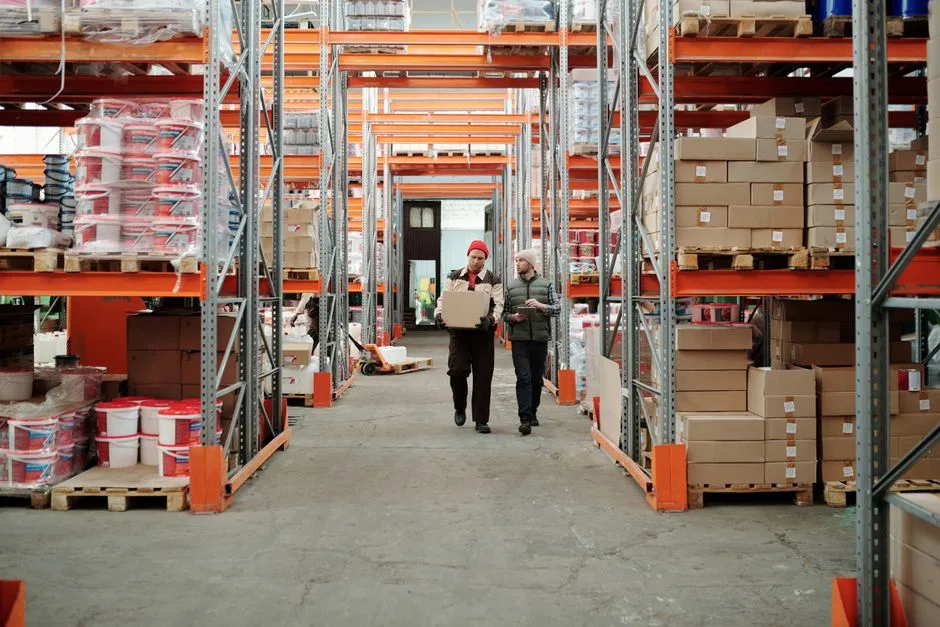
Dubai’s warehousing market generated AED 1.8 billion in total rental value in the first half of 2026, up nearly 10 per cent on the same period last year, according to Cavendish Maxwell.
Average rental rates rose almost 12.5 per cent year-on-year, the real estate advisory firm said in its latest warehouse and retail performance report.
Around 10,000 warehouse leases were signed between January and June. Renewals climbed 22 per cent year-on-year to a new half-year record, with some 8,200 renewal contracts completed in the period. Overall leasing volumes, however, fell 4.5 per cent against H1 2025, and new contracts dropped by more than 50 per cent.
“The sharp contraction in new contracts, alongside record renewal levels points to an occupier market characterised by strong retention but a reduced appetite for new space commitments. This pattern is consistent with a more cautious business environment, where occupiers are favouring existing locations over expansion into additional warehouse space amid higher costs and greater market uncertainty,” Vidhi Shah MRICS, Director, Head of Commercial Valuation at Cavendish Maxwell said in a statement.
Smaller units dominated activity. Nearly 70 per cent of leases were for premises under 5,000 sq ft, with more than half falling in the 2,000–5,000 sq ft range.
Larger spaces above 10,000 sq ft accounted for almost 20 per cent of leases. The least active size bracket was 5,000–10,000 sq ft, at around 12 per cent.
All locations tracked by Cavendish Maxwell recorded positive rental growth. Jebel Ali led with a 15.5 per cent increase, followed by Dubai Industrial City at 15 per cent and Ras Al Khor at just under 14 per cent. Quarter-on-quarter performance was more mixed, with modest rises in some submarkets and slight declines in others, suggesting the pace of growth may be easing in pockets of the market.
“The second half of the year is likely to see a more selective market rather than a broad- based slowdown. Well-located warehouse facilities should continue to attract occupier interest, while new leasing and expansion decisions are likely to take longer as businesses remain cautious about costs and regional conditions,” Shah added.