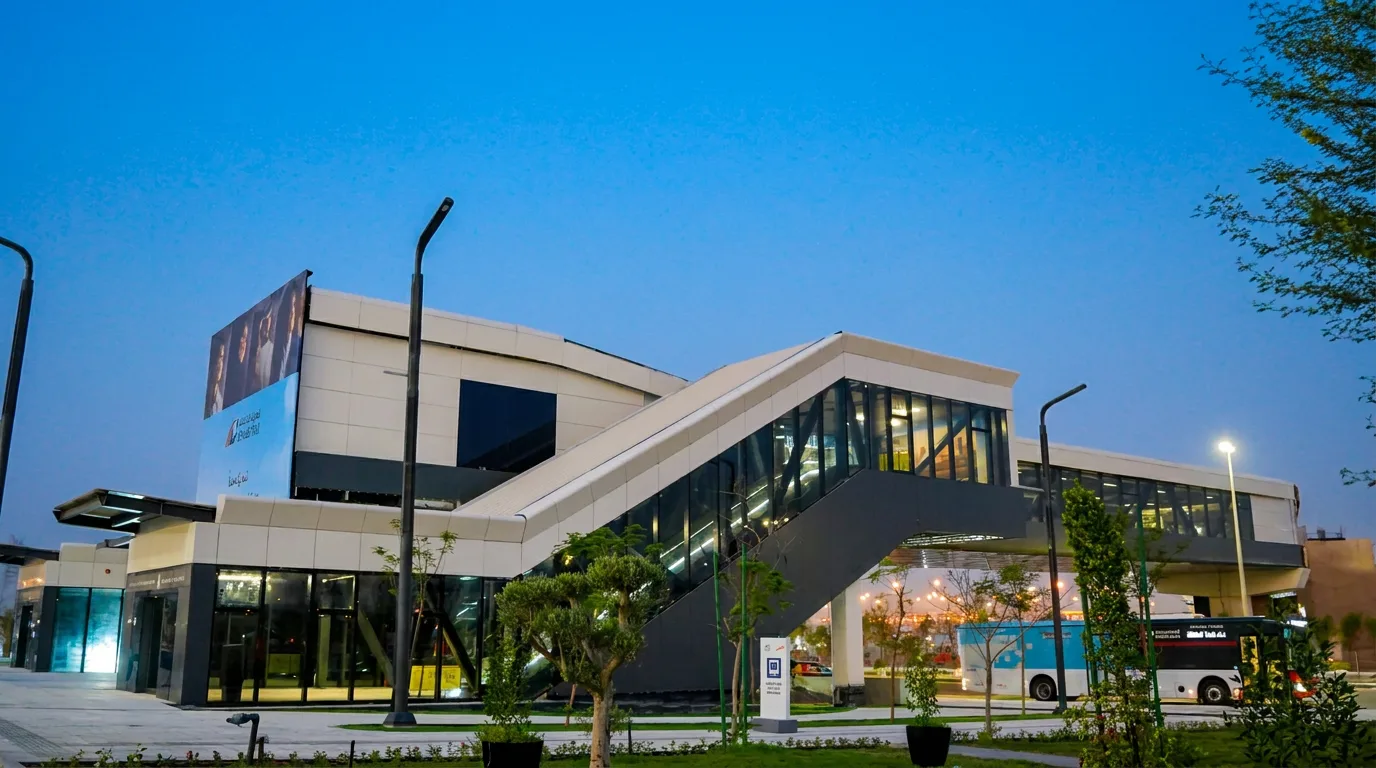
The world’s first purpose-built commercial vertiport has an energy system to match its ambition. VDX, located next to Dubai International Airport, reached technical completion in April 2026 and received certification for eVTOL operations in July 2026. Schneider Electric supplied the electrical and digital infrastructure that keeps it running.
The facility is designed to handle up to 170,000 passengers a year and will serve Joby Aviation’s aircraft as the flagship node in Dubai’s planned air taxi network. Three further vertiports are in development at Dubai Marina, Downtown Dubai, and Palm Jumeirah.
Electric aircraft create a specific infrastructure challenge: high-power charging that fluctuates rapidly with demand, running alongside terminal systems that must stay operational at all times. Schneider Electric’s architecture addresses both.
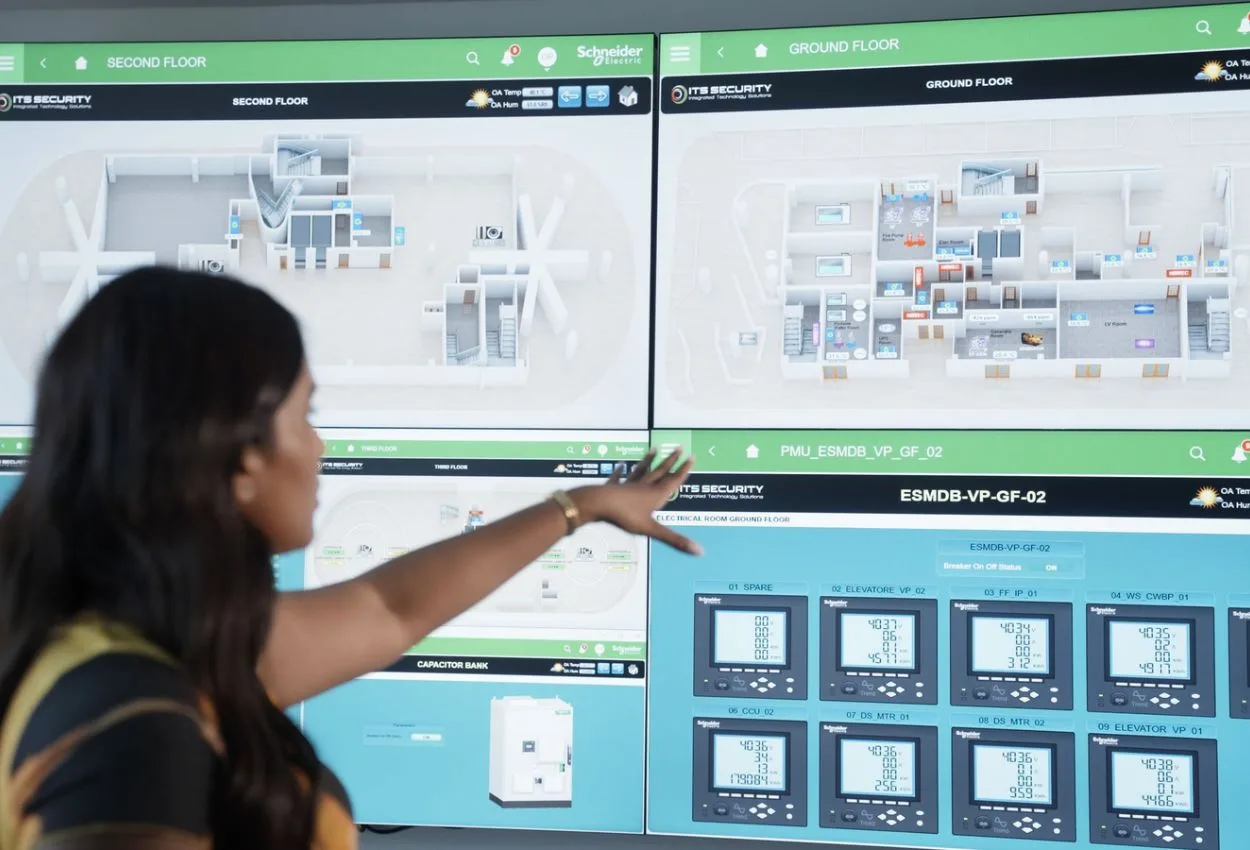
The installation covers digital low-voltage switchboards, a building management system, EcoStruxure Power Operation integrated across VDX and the Dubai Marina site, ION9000 power quality monitoring, connected power meters, capacitor banks, and Galaxy UPS protection for critical systems. Once fully operational, the setup is expected to deliver energy savings of up to 25 per cent across the facility.
“Charging electric aircraft creates some pretty significant and rapidly changing power demands. At the same time, the terminal and all of its critical systems need to stay fully operational. We chose Schneider Electric to provide us with power infrastructure that is resilient, responsive and intelligent. Most importantly, the scalable approach gives us something we can replicate across the wider Dubai network. As we continue to add more vertiports, it provides us with a baseline that we can confidently continue to roll out. Our collaboration with Skyports Infrastructure marks a significant step towards redefining the future of urban mobility,” said Amel Chadli, Gulf Cluster and Countries President at Schneider Electric,” Gareth Wilson, General Manager, Dubai, Skyports Infrastructure said in a statement.
That replicability is the point. The architecture is standardised: power and building system data feeds automatically into flight scheduling and charging systems, and the same blueprint can be deployed at every subsequent vertiport in the network.
The project sits within Dubai’s 2040 Urban Master Plan and its 20-Minute City policy. Journeys that currently take 45 minutes by road are expected to take around 12 minutes by air, which would place Dubai among the first cities to integrate electric air travel into routine urban transport.
Amel Chadli, Gulf Cluster and Countries President at Schneider Electric, described the partnership as “a significant step towards redefining the future of urban mobility,” adding that the energy architecture was built to operate from day one while scaling as the network grows.