
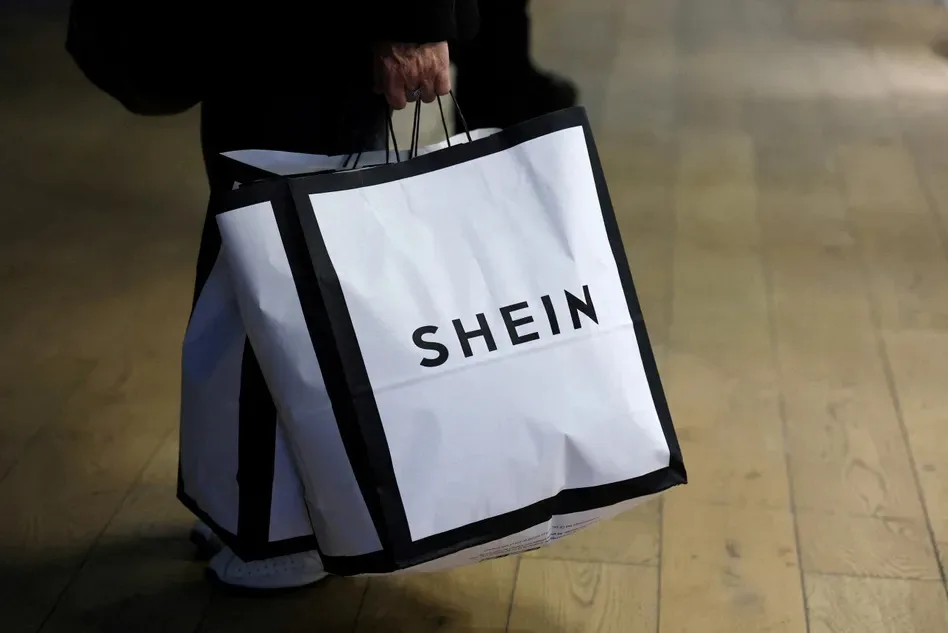
Shein has spent a decade proving how many people will buy a five-dollar dress. Its first day on the Hong Kong Stock Exchange suggested that shoppers and shareholders are buying very different things.
Shares fell as much as 10 per cent on debut, despite only 6.6 per cent of the company being floated. In a market that has delivered a string of successful listings this year, that level of scarcity is normally enough to flatter a stock.
The fact that it fell anyway is a warning sign. Josh Gilbert, Lead Analyst for the Middle East at eToro, noted that a heavily discounted valuation is not the same thing as a cheap stock, and the market said as much by pricing Shein below H&M, the incumbent it was supposed to be replacing.
The listing came in around 70 per cent below Shein’s 2022 peak valuation, a figure set at the height of the pandemic e-commerce boom. Since then, revenue growth has slowed from 21% to 8%, and first-quarter sales barely moved.
On forward earnings, Shein trades at more than 15 times, roughly double PDD, for a growth story that is still being rebuilt.
There is also a structural headwind that goes beyond Shein specifically. Daily active users in Europe have fallen around 45% since the EU scrapped its duty exemption on small parcels.
Temu has seen a similar drop. As Gilbert put it, this is less a Shein problem and more the end of an era for cheap cross-border shipping. A large share of Shein’s customer loyalty has always belonged to the price tag, and that price tag is getting harder to protect.
The path to growing into its valuation runs through the supply chain. Shein has been positioning its logistics and manufacturing network as a platform other brands can use, through marketplace arrangements and deals such as its tie-up with Everlane. With nearly $15 billion in cash, it has the resources to build that out. Investors have simply said they want to see it working before they commit.
The real test arrives when the lockup expires, and a far larger volume of stock becomes tradable. Between now and then, Shein needs to demonstrate there is an engine room behind the label that is worth paying for.