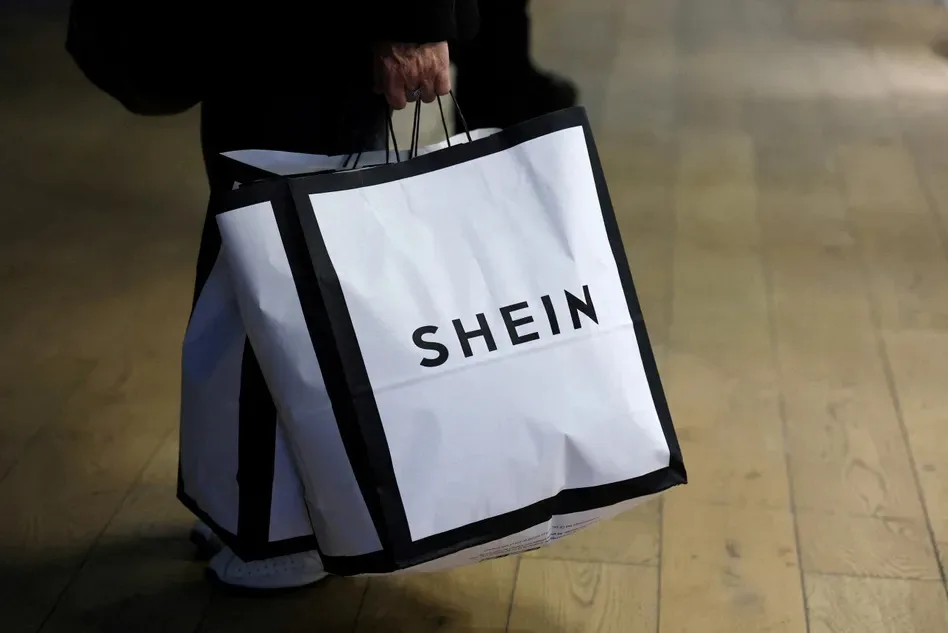
Shein has launched its long-awaited Hong Kong IPO at a valuation that represents a steep decline from its private-market highs, as the fast-fashion group attempts to close out a listing process that has stalled for years.
The company is offering 280 million shares at between HK$47.60 and HK$49.50 apiece, according to its prospectus, implying a market capitalisation of around $27 billion at the top of the range. That would raise up to HK$13.86 billion, equivalent to roughly $1.77 billion. At its peak in 2022, Shein was valued at $100 billion. As recently as 2023 and April 2024, that figure stood at $64 billion.
The Singapore-headquartered, China-founded retailer had initially hoped for a valuation of between $30 billion and $40 billion when it began investor meetings ahead of the listing. The final price is due to be announced on 31 August, with trading set to begin on 1 September.
Shein had previously explored listings in New York and London, both of which were shelved over the past four years. The company sells low-cost clothing to shoppers across roughly 160 countries.
The sharp compression in valuation reflects questions that have mounted around the business, including slowing growth, rising costs, and shifting market conditions.