The World Health Organization has recorded 906 suspected cases of Ebola in the Democratic Republic of Congo, with 223 deaths confirmed. The outbreak involves the Bundibugyo strain of the virus, and cases have also been reported across the border in Uganda.
The strain presents a particular challenge for response teams: most available Ebola vaccines were developed to counter the Zaire variant, the most common of the five disease-causing strains within the Ebola genus. No vaccine or treatment has been specifically approved for Bundibugyo, leaving field medical teams without the standard tools used in previous outbreaks.
The Bundibugyo strain was first identified in the Ugandan district of the same name in 2007. It tends to spread in border regions between Uganda and DRC, where cross-border population movement complicates containment efforts. Transmission occurs through direct contact with the bodily fluids of infected individuals or contact with contaminated surfaces.
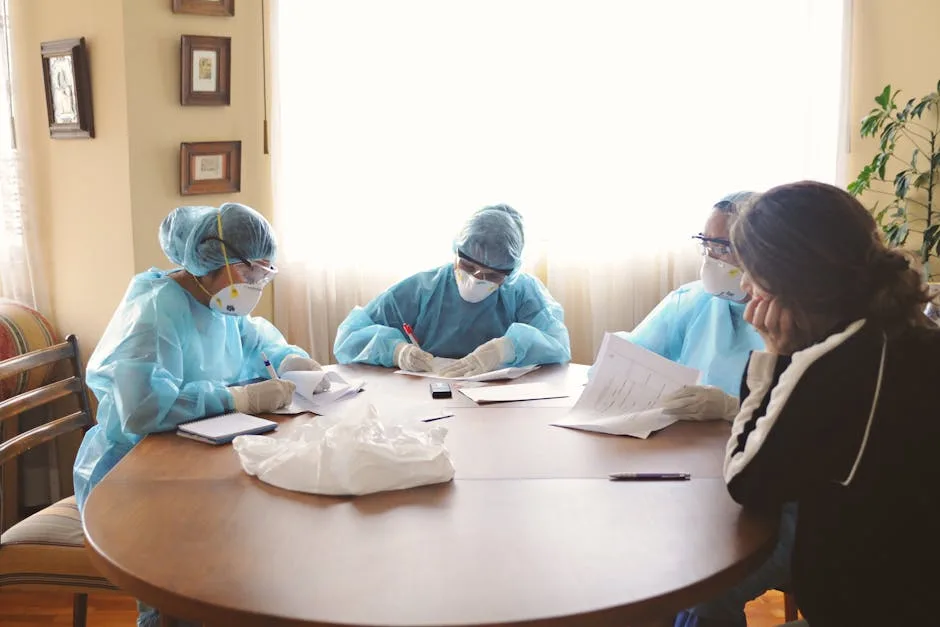
In the absence of a targeted vaccine, international organisations have fallen back on containment protocols: rigorous contact tracing, immediate isolation of confirmed cases, and safe burial procedures. Traditional funeral practices, which often involve direct contact with the deceased, are among the highest-risk transmission points in affected communities. Health teams have intensified community awareness campaigns aimed at changing those practices, including home care of the sick.