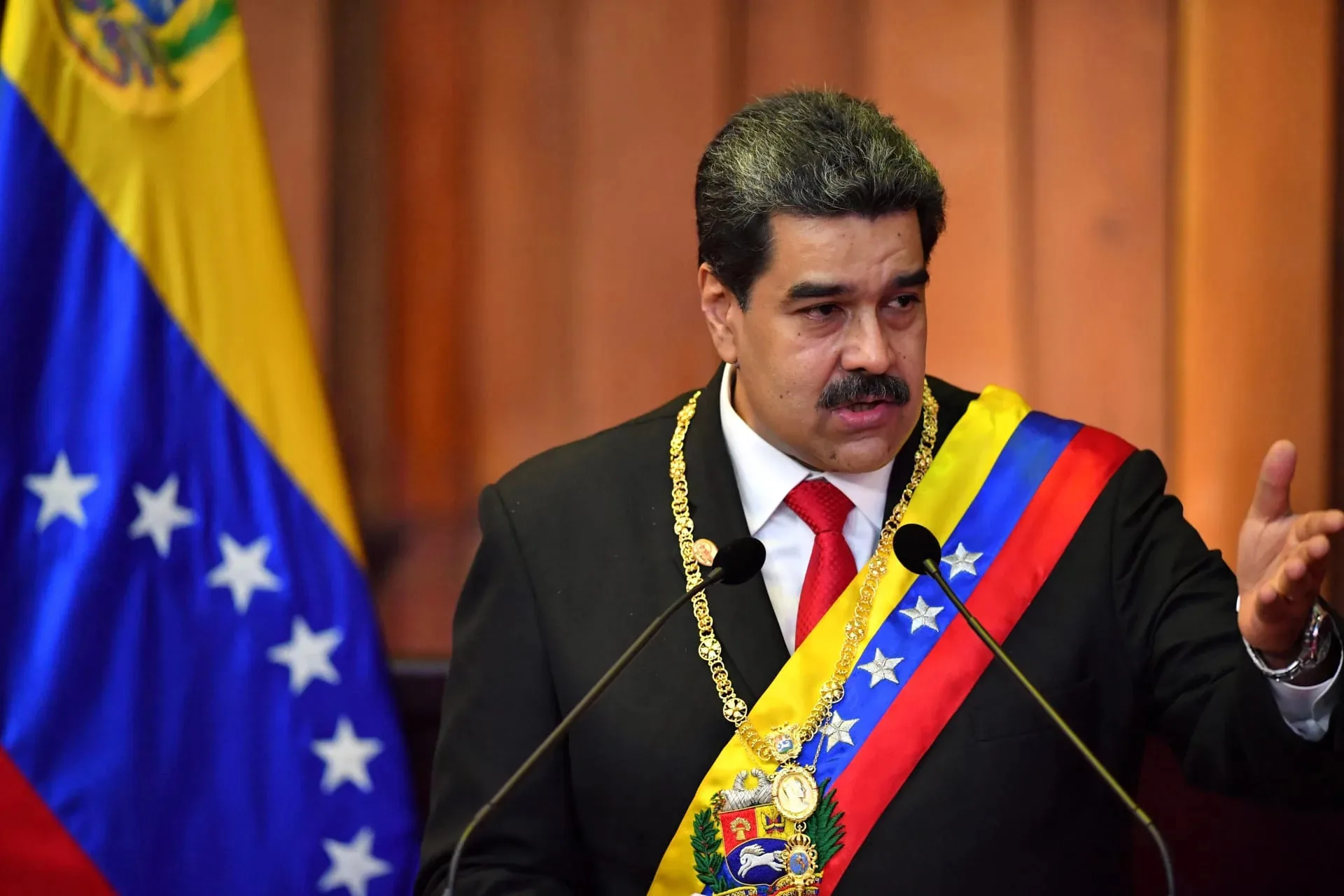
Nicolas Maduro is scheduled to stand trial on 1 June 2027 in a New York federal court, according to the source of this brief. The case, presided over by Judge Alvin Hellerstein, centres on charges that span more than 25 years and include cocaine trafficking and weapons smuggling.
Maduro’s legal team is expected to mount a defence built around claims of sovereign immunity and the sensitivity of classified materials. Legal analysts cited in the brief suggest that the discovery process could run long — whether by procedural necessity or as a deliberate strategy to delay proceedings or push toward a negotiated settlement.
The trial unfolds against a changed political backdrop in Caracas. According to the brief, Maduro was removed from power in a security operation in early January and replaced by Delcy Rodríguez, who has since sought to position Venezuela differently on the international stage through military reforms and diplomatic outreach. Washington reportedly lifted sanctions on Rodríguez in April, a move read as a signal of quiet political accommodation between the two governments.
That accommodation carries its own risks. Testimony emerging from the New York courtroom that implicates current Venezuelan officials could destabilise whatever working understanding exists between Caracas and Washington, and force Rodríguez to choose publicly between distancing herself from the Maduro era and absorbing the political fallout of continuity.
The broader stakes reach beyond the courtroom. Observers quoted in the brief describe the trial as a potential vehicle for dismantling the military and political networks that ran Venezuela for years — and as a test of whether criminal accountability can coexist with the kind of diplomatic pragmatism that has defined US-Venezuela relations in recent months.