
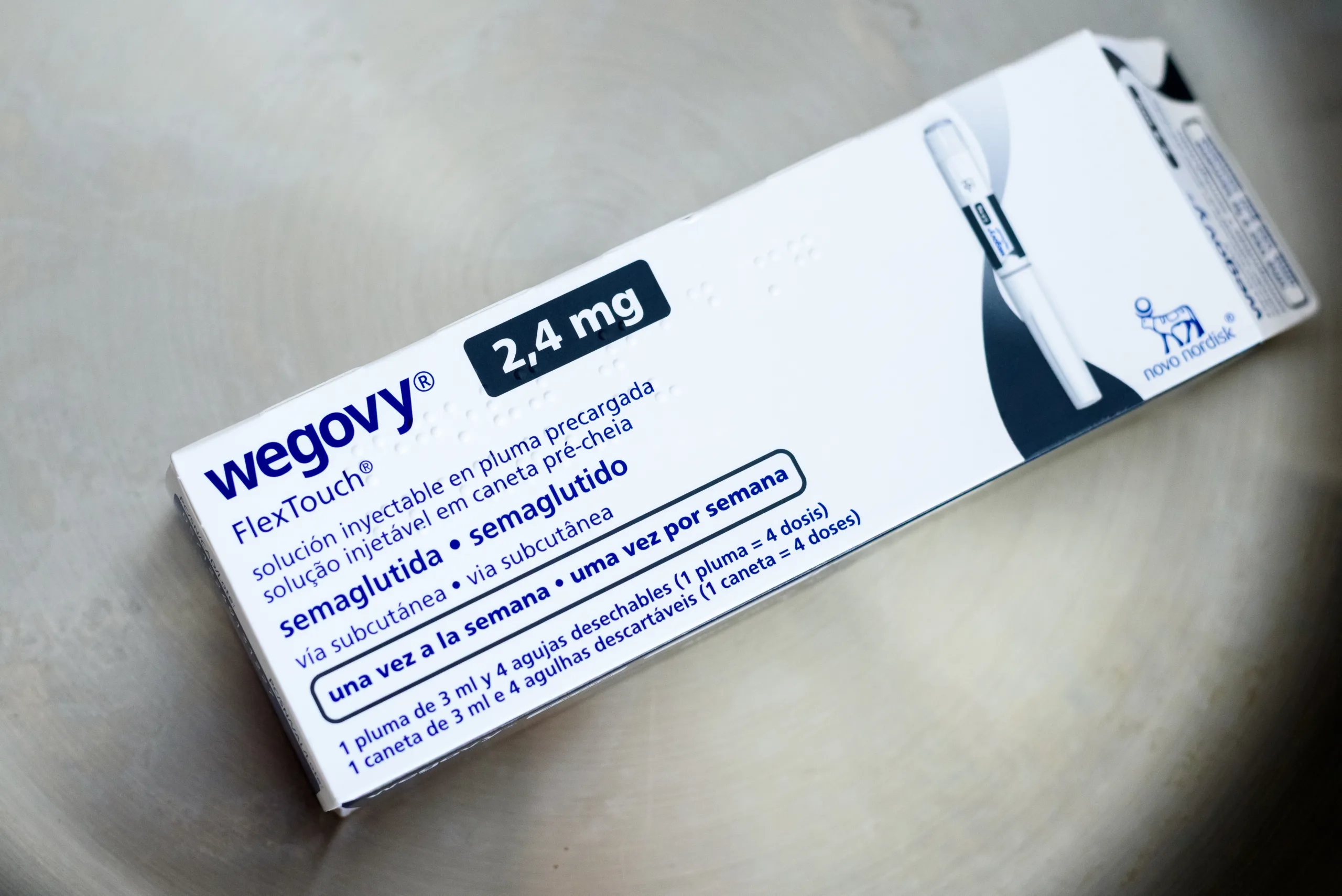
Novo Nordisk said new data showed Wegovy, semaglutide 2.4 mg and 7.2 mg, was associated with weight loss in women with obesity across reproductive life stages, from premenopause through perimenopause, menopause and postmenopause.
The menopause stages covered in the announcement are perimenopause, described as the transition phase, menopause and postmenopause, the period after menopause.
The findings are based on the STEP UP weight-management trial, the SELECT cardiovascular trial and a real-world evidence study. All were presented at the European Congress on Obesity 2026 in Istanbul, Turkey.
Wegovy shows weight-loss results for women across menopause stages
The company said the studies showed that women with obesity who lost weight with semaglutide improved body composition through reduced waist circumference, a marker of reduced visceral fat. The data also showed reductions in the risk of heart attacks and strokes, as well as improvements in quality of life, including migraine burden, depression and menopause symptoms.
Nearly one in five women worldwide are living with obesity, according to the information released by Novo Nordisk. The burden increases during the menopause years, when hormone changes can drive weight gain, shift fat to the abdomen and increase cardiometabolic risk.
During the menopause years, women’s risk of heart attack rises and reaches the same level as men’s cardiovascular risk. Cardiovascular disease remains the leading cause of death in women worldwide, claiming more lives than all cancers combined.
Novo Nordisk also said women’s cardiovascular symptoms are often dismissed or misdiagnosed, while women remain underrepresented in heart disease research.
“For women with obesity, hormonal changes during menopause can drive weight gain and increase the risk of a heart attack,” Mette Thomsen, group vice president and head of Global Medical Affairs at Novo Nordisk said in a statement.
“New clinical and real-world data presented at ECO demonstrate that effective weight management with semaglutide around menopause addresses medical complications of obesity, such as heart disease and metabolic dysfunction. But it can also help address daily burdens such as migraine, depression and menopause-related challenges. We are excited to share new insights that may benefit the many women living with obesity,” Thomsen added.