
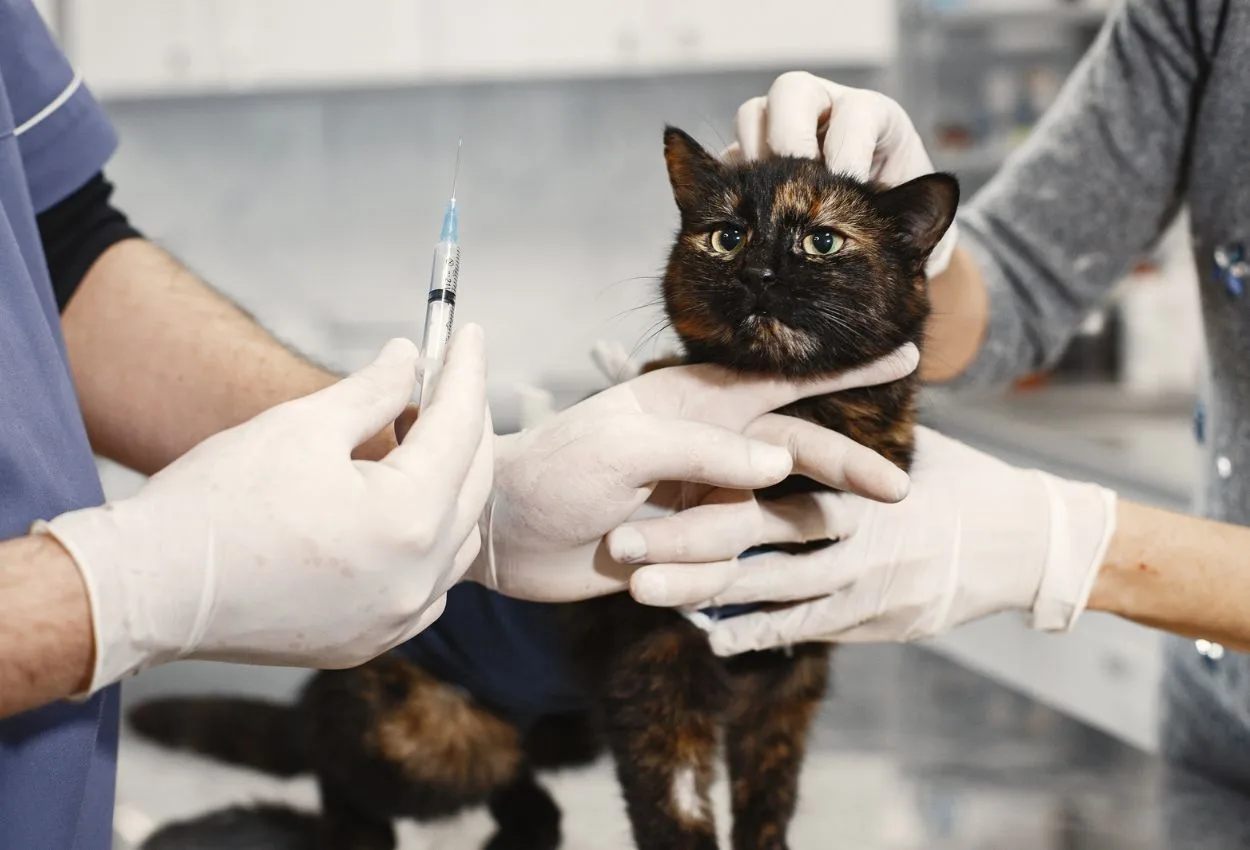
The Emirates Drug Establishment (EDE) will prohibit the use of ciprofloxacin in the UAE’s veterinary sector from November 1, 2026.
The fluoroquinolone antibiotic is classified internationally as a Critically Important Antimicrobial for human medicine, meaning its overuse or misuse in animals risks accelerating bacterial resistance and weakening its effectiveness in treating human infections.
The ban covers nine veterinary products in total – eight imported and one locally registered – as well as raw materials containing the substance.
Manufacturers, importers and distributors have been directed to stop supplying the products, withdraw existing stocks before the deadline, and either re-export or destroy remaining quantities according to approved procedures. Supporting documentation confirming completion of each step will be required.
The EDE says the decision followed a scientific assessment of antimicrobial resistance data, including research submitted by UAE University. That evidence base informed what the establishment describes as a risk-proportionate regulatory approach.
Dr Ruqaya Aqeel Al Bastaki, Acting Executive Director of the Medical Products Regulation Sector at the Emirates Drug Establishment, said regulating the use of antimicrobials requires an approach based on assessing the risks associated with each substance and how those risks affect treatment priorities across different sectors.
She explained that scientific evidence plays a key role in determining the appropriate level of regulatory intervention, allowing the establishment to take necessary measures when findings point to risks that require action, taking into account the nature of each substance and its uses.
A compliance monitoring plan is being prepared to verify that affected establishments complete the required steps within the specified timeframe.