Live
US-Israel-Iran conflict: Peace talks collapse; Qatar announces full return of maritime navigation; Latest updates
Follow live updates below

Follow live updates below
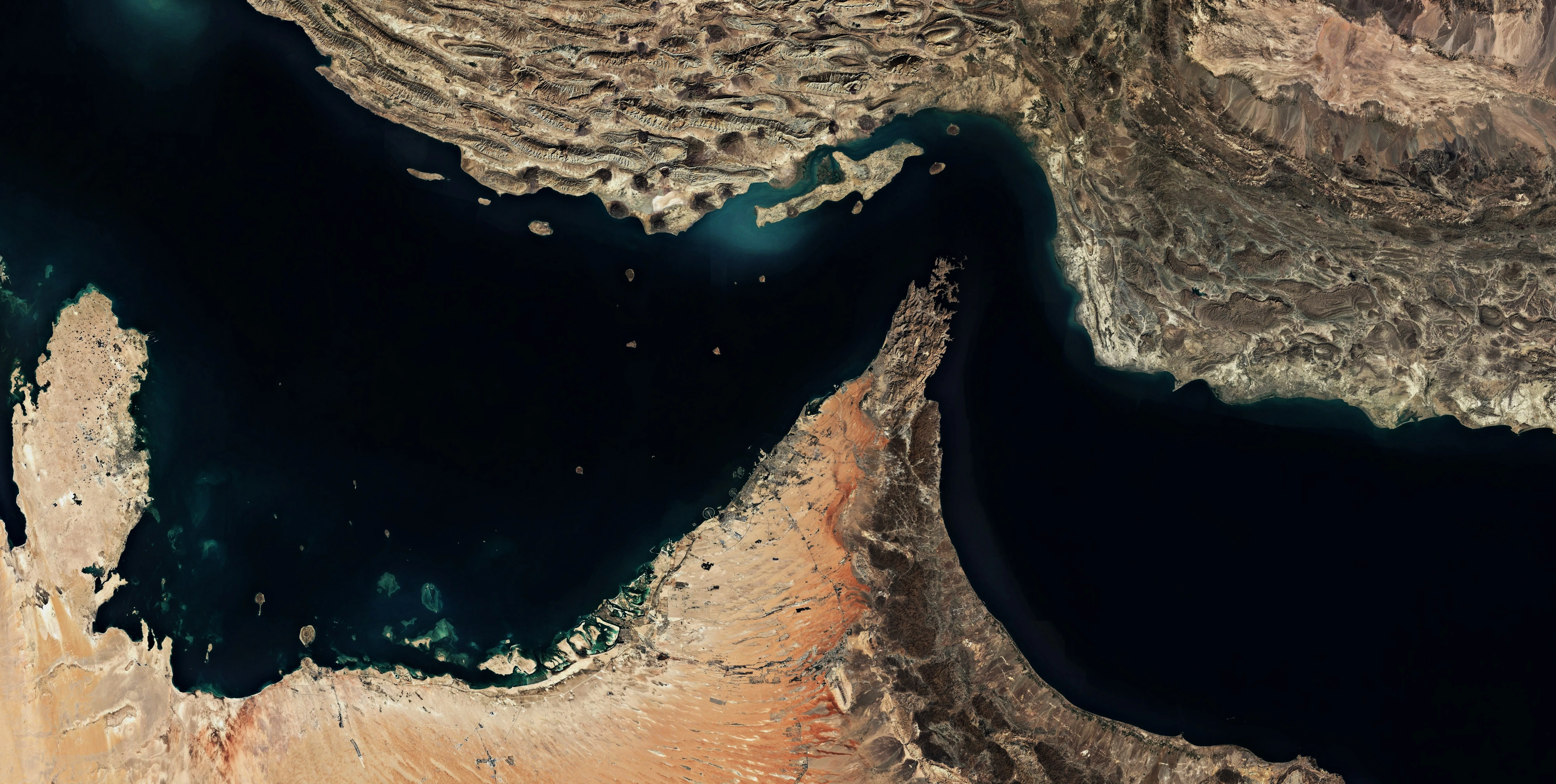
US Central Command announced that two Navy guided-missile destroyers, USS Frank E. Peterson and USS Michael Murphy, transited the Strait of Hormuz on April 11 and began operations to clear sea mines laid by Iran’s Revolutionary Guards.
CENTCOM commander Admiral Brad Cooper said the US is “establishing a new passage” and will share the safe route with the maritime industry to restore commerce.
Additional forces, including underwater drones, will join the clearance effort in the coming days.
Iran’s Foreign Ministry spokesman Esmail Baqaei confirmed that negotiations with the United States ended without an agreement after nearly 25 hours of talks in Islamabad, describing them as the longest round of discussions over the past year.
He said the two sides reached consensus on some issues but disagreed on two to three important matters, including the Strait of Hormuz and Iran’s nuclear program.
Baqaei said the talks took place in an atmosphere of distrust following 40 days of war and that consensus was not expected.
An earlier source told Iranian media that Washington had raised what Tehran considered excessive demands on Hormuz and the nuclear file.
Iran had previously stressed that its delegation’s presence in Pakistan demonstrated willingness to negotiate, though its armed forces’ “fingers would remain on the trigger.”
Baqaei maintained that diplomacy remains a tool to preserve national interests, adding that “diplomacy, alongside those defending the homeland, stands ready for all kinds of sacrifices.”
Prime Minister Benjamin Netanyahu said Israel will continue to fight Iran and its proxies under his leadership, while accusing Turkish President Erdogan of accommodating Iran’s regime and of having “massacred his own Kurdish citizens.”
Qatar’s Ministry of Transport announced the full resumption of maritime navigation for all types of vessels from 6:00 a.m. to 6:00 p.m., effective Sunday, April 12, 2026. Licensed fishing vessels are permitted to operate throughout the day.
Negotiations between the United States and Iran broke down on Sunday after more than 21 hours of talks in Pakistan failed to produce an agreement, raising uncertainty over the future of the two-week ceasefire.
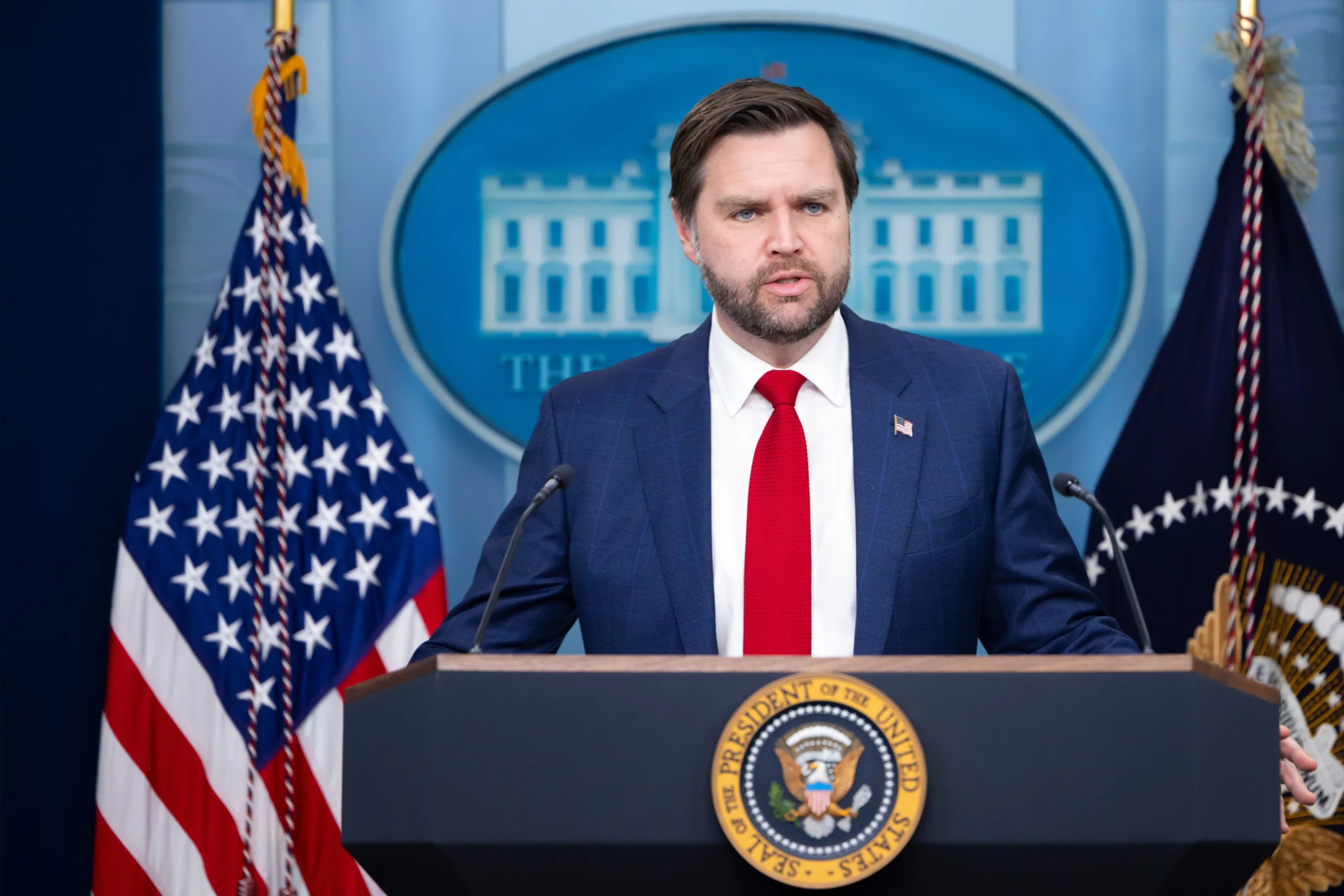
Vice President JD Vance confirmed Iran rejected Washington’s terms, calling the proposal “our final and best offer” while leaving the door open for Tehran to reconsider.
The talks, described as the highest-level direct encounter between US and Iranian officials since 1979, covered the Strait of Hormuz, Iran’s nuclear stockpiles, war reparations, and sanctions relief. Iran said progress depended on US acceptance of what it called Iran’s legitimate rights and interests.
The breakdown leaves the fate of the ceasefire unresolved, with Israel continuing strikes in Lebanon and Prime Minister Netanyahu stating the war is “not over.”
Despite the failure, the talks marked a historic milestone, with Iran’s parliamentary speaker meeting directly with an American vice president just six weeks after US and Israeli strikes killed Iran’s supreme leader.
President Trump, attending UFC 327 in Miami as talks collapsed, said “We win, regardless. We’ve defeated them militarily.”
Day 26 – US-Israel conflict on Iran enters Day 26: Trump says war is ‘won’, in talks with ‘right people’, Kuwait airport hit, latest updates
Day 6 – US-Israel conflict on Iran: Fresh strikes on Tehran, UAE flight status, latest updates
Day 5 – US‑Israel conflict on Iran: UAE affirms right to self‑defence, latest updates
Day 4 – US-Israel strikes on Iran: Latest updates – everything you need to know
Day 2 – Israel-US strikes Iran: Latest updates
Day 1 – Israel launches ‘pre-emptive attack’ on Iran as explosions hit central Tehran
Subscribe to our free newsletter