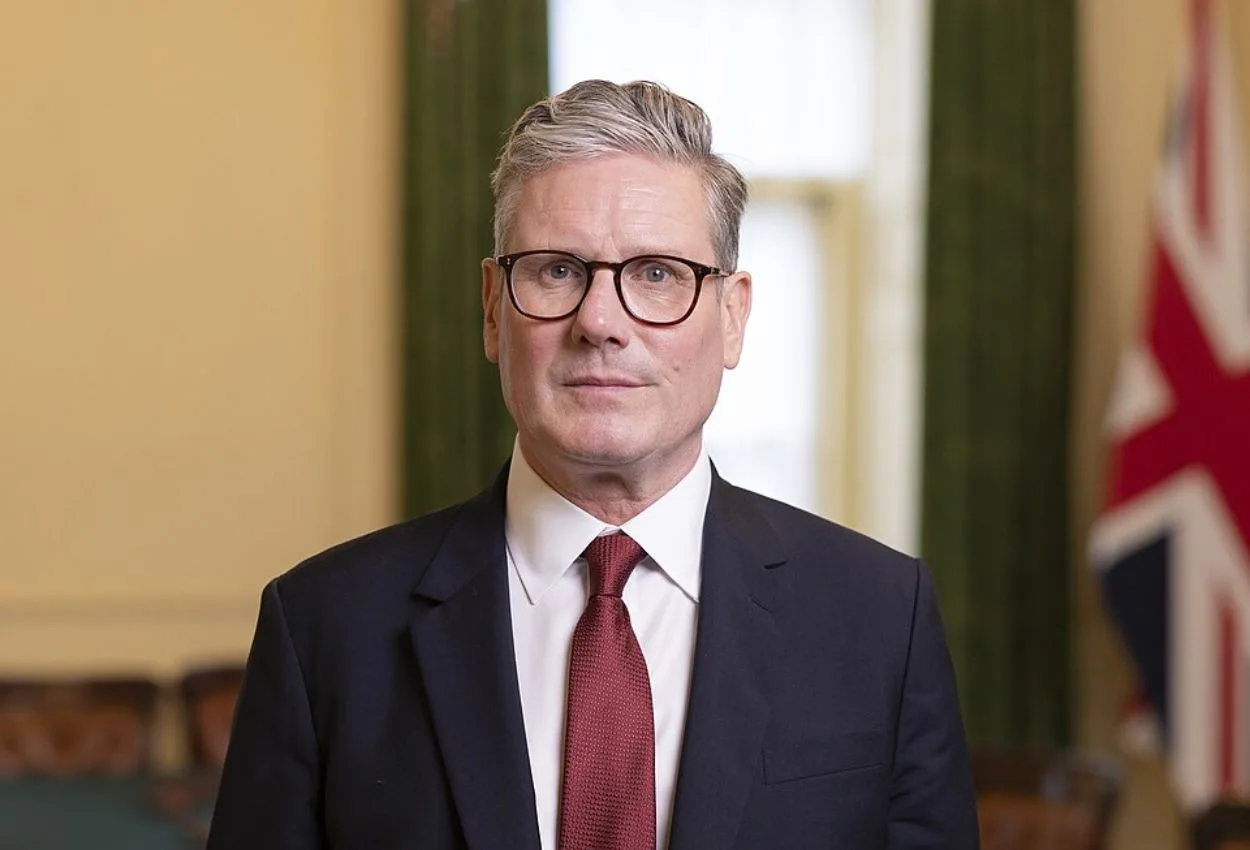
Keir Starmer is expected to announce his departure as British prime minister on Monday, bowing to overwhelming pressure from Labour MPs who want Andy Burnham to lead the party and the country.
Speaking on the BBC’s Sunday with Laura Kuenssberg programme, business secretary Peter Kyle stopped short of confirming the decision but made clear Starmer was no longer operating in a world of his own choosing. “I don’t want to come on here and be delusional that there is no process, there are no forces at work which are challenging the prime minister as leader – that is clearly the case,” he said.
Kyle said he had spoken at length with Starmer on Friday and found him focused on what was best for the country rather than his own position. He declined to share the advice he had given, but framed the coming days as a test of whether Labour could manage a transition without tearing itself apart. “We need to find a way to get through this that puts the country first,” he said, adding a pointed warning: Labour should not assume that changing the leader at the top would automatically fix its deeper problems, a lesson he said the Conservatives had failed to learn.
The pressure on Starmer sharpened considerably after Thursday’s Makerfield by-election, in which Burnham, the Greater Manchester mayor, won a majority of more than 9,000 votes and took over 50 per cent of the ballot, returning him to Westminster and opening the way for a formal leadership challenge. Burnham’s team believed they had the backing of around 200 Labour MPs following that result, roughly half the parliamentary party, and that number has since grown. His allies are increasingly confident of a coronation – a handover without a full contest.
On Friday, ministers previously loyal to Starmer told him he had until the end of the weekend to set out a timetable for departure, or face a forced exit at Tuesday’s cabinet meeting. Downing Street, meanwhile, continued pointing to Starmer’s own comments from Friday, in which he vowed to fight any challenge.
Wes Streeting, who resigned as health secretary last month, has pledged to seek the leadership and claims sufficient support to meet the threshold of 81 MPs required under Labour rules. But his path narrows if wavering backbenchers conclude that Burnham is the more certain winner.
If Starmer does step down, he will be the UK’s seventh prime minister in a decade. He came to power just two years ago with a majority of 174 seats. His tenure was marked by a series of controversies and U-turns, and Reform UK has led national polls for more than 300 consecutive surveys, feeding Labour fears that without a change of leader, Nigel Farage will win the next general election.