Andy Burnham will enter Downing Street on Monday as Britain’s next prime minister, completing a rapid ascent that began with a by-election victory less than two months ago.
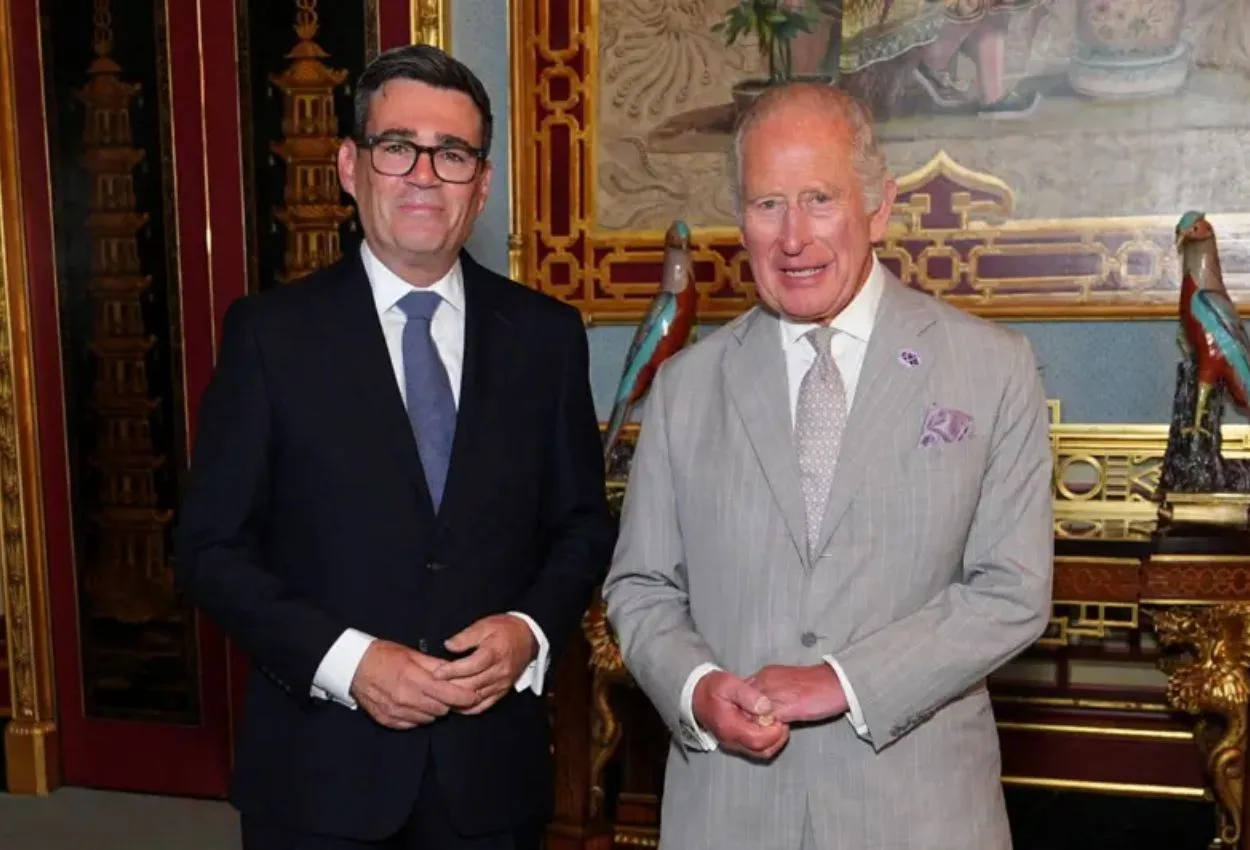
Sir Keir Starmer will first travel to Buckingham Palace to formally offer his resignation to King Charles. Burnham will follow shortly after, where the King will invite him to form a government. A speech outside Number 10 and a cabinet reshuffle are both expected the same day.
The sequence of events has moved faster than most anticipated. Labour MPs were given a week to submit nominations, from 9 to 16 July. Burnham collected 379 of 403 nominations, or 94 per cent, making it mathematically impossible for any rival to reach the 20 per cent threshold required to stand against him. No challenger came forward.
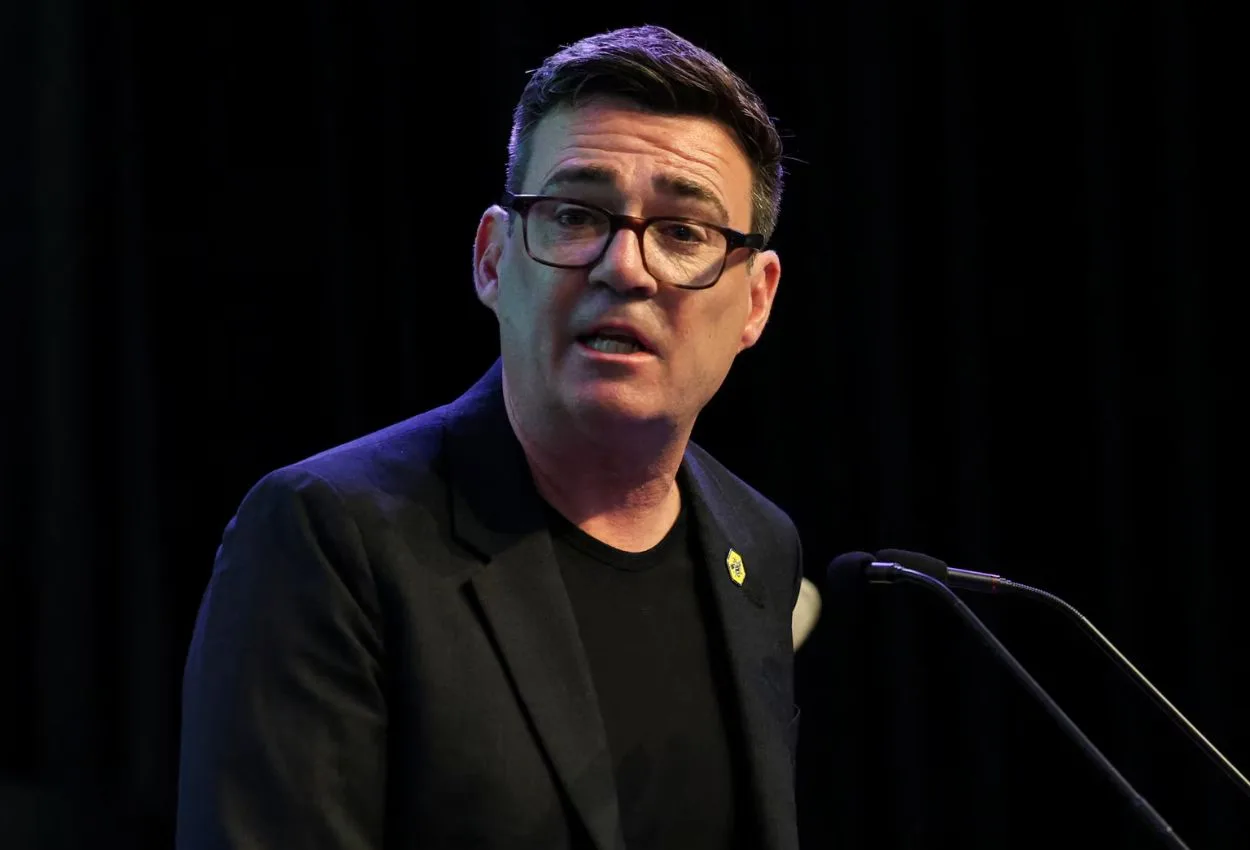
Burnham was confirmed as Labour leader at a special conference on Friday 17 July. Speaking at the event, he said his government would have “the courage to fix the big things that politics has neglected” and “the conviction to argue for our plans.”
He described a Labour Party united and ready to serve “people and places who have been waiting too long for politics to let them hope again.”
The chain of events leading here began on May 7, when Labour suffered heavy losses in local elections across England, losing control of 38 councils to Reform UK and the Greens. Four junior ministers resigned that night, followed by former health secretary Wes Streeting. Starmer announced his intention to resign on 22 June, citing a loss of confidence among his MPs.
Burnham’s path to Westminster required a separate step first. Josh Simons vacated his Makerfield seat on May 14 specifically to create an opening. Burnham won the resulting by-election on 18 June with a majority of over 9,000, ending his tenure as Mayor of Greater Manchester and returning to the House of Commons for the first time in years.