When Andreas L. Borgmann launched Kcal in 2010, the idea was not to build a health and wellness business spanning meal plans, catering, performance nutrition, supplementation and blood testing.
It was to solve a problem he had himself.
“I wanted somewhere I could eat food I genuinely enjoyed and know exactly what was on my plate nutritionally,” Borgmann, the company’s co-founder & CEO told Lana in an exclusive interview.
That need became the basis for Kcal, which was built around making healthy eating easier while giving customers information about what they were consuming.
“From there, we built Kcal around a simple idea: make healthy eating easy, tasty and transparent. We wanted people to be able to eat well without feeling like they were compromising on the food itself. Sixteen years later, that principle hasn’t really changed,” Borgmann said.
Kcal: Where it all began
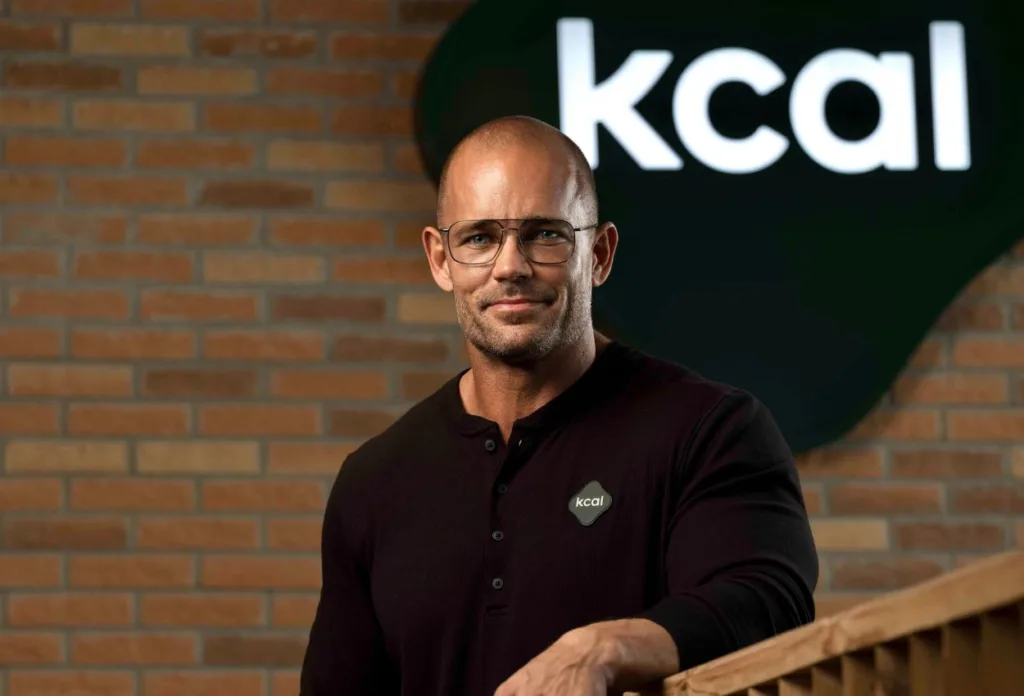
The early years were shaped by circumstance as much as ambition. Neither Borgmann nor co-founder Mark Carroll came from an F&B background, and they launched Kcal during the global financial crisis. That meant learning quickly and staying close to the business.
“We were involved in everything, from deliveries and customer service to operations and whatever else needed doing. We reinvested into the business as we grew and learned a lot by being close to the day-to-day,” Borgmann said, adding the early years taught them how they need to understand the detail of the businesses they are building.
It also shaped how he thinks about what makes a company last. When he looks back over Kcal’s first 16 years, Borgmann does not point first to products, outlets or expansion. He points to people.
“An idea can come from one person, but a business is built by a team. When I look back over 16 years, I think about all the people who have contributed to what Kcal is today,” he said, adding that the history of the company is made up of “thousands of small interactions” — how people are treated, how problems are handled, how a business listens and how trust is built.
“That’s what stays with me,” he said.
From restaurants to meal plans
Kcal actually began with restaurants, not meal plans.
Meal plans came later, followed by catering and performance nutrition. The company is now widening its focus again, into hydration, supplementation and preventative health.
“The scope of what we do” is what has changed most, Borgmann said. However, the logic behind the expansion has remained consistent, he added. “Today, we’re looking much more broadly at health, including hydration, supplementation and preventative health. But the principle underneath it hasn’t changed. We’re still trying to make it easier for people to eat well and look after themselves.,” he said.
However, there was no single point at which Kcal decided to become more than a food business. Instead, Borgmann describes its development as a series of responses to problems.
“We would solve one problem, learn something from it and then see another area where we thought we could do something better. Over time, our thinking about health became much broader than food alone,” he said.
Over time, that changed the company’s view of health.
A customer base that has changed with the market
Moreover, Kcal’s customers have also changed alongside the business. Its core Meal Plans customer is primarily aged between 30 and 55, but the company also has a customer group aged 55 to 70 and above, including people using plans designed around specific health needs.
At the other end of the spectrum are younger customers focused on fitness, performance and body composition. Borgmann says the expansion of Kcal’s plans has made the business relevant to people at different stages of life.
“As we’ve expanded the range of plans we offer, we’ve naturally become relevant to people at different stages of life. Someone training several times a week has very different needs from someone managing their nutrition around a health condition, but both want good food and a system that makes consistency easier,” he said.
The questions customers ask have also changed. When Kcal started, much of the conversation around healthy eating centred on calories, weight loss and macronutrients.
Today, Borgmann says customers are asking more about ingredients, protein, performance, hydration, supplementation and longevity. “People ask much better questions now,” he said.
“People don’t just want to be told something is healthy. They want to know what’s in it, why it’s there and what it actually does.” That shift has also changed what customers expect from companies in the sector.
Transparency and convenience now sit side by side. Customers want food and health services to fit into their daily lives, but they also want access to information about ingredients, macros and what they are paying for.
“They research. They compare,” Borgmann said. “That pushes us to keep getting better because it’s no longer enough to simply tell someone that something is healthy. You have to show them what they’re getting and make it easy for them to stay consistent.”
Moving into longevity
Kcal’s move into longevity is part of that broader shift.
Borgmann says health and longevity have been personal interests for him for years and that the company has not moved into the space simply because it has become a larger part of the health conversation.
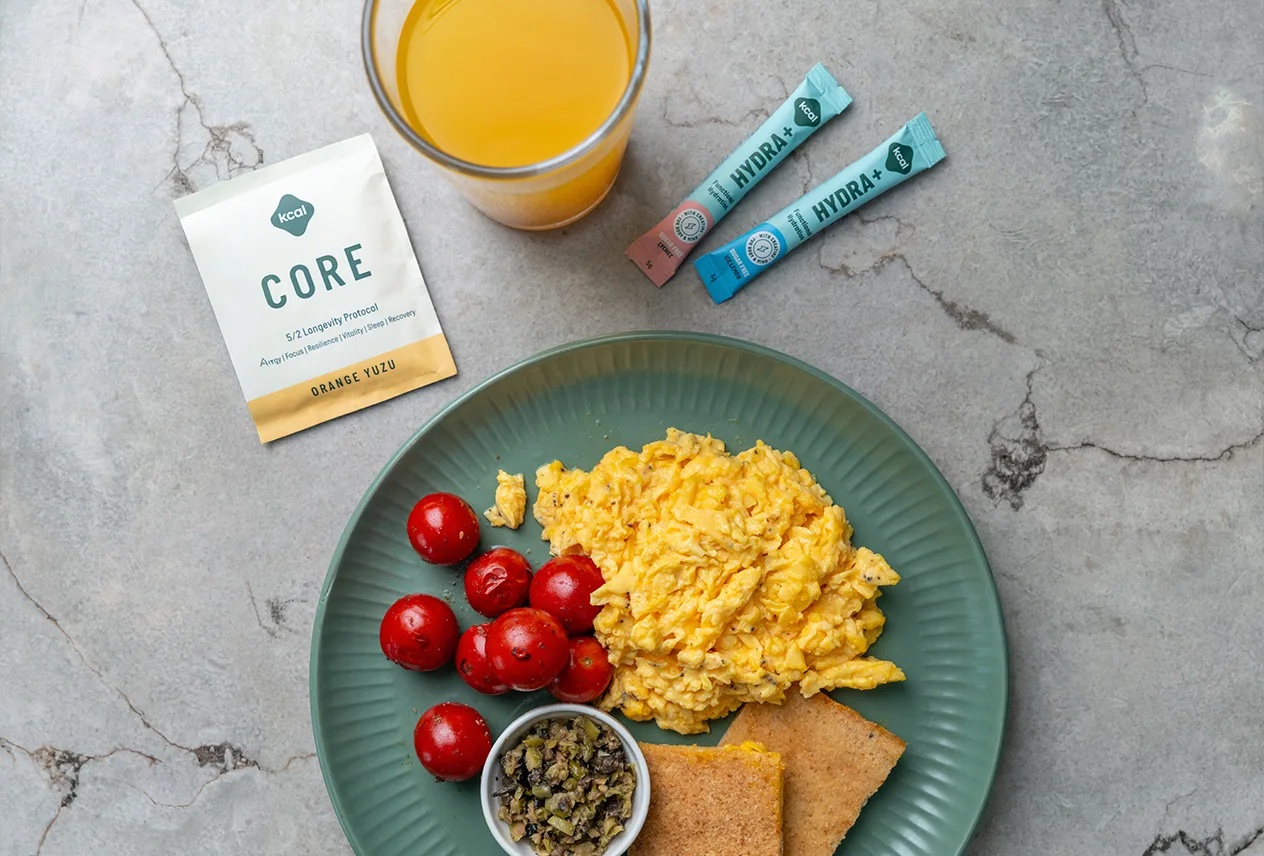
“What’s changed is our ability to bring the different pieces together properly. With the Longevity Programme, we’re combining nutrition, hydration and supplementation with before-and-after biomarker testing. It means we’re not just talking about what should be happening. We can actually measure it,” he said.
Kcal’s Longevity Programme runs for 12 weeks and combines nutrition, hydration and supplementation with biomarker testing. Participants undergo a 26-marker blood panel at the start and another at the end.
For Borgmann, the testing is central to the programme. “We can all say something is good for you. I’d rather look at the data,” he said.
The blood testing provides a baseline at the beginning of the programme and something to compare against after 12 weeks.
“There are a lot of claims in health and wellness,” Borgmann said. “I think if we’re asking people to make decisions about their health, we should be interested in what’s actually happening rather than just what we assume is happening,” he said.
For him, the principle is straightforward. “Measurement is much more useful than assumption.”
Building through mistakes
Borgmann’s approach to entrepreneurship follows a similar line. After 16 years, he says one of the main lessons has been to keep learning and to surround himself with people willing to challenge him.
He does not define failure simply as getting something wrong.
“If something goes wrong and you learn nothing from it, then you’ve failed. If you understand why it happened and come back better, that’s part of building something,” he said, adding the second lesson is about people.
“I’ve also learned that you don’t build a business alone. You need good people around you, and you need to be willing to listen when they tell you you’re wrong,” he explained.
Kcal did not launch in 2010 with a roadmap for restaurants, meal plans, catering, performance nutrition, supplementation or longevity. The original idea, he said, has not gone away. “The picture around it has just become much bigger.”
What comes next
Borgmann says he does not think about Kcal’s next chapter in terms of a number. The aim, he says, is to create time for people.
Convenience is part of that, but the wider goal is to make it easier for customers to build habits and manage their health without having to think about it throughout the day.
“FFood started that for us, but it doesn’t end there. We’re still building,” he said. “We’re still building.”
After 16 years, Borgmann says the company does not see itself as finished. It has made decisions that worked, made mistakes, learned and changed.
“We’ve got things right, we’ve got things wrong, we’ve learned and we’ve changed. I’m incredibly grateful to the people who’ve been part of that, our team, our customers and our partners. Personally, I’m much more interested in what we can build next than looking backwards. There’s still a lot we want to do,” he concluded.