Iran has told the United States it will not hold direct talks with American envoys visiting the region, casting doubt over whether the fragile ceasefire between the two countries can be converted into a lasting peace.
Jared Kushner and special envoy Steve Witkoff travelled to Doha for what the White House described as “high-level” talks. But Iran and Qatar both said the Americans would meet with mediators rather than Iranian officials. Qatar’s Prime Minister, Sheikh Mohammed bin Abdulrahman Al Thani, was among those who sat with the two envoys. Iranian foreign ministry spokesman Ismail Baghaei said no meeting with any American official at any level had been scheduled for the coming days.
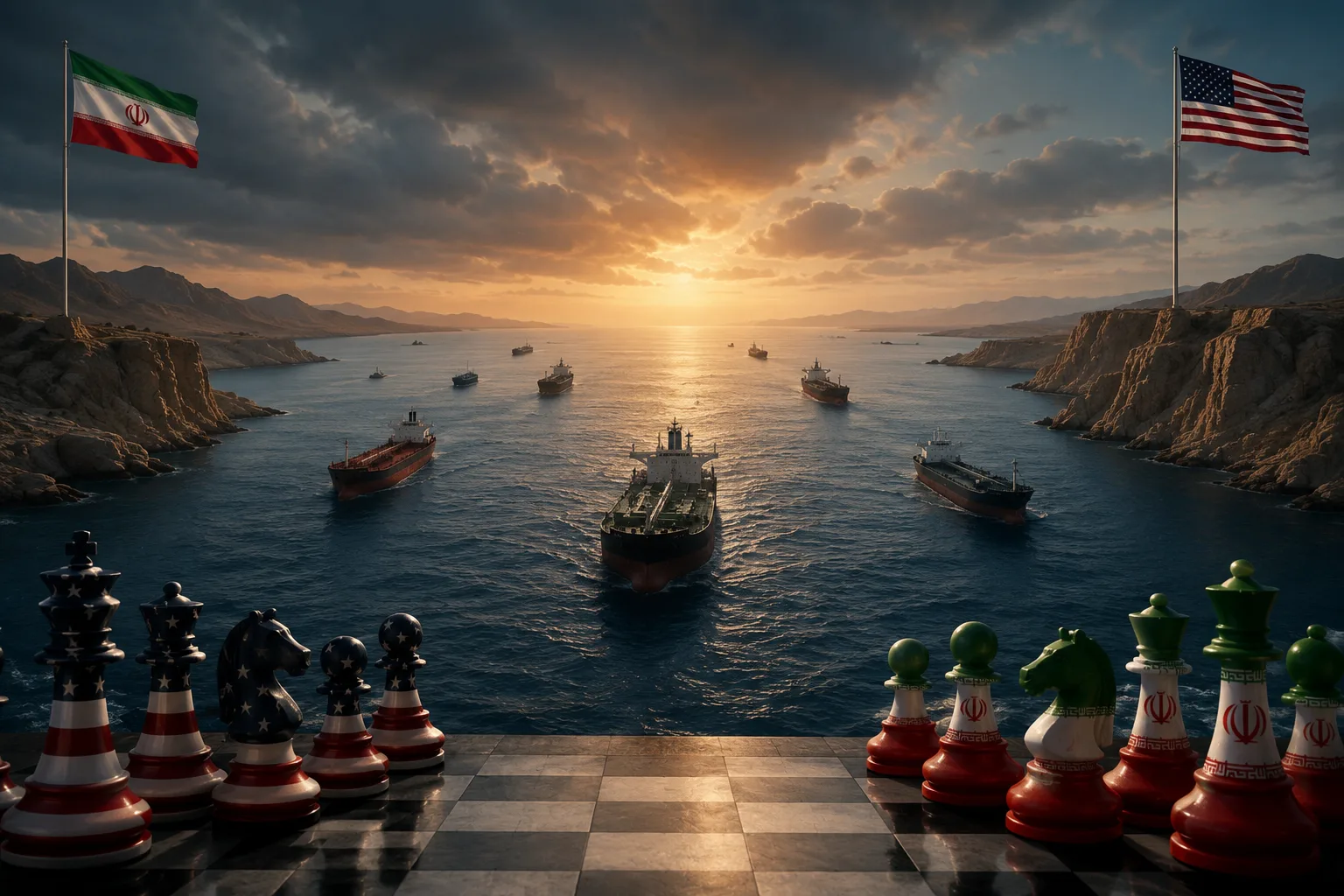
Iranian officials have also said the two sides must first fulfil the terms of the ceasefire signed two weeks ago before addressing more complex issues, including potential restrictions on the country’s nuclear programme. That ceasefire framework calls on Iran to lift its blockade of the Strait of Hormuz in exchange for financial incentives, and sets out a 60-day negotiating window for a permanent peace agreement.
The standoff over Hormuz is already sharpening. Iran’s chief negotiator Mohammad Baqer Qalibaf told state television that sovereignty over the strait belongs to Iran and Oman, and that Tehran will determine traffic arrangements there. Iranian officials have said they intend to impose transit fees in mid-August when the 60-day period expires. US Vice President JD Vance pushed back in a television interview recorded Monday and broadcast Tuesday, saying Iran would not be permitted to charge ships passing through the international waterway. Vance added that oil prices have fallen since that exchange at the weekend, though he gave no figures.
The Wall Street Journal, citing people familiar with the matter, reported that President Trump has discussed the possibility of returning to full-scale military action with Defence Secretary Pete Hegseth and Joint Chiefs Chairman General Dan Cain, as a way of breaking the current deadlock. The paper added that Trump has decided for now to give diplomacy more time. Reuters said it could not independently confirm the report. Trump has previously threatened further strikes against Iran.
Shipping through the strait resumed partially after the US bombed Iranian military facilities in response to drone attacks on commercial vessels, and Iran struck US military sites in Kuwait and Bahrain. Despite ongoing uncertainty, oil prices have fallen since that exchange at the weekend.
The UN trade and development agency said on Tuesday that weaker economies remain exposed to elevated food and fuel costs even as energy markets stabilise. The war has contributed to rising global inflation and increased political pressure on Trump ahead of November’s midterm elections. Both Trump and Treasury Secretary Scott Bessent have urged petrol retailers to cut prices.
The interim agreement also covers the conflict between Israel and Iran-backed Hezbollah in Lebanon. Lebanese parliament speaker Nabih Berri, an ally of Hezbollah, has cast doubt over a separate US-brokered framework for that war, and analysts have warned the deal risks entrenching a stalemate by tying an Israeli withdrawal from southern Lebanon to Hezbollah disarmament.