
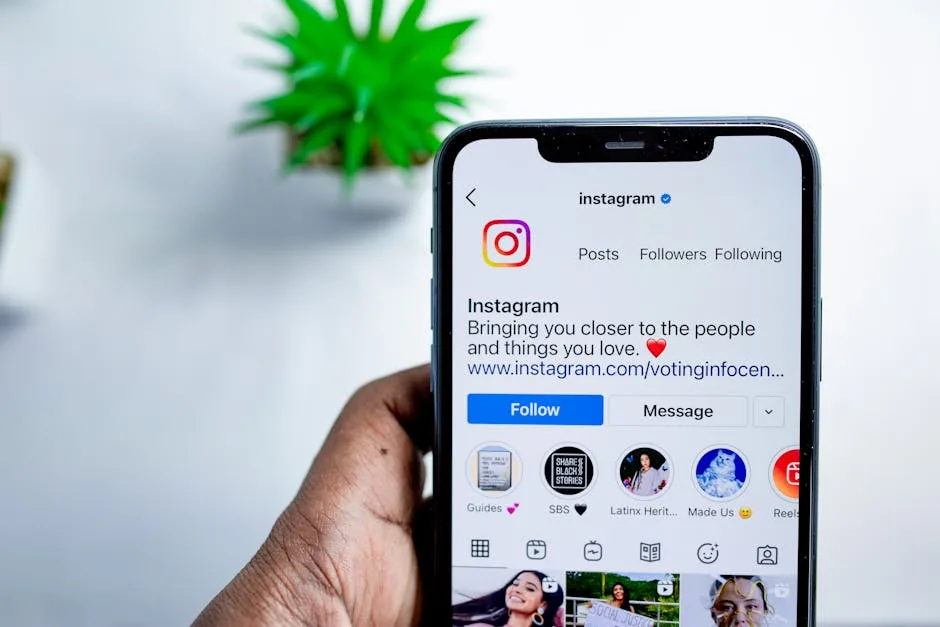
Instagram users can no longer send end-to-end encrypted direct messages. Meta removed the feature globally on 8 May 2026, walking back a commitment the company first made in 2019 when CEO Mark Zuckerberg declared “the future is private.”
End-to-end encryption, or E2EE, restricts access to messages so that only the sender and recipient can read them. Without it, Instagram reverts to standard encryption, meaning the platform itself can access the content of direct messages, including images, videos and voice notes – as can internet service providers if required.
Meta completed an E2EE rollout on Facebook Messenger in 2023, then introduced it as an optional feature on Instagram, with plans to make it the default. Those plans have now been dropped. The company did not make a formal announcement.
Instead, it quietly updated Instagram’s terms and conditions in March, noting that E2EE messaging “will no longer be supported after 8 May 2026” and advising users to download any content they wished to keep.
When asked, Meta told reporters the decision was made because too few users had opted in to the feature.
The move has divided observers. According to a report by the BBC, Child protection groups including the NSPCC welcomed it, having long argued that E2EE allows harmful content to circulate beyond the reach of authorities. Privacy advocates took the opposite view, arguing the rollback weakens user protections.
Instagram has previously stated that direct message content is not used to train its AI models.
The shift places Instagram alongside TikTok, which told the BBC in March it had no plans to introduce E2EE for direct messages. E2EE remains the default on WhatsApp, Signal, Facebook Messenger, Apple’s iMessage and Google Messages.