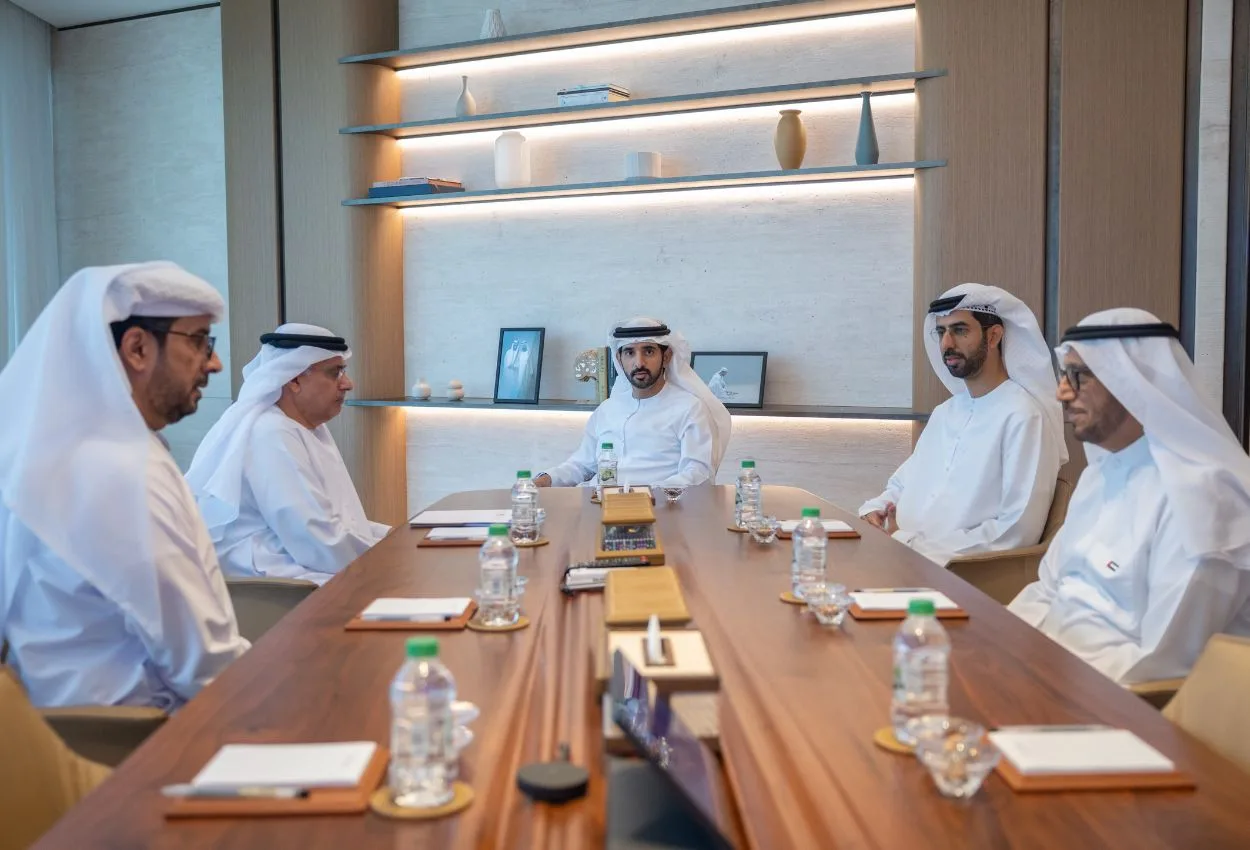

Sheikh Mohammed bin Rashid Al Maktoum, Vice President and Prime Minister of the UAE and Ruler of Dubai, approved the formation of the Board of Trustees for the Mohammed Bin Rashid Endowment District.
Mattar Al Tayer will chair the board, which includes nine other members: Saeed Al Eter, Mirwais Azizi, Marwan bin Ghalita, Mohammed Saeed Al Shehhi, Rashid Ali Al Falasi, Masood Mohamed Sharif, Dr Mahdi Fardan Al Fardan, Farhad Mirwais Azizi and Dr Shaista Mirwais Azizi.
The Mohammed Bin Rashid Endowment District represents the first endowment district in the region. The project forms part of the investments by Mohammed bin Rashid Al Maktoum Global Initiatives (MBRGI), with support from Azizi Developments.
Dubai Ruler forms board for 2 million square foot Mohammed Bin Rashid Endowment District
The development integrates housing, commercial facilities, healthcare and education in a single destination, reflecting a vision that combines multiple functions, the Dubai Media Office said in a statement.
The Endowment District spans 2 million square feet. Total investments amount to AED4.7 billion, of which AED330 million has been contributed by a group of investors.
Returns generated from the district’s residential, healthcare and education facilities will be allocated to supporting education and healthcare programmes worldwide. This financial model aims to ensure the sustainability of philanthropic efforts.
The project establishes a framework where commercial activities fund humanitarian initiatives, creating a self-sustaining system for charitable work.