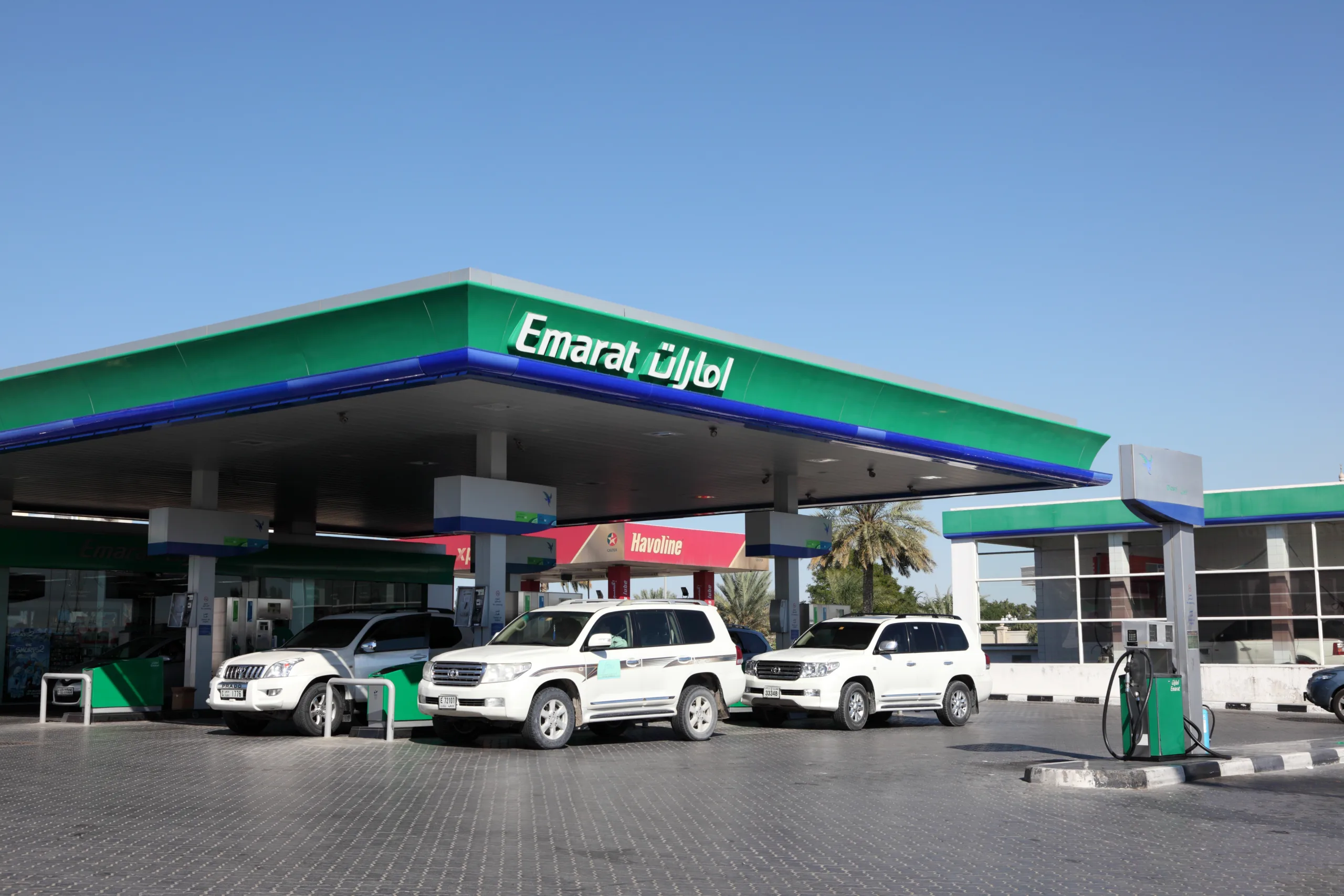
The United Arab Emirates has withdrawn from the Organisation of the Petroleum Exporting Countries (OPEC) after nearly 60 years of membership, in a move its government says goes beyond production quotas and reflects the country’s transformation into a diversified economy, according to a column published in the Financial Times.
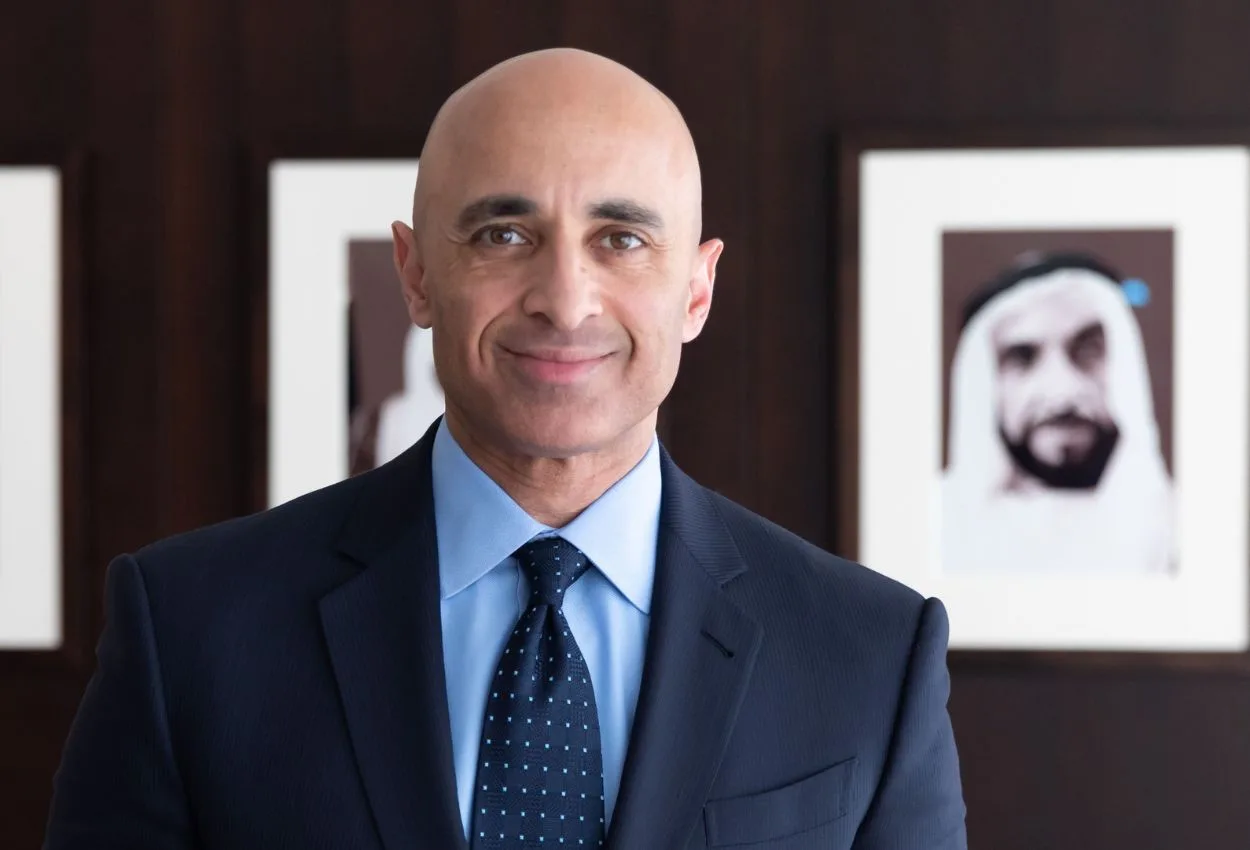
Yousef Al Otaiba, the UAE’s ambassador to the United States and the son of a former UAE petroleum minister, set out the case for leaving in the FT piece published on Wednesday. He described the decision as “not a commercial calculation alone” but “a responsibility.”
Al Otaiba opened his account with a recollection from 1986, when, at the age of 13, he attended his first OPEC meeting alongside his father, Mana Al Otaiba, who was then the UAE’s minister of petroleum and mineral resources.
Oil had collapsed to below $10 a barrel that year. His father had spent months pressing fellow OPEC members to strengthen production quotas and restore price stability.
“We have a long way to go,” the elder Al Otaiba told reporters at the Geneva conference that August. “I am not that optimistic.”
The meeting ended without resolution. Despite that, OPEC survived, and the UAE went on to become its third-largest producer. Last week, after nearly six decades, it announced its exit.
Why the UAE says it has outgrown OPEC
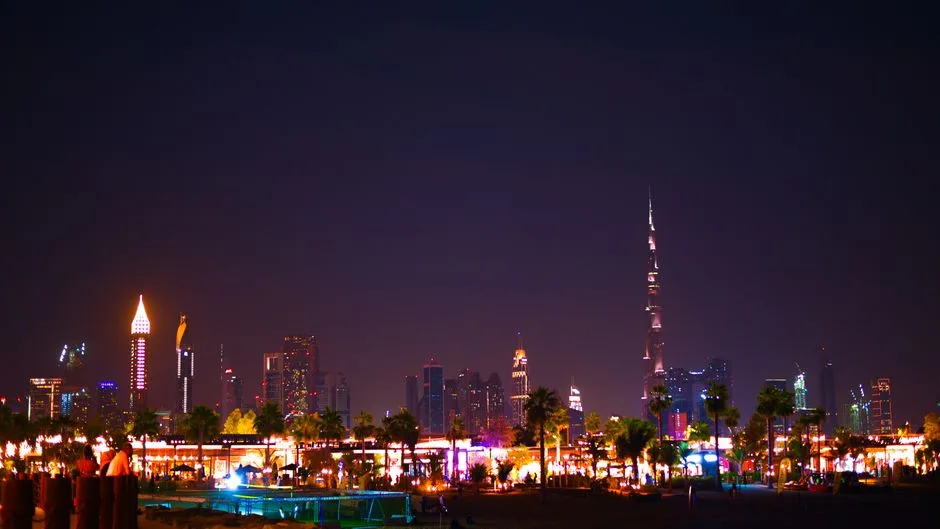
Al Otaiba argued that OPEC was built for oil-dependent states and that the UAE no longer fits that description. He said less than a quarter of the country’s GDP is now tied to energy, with aviation, logistics, advanced manufacturing, artificial intelligence, tourism and life sciences among its fastest-growing sectors.
The UAE has signed 35 comprehensive economic partnership agreements in the past four years, of which 15 are already operational, with countries including India, South Korea, Indonesia, Ukraine, Israel, Kenya, Malaysia, Vietnam and Jordan. It is also advancing a bilateral trade agreement with the European Union and has committed to a $1.4 trillion investment and technology partnership with the United States.
“This is not the profile of a country whose primary interest is managing oil supply within a collective framework,” Al Otaiba wrote.
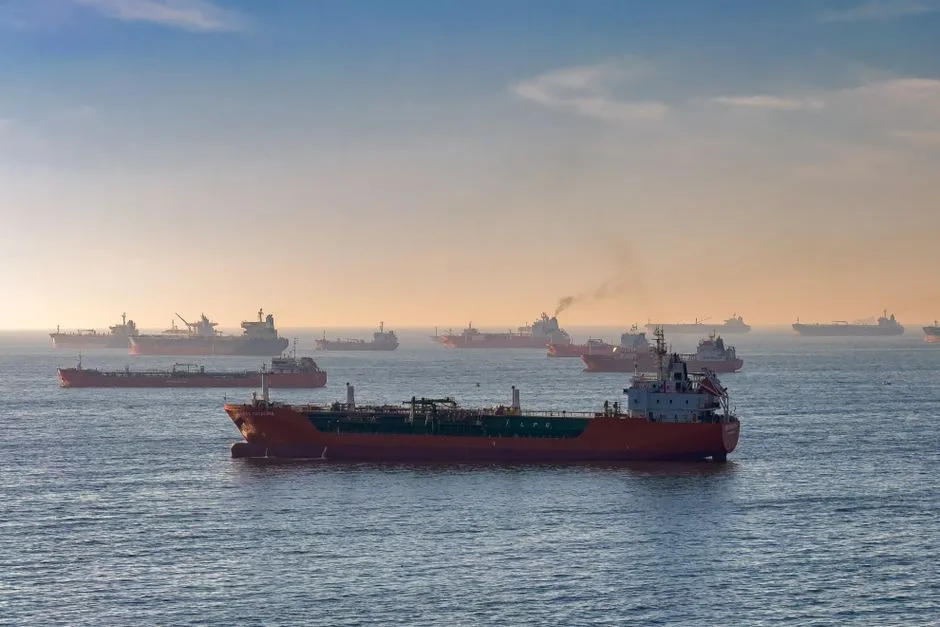
The UAE has set a production capacity target of five million barrels per day by 2027. Al Otaiba said the country has the spare capacity and infrastructure to expand output and plans to invest tens of billions of dollars in new pipelines, port upgrades and logistics to ensure its energy reaches markets regardless of disruption in the region.
He argued that within a collective production framework, that capacity “sits idle” and that leaving OPEC would allow the UAE to contribute to global energy security at a moment when that security is “genuinely at risk.”
He added that revenues from expanded production would be “recycled into infrastructure investments across the developing world.”
Al Otaiba also pointed to Iran’s continued membership of OPEC as a reason for the UAE’s departure. He said Iran “flouts the cartel’s stated mission” to ensure the stabilisation of oil markets and cited what he described as Iran renewing its attacks on oil tankers and energy infrastructure in the Gulf on Sunday, in violation of a ceasefire and international law.
The ambassador sought to frame the UAE’s move as consistent with the global energy transition. He said Masdar, the UAE’s renewable energy company, has spent 20 years building capacity across 40 countries, including the United States. He also pointed to the Barakah nuclear plant – described as the Arab world’s first – as generating clean baseload power, and said ADNOC, the Abu Dhabi national oil company, has allocated tens of billions of dollars to advance lower-carbon solutions through XRG, its international investment arm.
“We are not choosing between oil and the energy transition,” Al Otaiba wrote. “We are funding one with the other.”
Al Otaiba said he spoke to his father following the announcement, expecting him to have “mixed feelings” about the UAE leaving an organisation to which he had devoted much of his career. Instead, he said, his father told him the departure had always been the plan.
“Like that suit and tie from 1986, we had outgrown OPEC,” his father told him. “Oil revenue was always a means to an end. The goal was never to be an oil state. It was to build something more enduring – a diversified economy, a knowledge society, a country with the depth and the partnerships to thrive in whatever the world became next.”
The announcement drew a range of responses. One reader commenting on the FT article noted that the UAE had been “regularly at odds with OPEC regarding oil quotas” during the 1990s, describing the exit as something that had been “in the mail for a long time.” Another described the piece as “UAE propaganda,” while an economist among the commenters suggested the move could form part of a wider arrangement in which the UAE increases production while sanctions are placed on Russian and Iranian oil.
Others questioned how much of the UAE’s economic achievement had been built on labour from South Asia, noting conditions they described as working “under appalling conditions with minimal protections or rights.”
If the UAE reaches its production target of five million barrels per day, the remaining OPEC members will face the task of sharing a smaller portion of the market between them.