
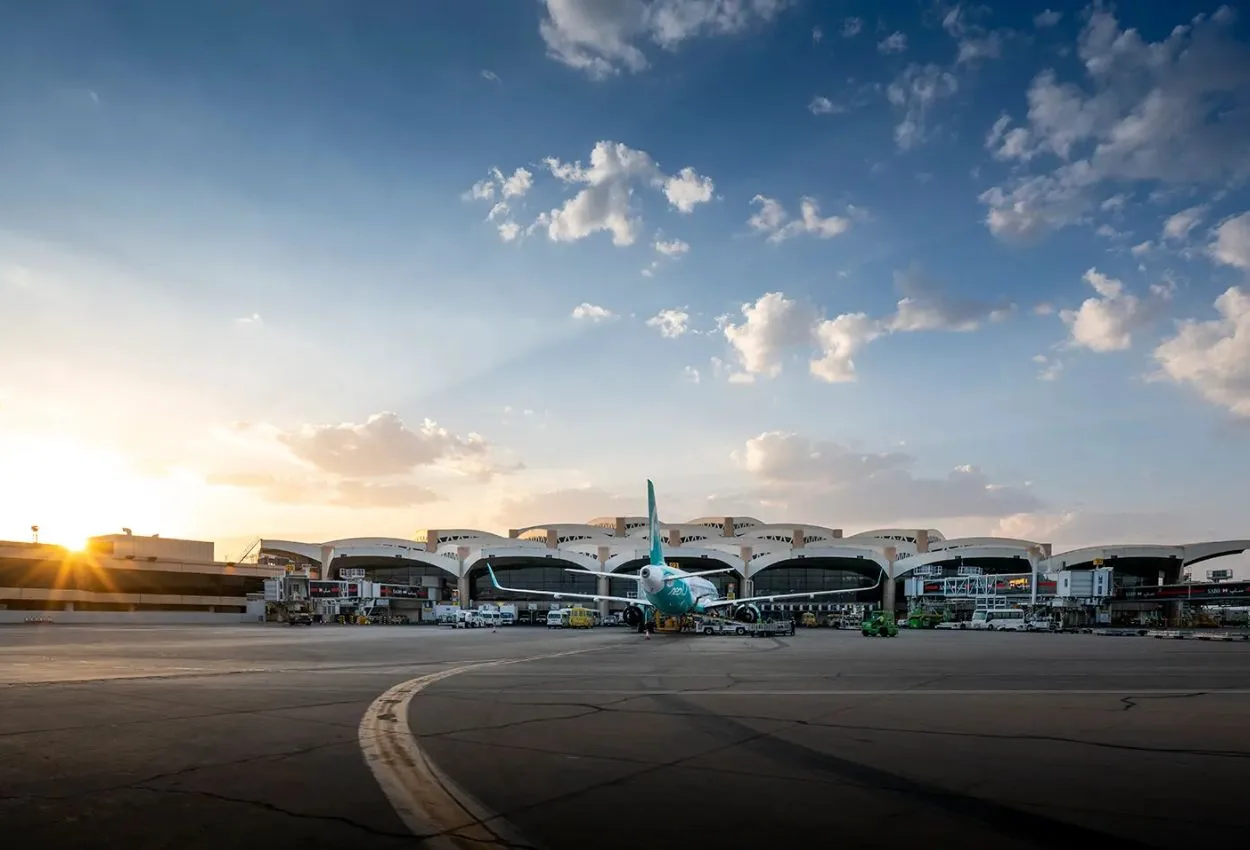
King Khalid International Airport has notified airlines that all landings and departures now require prior permission, with no end date attached to the restriction. The airport has also advised that it cannot serve as an emergency diversion point, effectively removing Riyadh’s main gateway from the regional aviation network until further notice.
The closure follows sustained Houthi attacks on the facility over recent weeks. The strikes have damaged airport buildings and destroyed at least one aircraft. Saudi Arabia’s General Authority of Civil Aviation confirmed the airport remained shut as of Monday, with no clear timeline for reopening.
Several airlines have already pulled operations. Qatar Airways suspended flights to Riyadh through October 24 and reduced services to Jeddah. Etihad Airways has also halted flights to the airport, as have Indian carriers Akasa Air and Air India.
According to a report by Bloomberg, the kingdom’s flagship investment conference, the Future Investment Initiative, is scheduled for next week in Riyadh. Bloomberg has reported that FII organisers are weighing contingency options including a hybrid format, given that a prolonged airport closure would make direct travel to the capital difficult for international attendees.
Tensions between Saudi-led forces and the Iran-backed Houthis have been building since July, when Saudi jets struck the runway at Sanaa airport to block a Houthi delegation returning from Iran.
Fighting intensified earlier this month after Saudi-led forces launched what they described as a campaign to eliminate the group. Air-raid alerts were recorded in Riyadh over the weekend, with fatalities reported near the Yemeni border, the report said.