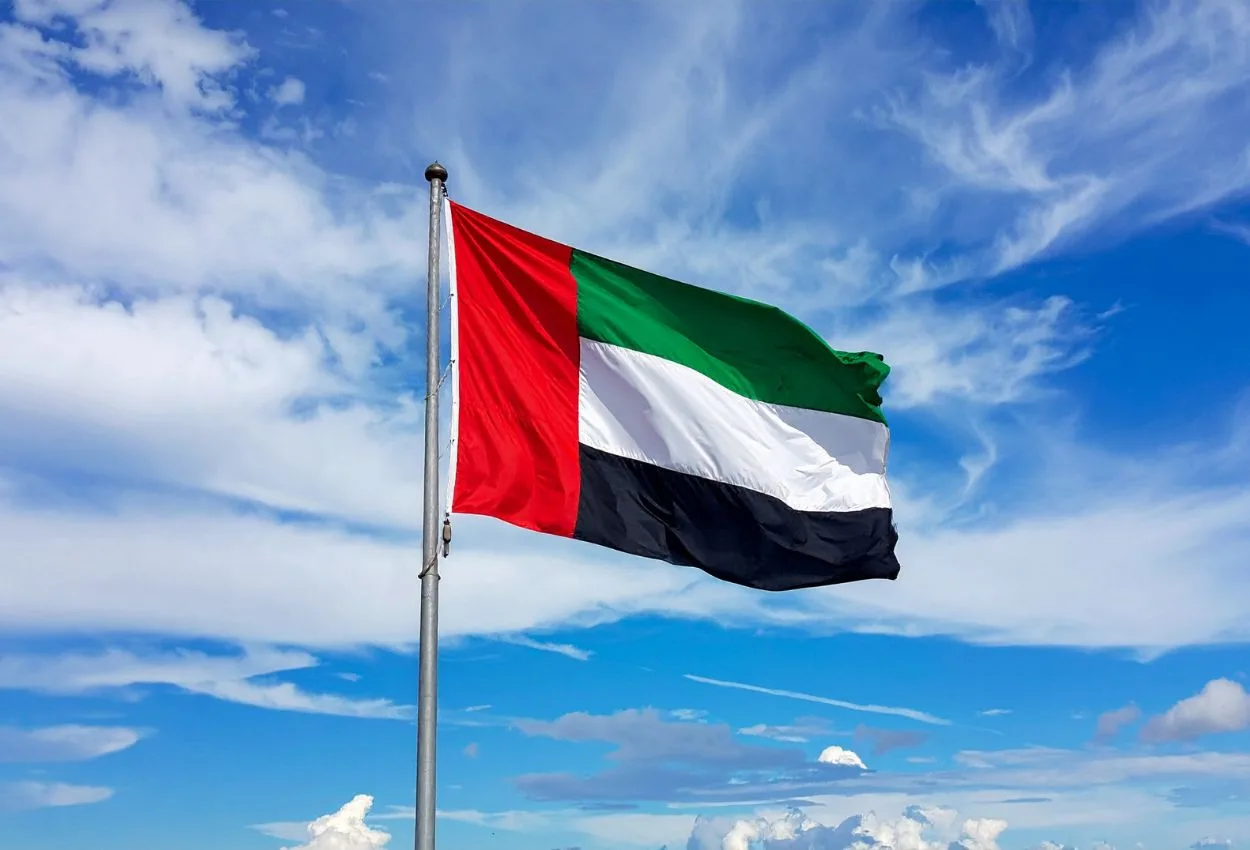
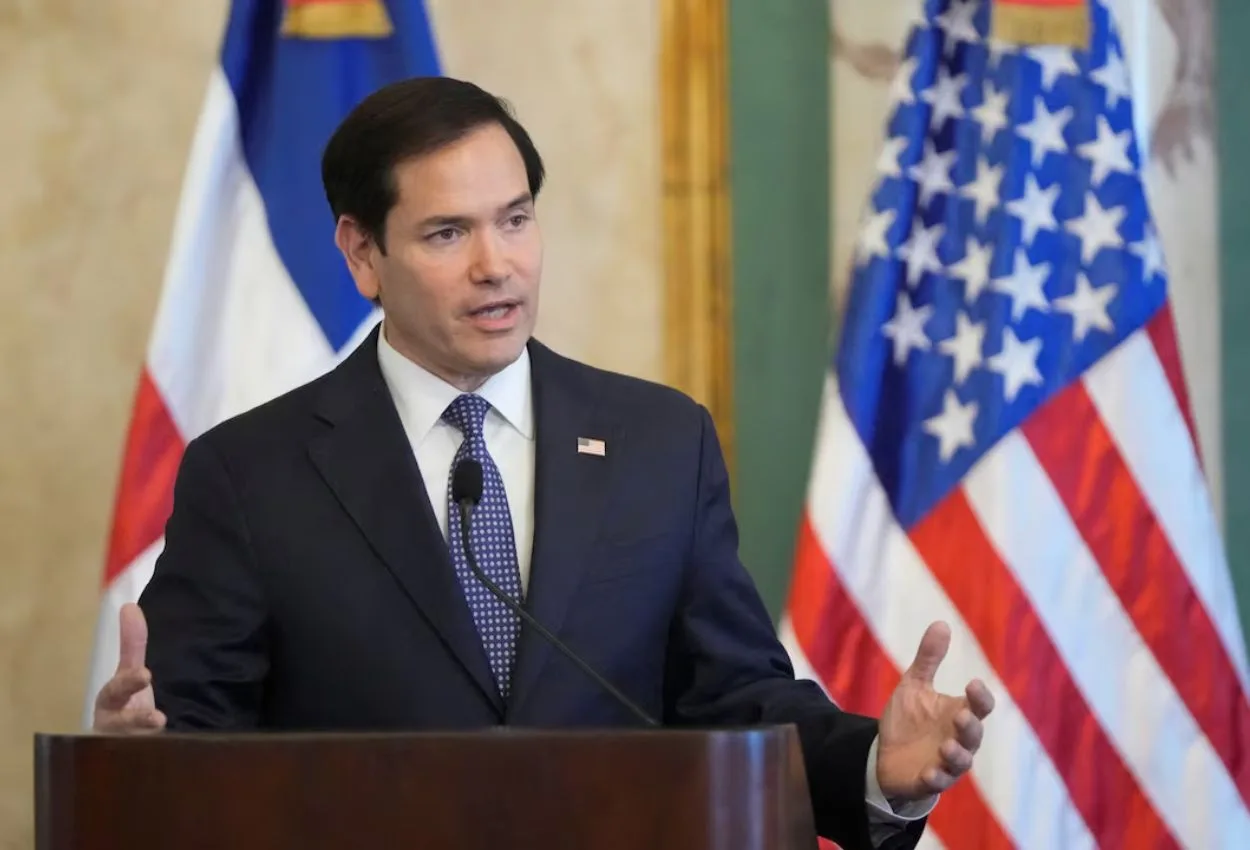
Marco Rubio arrived in Abu Dhabi late Tuesday, beginning a three-day Gulf mission to address allied concerns over the terms of last week’s agreement to end the four-month US-Israeli war with Iran. It is his first high-level diplomatic engagement on the deal since it was reached, Reuters reported.
Gulf states pushed for a ceasefire during the conflict but were broadly caught off guard by what the accord actually contains. Their chief concern is the proposed $300 billion reconstruction fund for Iran, which they fear Tehran could use to rebuild its military capacity.
The agreement also leaves Iran’s ballistic missile programme untouched – a direct threat to countries across the region that were struck by Iranian missiles and drones during the war.
Asked on arrival whether he would address those concerns, Rubio told reporters: “That most certainly will come up in these discussions.” He added the talks would also cover matters not addressed in the memorandum of understanding.
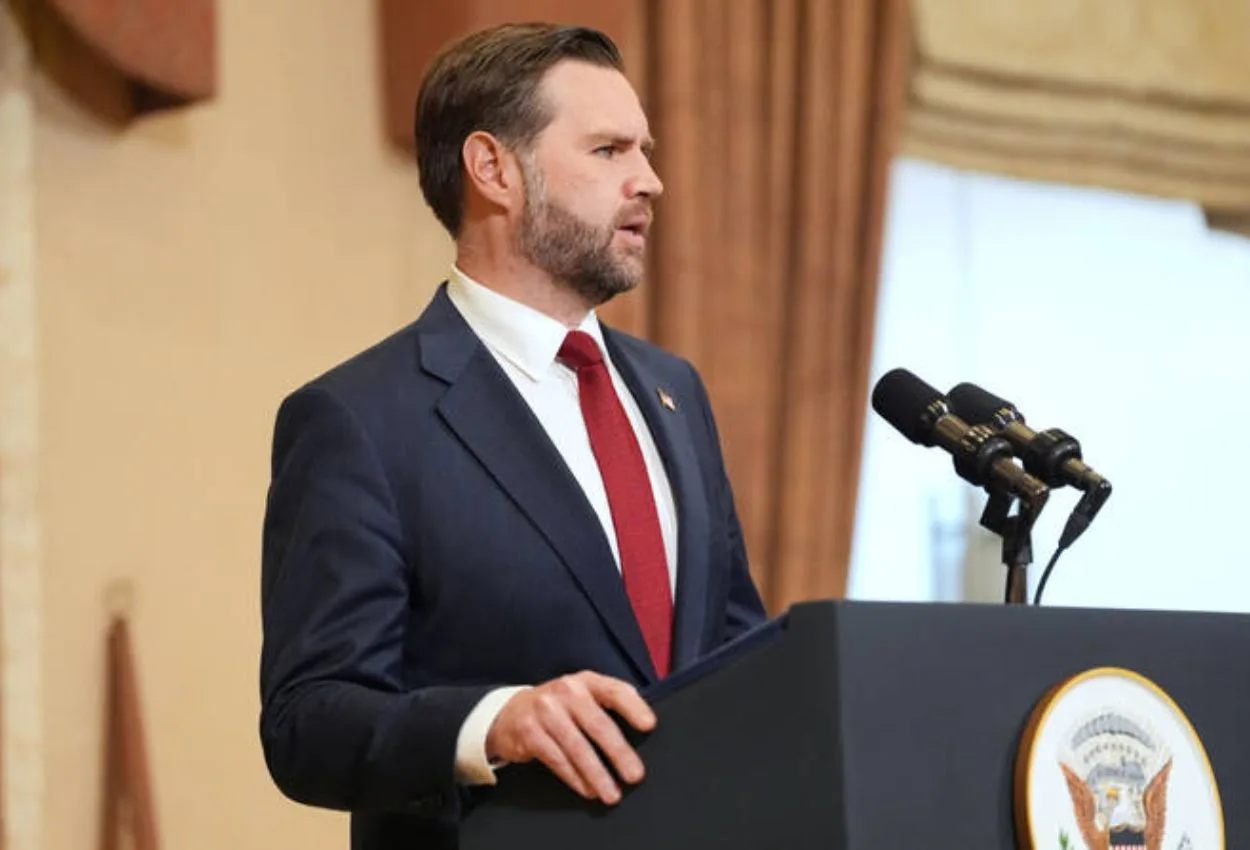
Rubio’s presence in the region comes after a conspicuous absence from Iran-related diplomacy in recent weeks. Vice President JD Vance led the most recent round of negotiations with Iranian counterparts in Switzerland over the weekend. The Secretary of State’s silence on the deal has been noted in Washington, where many congressional Republicans have argued the agreement amounts to capitulation.
The domestic political context adds texture to the trip. Rubio and Vance are widely considered potential candidates to succeed Donald Trump, with early polling often framing the contest as a two-way race between them. How Rubio handles a deal that Trump firmly backs – while credibly addressing Gulf allies who view it with suspicion – carries weight beyond this particular visit.
Among the countries on his itinerary are the UAE and Kuwait, both of which host US military bases that played a central role in the war effort, Reuters said. Tehran has noted that Gulf states made logistical accommodations for Washington’s campaign while Iranian missiles and drones hit their territory, causing civilian deaths.