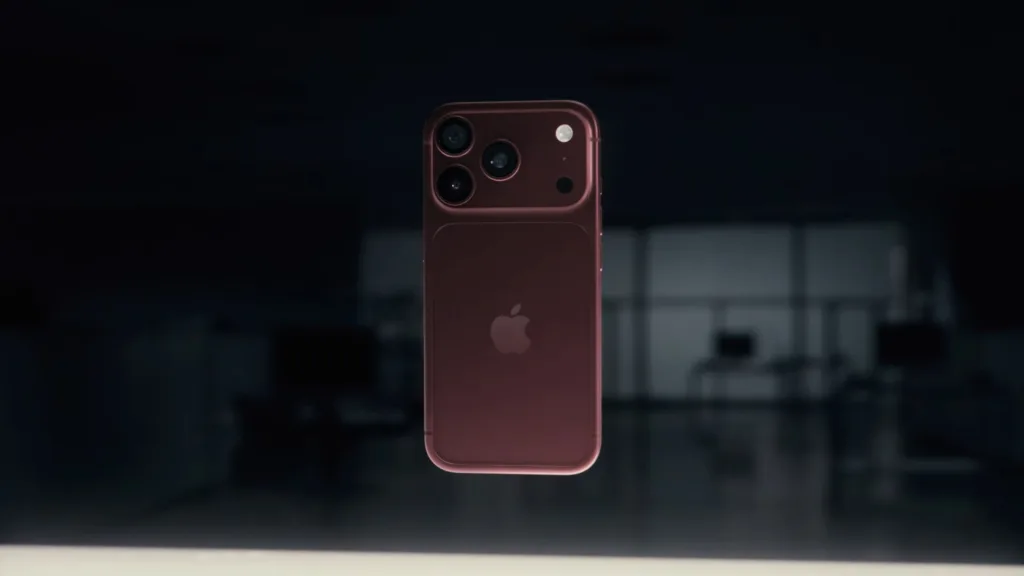
Apple details iPhone Duo’s dual displays, Touch ID side button, and Duo-optimized software
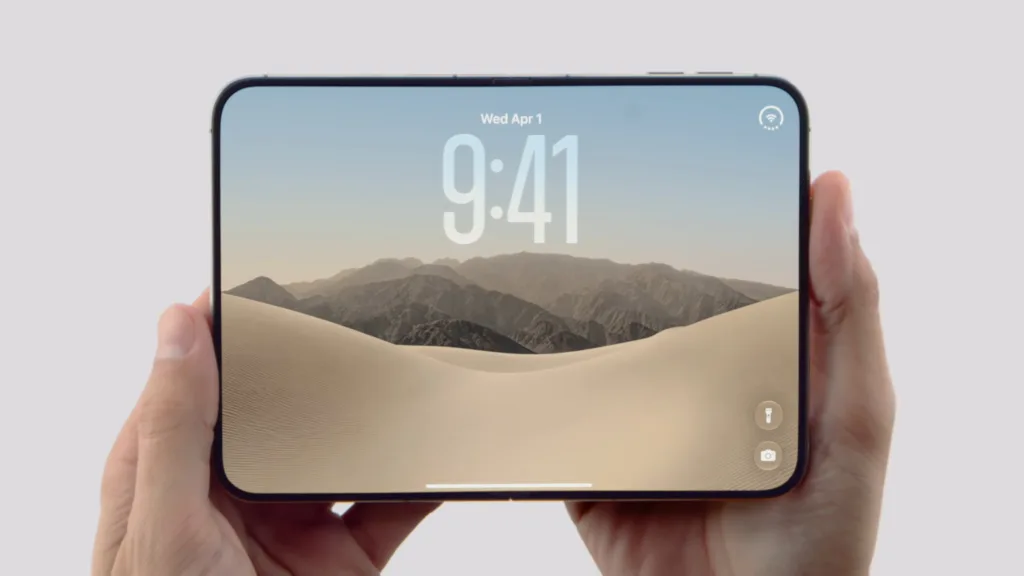
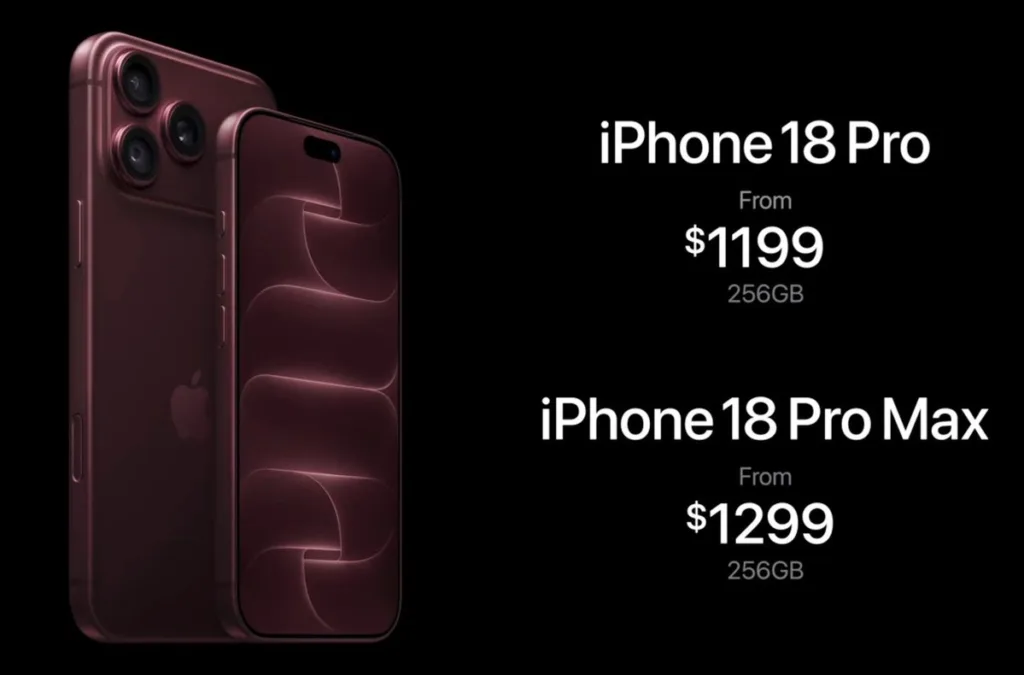
The iPhone Duo opens to a 7.6-inch Super Retina XDR display Apple says is 50% larger than the iPhone 18 Pro Max and 80% larger than the standard 18 Pro, plus a 5.4-inch outer display covering 90% of the 18 Pro’s screen area.
Later this year, both displays will support Apple Pencil with USB-C, marking the first time Apple has brought that iPad-style experience to an iPhone. For authentication, Apple opted for Touch ID built into the side button under the thumb – usable whether the phone is open or closed – with support for enrolling multiple fingers and unlocking via Apple Watch. Top and bottom speakers deliver spatial audio in both landscape and portrait, and it launches in Star White and Night Sky.
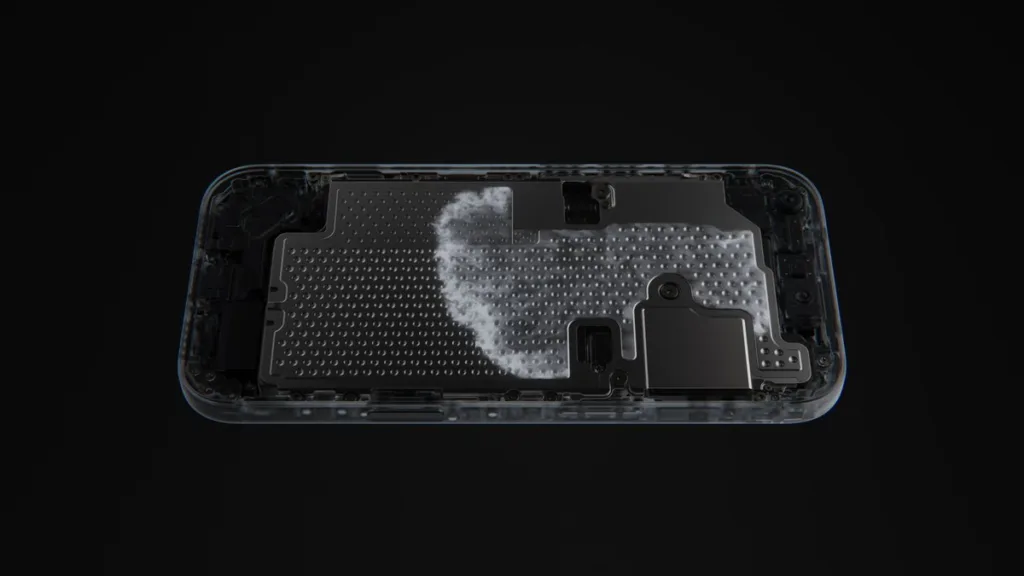
On durability, the Duo uses a Grade 5 titanium frame with structural support ribs, plus antenna splits reinforced with ceramic-fiber inserts Apple says are three times stronger than the titanium itself. It has Ceramic Shield on the back, Ceramic Shield 2 on the front, and carries an IP68 dust and water resistance rating.
Software-wise, Craig Federighi’s team said they rebuilt iOS around the Duo’s shape, moving essential controls to the sides to free up vertical space — including a minimalist lock screen that foregrounds wallpaper – with every built-in app optimized for the format.
The bigger screen enables split-view multitasking (two different apps side by side, or two windows of the same app for comparison), easy app-swapping and resizing, and the ability to pin a video to the top while multitasking below.
iOS also adapts intelligently to however the device is angled or posed – usable hands-free standing on a table, propped at an angle, or folded, with content sliding away from the crease so it’s not obstructed. A redesigned StandBy mode activates even off the charger, with customizable clock faces, widgets, and notifications, including a bedside-clock mode with a gentle wake-up glow synced to alarms.
Apple also highlighted developer support through new APIs, citing early adopters: Zoom turning the screen into a video-conference layout, Slack expanding workspace visibility, an app called Detail using Apple’s on-device Core AI framework for content creation, and Netflix restructuring browsing across both displays.
On the display engineering, Apple described a custom manufacturing process using laser etching to create a matte, glare-reducing texture that’s also meant to feel better to the touch and resist scratches, built on an all-metal structural system with multi-layer lamination to keep the display securely mounted to the frame.