Planned talks between the United States and Iran in Switzerland collapsed on June 19, just two days after both countries signed a memorandum of understanding (MOU) meant to open a 60-day window for negotiating a permanent agreement on Iran’s nuclear programme and restoring shipping through the Strait of Hormuz, The Guardian reported.
The cancellation came as fighting intensified in south Lebanon. Hezbollah fired several salvoes of rockets at Israeli forces near Nabatieh late on Thursday, and Israel responded with airstrikes on the city and surrounding towns, killing several people including children. Hezbollah said its fighters destroyed three Israeli tanks and that clashes were “ongoing” on Friday; Israel had not confirmed the losses, the report said.
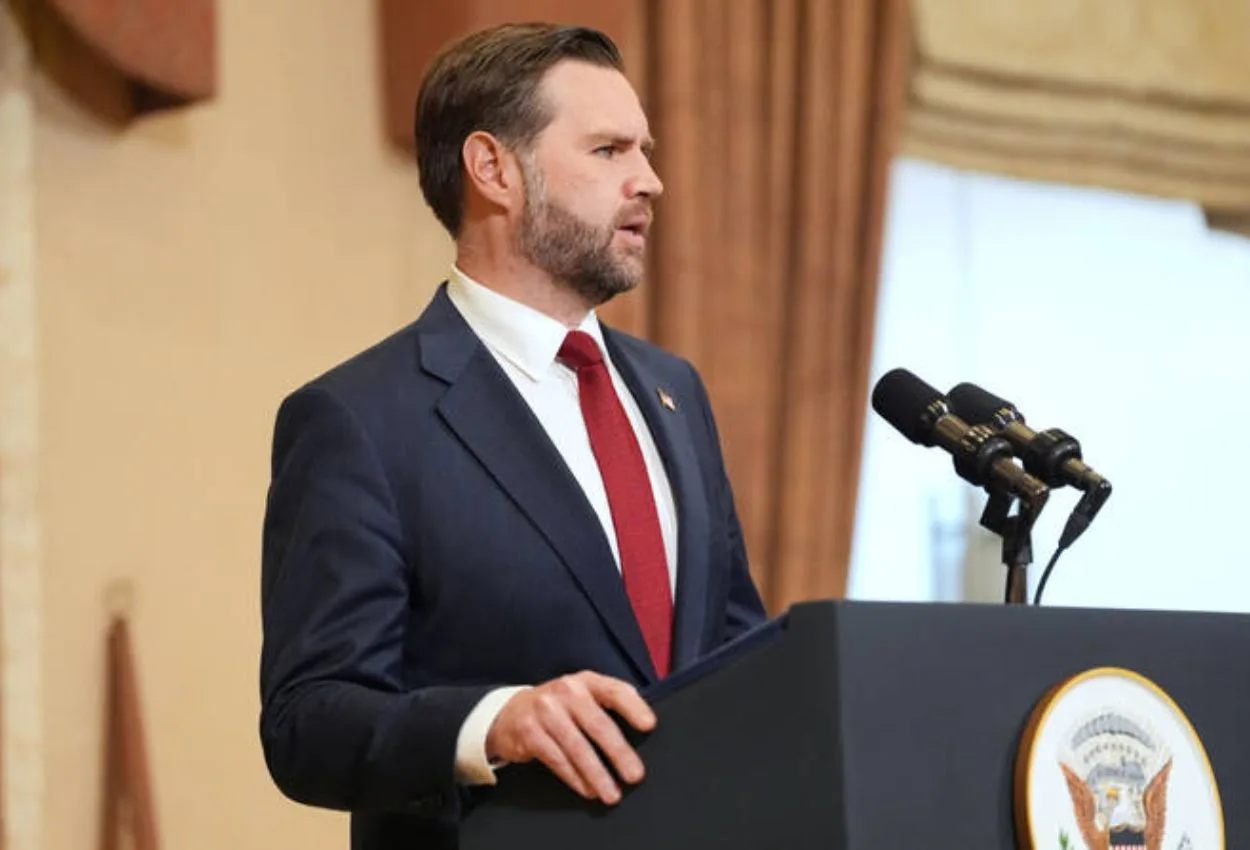
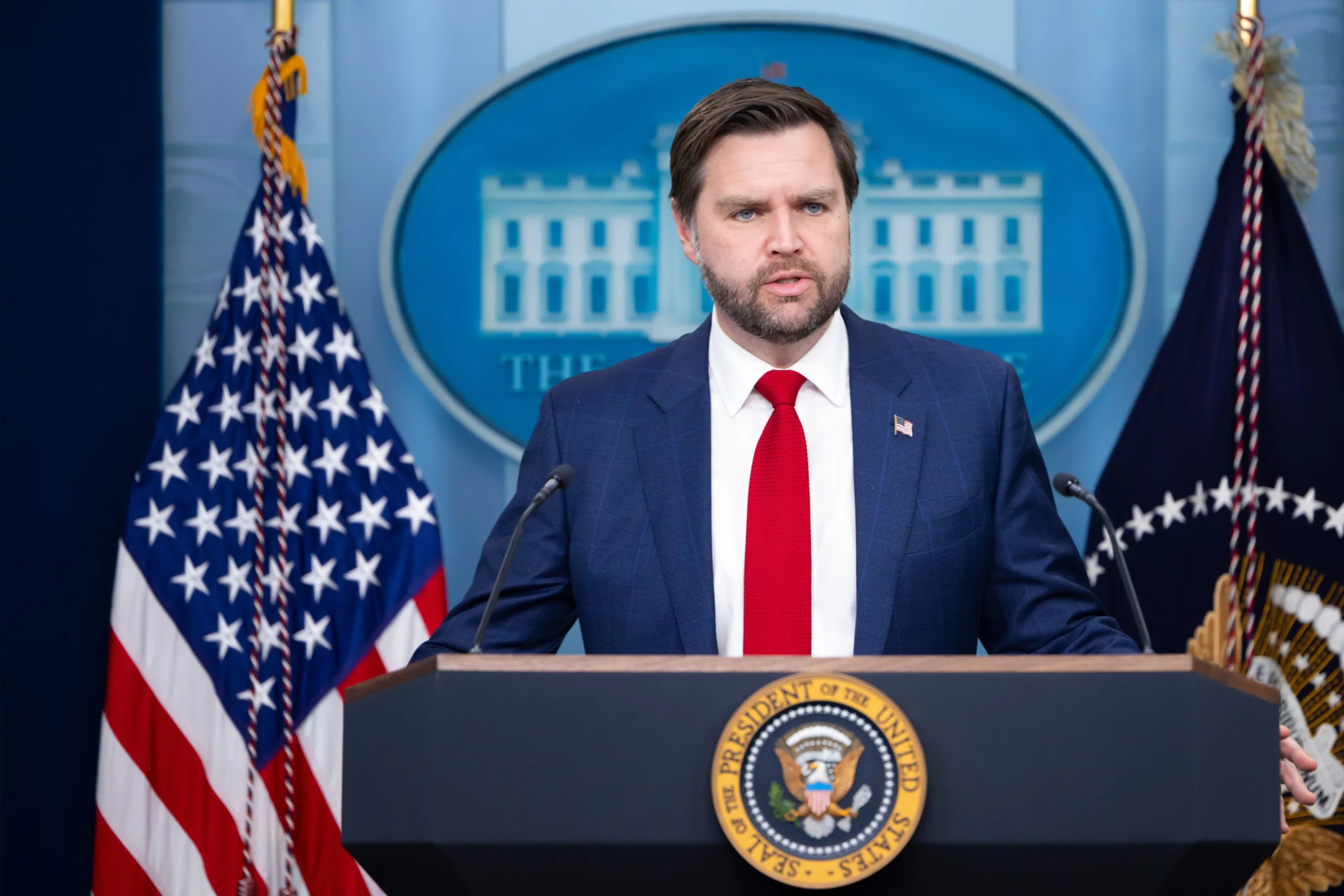
The meeting had been scheduled to take place in the Swiss village of Obbürgen. Vance’s staff and a group of journalists had already gathered at Joint Base Andrews in anticipation of the flight, and dozens of White House officials and advance staff were already in Switzerland when the decision was made.
“The logistics of these negotiations have never been simple or predictable. As of now the vice-president is not departing tonight,” a White House spokesperson said. The administration added it looked forward to “beginning technical talks as soon as possible.”
Iran’s semi-official Tasnim news agency had earlier indicated that Iranian negotiators wanted to see signs the US was implementing the interim agreement before committing to the next round. Al-Mayadeen, the Arabic-language network aligned with Hezbollah, reported that Tehran was delaying its delegation over Israel’s continued military campaign in Lebanon.
Iran’s supreme leader Ayatollah Mojtaba Khamenei had said he approved the MOU “despite reservations,” while signalling the upcoming negotiations would be difficult. “If the American side wants to be too demanding, we will not accept it,” he said. He also characterised Trump’s decision to sign as coming “out of desperation.”
Iran’s chief negotiator Mohammad Ghalibaf warned on Friday that any breach of the agreement would draw a response, saying “in case of misconduct, breach of treaty and excess of the other side, we have no doubt that decisive respond will be given to the enemy.”
The MOU calls for a “permanent termination” of the war in Lebanon and for the country’s “territorial integrity and sovereignty” to be ensured. Israel, which was not party to the talks, has said it will not withdraw troops from south Lebanon and has continued operations there, drawing open criticism from both Trump and Vance. On Thursday, Vance said Israel needed to respect the peace process, describing his frustration that breakthroughs were repeatedly disrupted by strikes on civilian areas in Beirut.
The US military lifted its naval blockade of Iranian ports on Thursday, though American warships were said to remain “in the general area.” Traffic through the Strait of Hormuz remained muted. The broader conflict has killed at least 7,000 people and pushed energy prices sharply higher since it began.