
Dubai’s Roads and Transport Authority (RTA) has awarded the contract for the Latifa bint Hamdan Corridor Development Project, a 12-kilometre road link worth AED 2 billion.
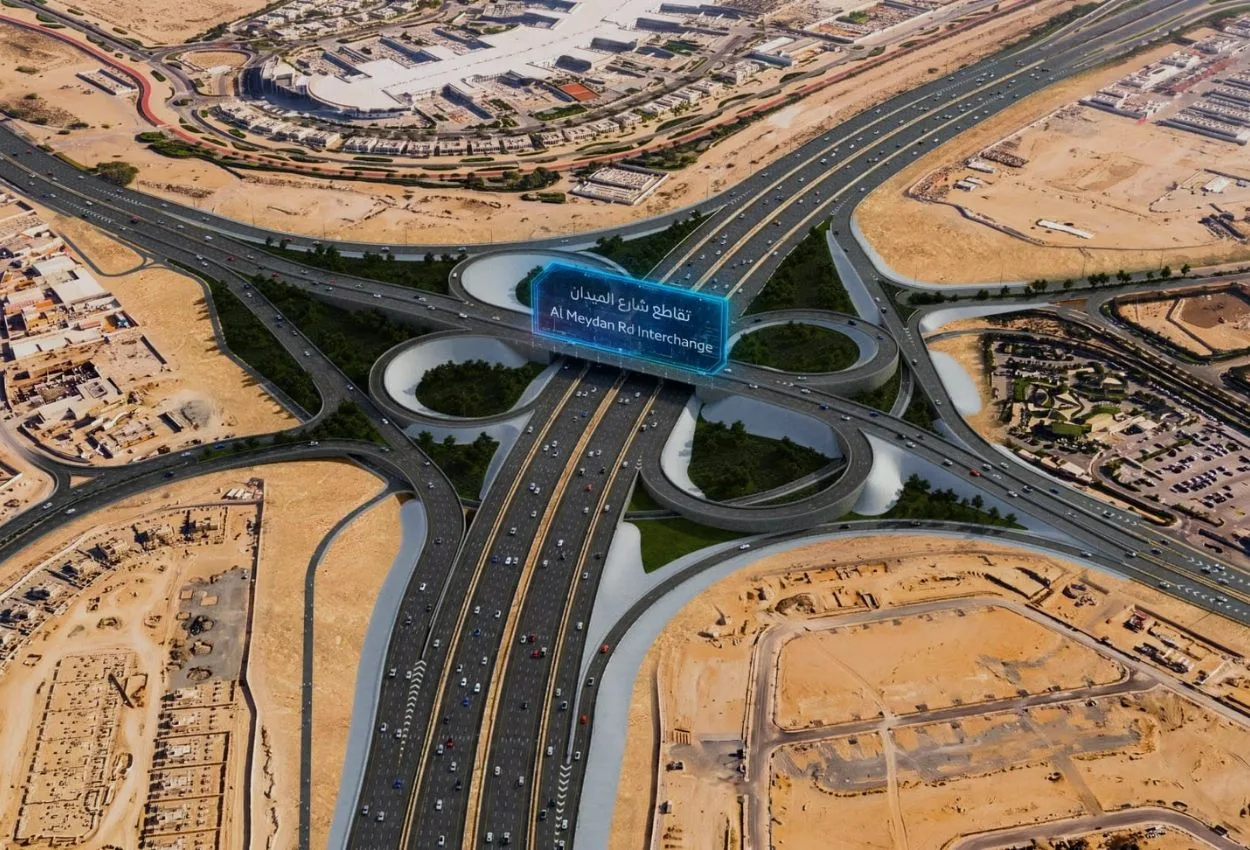
The corridor will connect Sheikh Zayed Road to Emirates Road via Al Khail Road, Al Meydan Street, Sheikh Mohammed bin Zayed Road, and Sheikh Zayed Bin Hamdan Al Nahyan Street. The project includes seven bridges totalling 2,300 metres and eight tunnels covering 900 metres.
When complete, the corridor is designed to handle around 16,000 vehicles per hour in both directions and accommodate more than 130,000 trips per day.
Travel time between Umm Al Sheif Street and Emirates Road is expected to fall from 33 minutes to 15 minutes, a 54 per cent reduction. The project is due for completion by the end of 2028.
“Dubai has adopted a proactive approach to infrastructure development, centred on delivering major projects ahead of growth requirements. This ensures the road network is ready to accommodate the urban, population and economic expansion witnessed by the emirate. RTA continues to deliver strategic projects that strengthen connectivity between different areas, enhance traffic efficiency and ensure smoother mobility. These projects have a positive impact on quality of life and support the objectives of the Dubai Economic Agenda D33 and the Dubai 2040 Urban Master Plan, both of which aim to reinforce Dubai’s leadership as a global model for sustainable urban development,” Mattar Al Tayer, Director General, Chairman of the Board of Executive Directors of the Roads and Transport Authority said in a statement.
“Latifa bint Hamdan Corridor Development Project forms part of RTA’s efforts to support strategic road corridors experiencing rising traffic volumes, such as Al Khail Road, Dubai–Al Ain Road, Umm Suqeim Street and Sheikh Mohammed bin Zayed Road. The project will contribute to distributing traffic flow and managing demand. The new corridor also aims to serve development projects by providing entry and exit points that facilitate access to them and enhance their economic competitiveness. Latifa bint Hamdan Corridor is a new strategic corridor that strengthens integration across the main road network, provides advanced infrastructure to serve current and future urban projects, and improves connectivity between the eastern and western parts of the emirate. It will support economic growth, facilitate the movement of residents and visitors, and enhance the capacity of the road network in line with the highest international standards,” he added.
Corridor to enhance connectivity between road corridors
Latifa Bint Hamdan Corridor is one of the projects being implemented by RTA to enhance connectivity between Dubai’s road corridors. Extending approximately 12km, it links Sheikh Zayed Road, Al Khail Road, Al Meydan Street, Sheikh Mohammed Bin Zayed Road, Sheikh Zayed Bin Hamdan Al Nahyan Street and Emirates Road, forming a corridor that adds 12 per cent capacity to east-west corridors across the emirate.
The corridor will serve residential and development areas including Nad Al Sheba, Al Barari, Dubai Hills, Dubai District One, Mohammed Bin Rashid Gardens, Living Legends, Majan and Global Village, along with residential, commercial and industrial areas along Latifa Bint Hamdan Street and Al Meydan Street, and areas between Al Khail Road and Emirates Road. RTA expects the corridor to serve around 650,000 residents and visitors.
The project includes expanding Latifa Bint Hamdan Street to four lanes in each direction, and constructing a system of multi-level free-flow interchanges, bridges and loop ramps that provide all traffic movements. It also includes construction of the seven bridges and eight tunnels mentioned above, along with a road linking Al Khail Road with the extension of Latifa Bint Hamdan Street.
The project further includes developing parts of Al Meydan Street and constructing an interchange to serve development projects in the area.
Cycling tracks included in plan
The project includes construction of 12.5km of cycling tracks, linking them with the existing network to form a route from Al Qudra to Jumeirah. RTA states this supports the sustainable mobility system and enhances mobility options across the emirate.
Latifa Bint Hamdan Corridor is estimated to have a capacity of around 16,000 vehicles per hour in both directions, with total trips expected to exceed 130,000 per day. The corridor will increase the capacity of the road network, including corridors such as Al Khail Road, Sheikh Mohammed Bin Zayed Road, Dubai–Al Ain Road and Umm Suqeim Street.
RTA states the corridor will improve service levels and ensure smoother traffic flow, with travel time between Umm Al Sheif Street and Emirates Road dropping from 33 minutes to 15 minutes, a reduction of 54 per cent. The project will also enhance traffic safety through multi-level interchanges, strengthen connectivity between corridors, and support urban growth and development projects.
RTA had previously completed development of the western section of Latifa Bint Hamdan Street, as part of the Latifa Bint Hamdan and Umm Al Sheif Streets Development Project.
That project improved connectivity between Jumeirah, Al Khail Road and the parallel roads, through implementation of a network of multi-level bridges that provided free-flow traffic movement and reduced travel time from Sheikh Zayed Road to Al Khail Road from 12 minutes to four minutes. It also facilitated truck movement to and from Al Quoz Industrial Area.
The previous project supported urban and economic development in the areas it serves, connecting development projects and residential areas to the road network.
The current project will complete development of this corridor and strengthen its role as one of Dubai’s strategic corridors. RTA states the project forms part of its vision to develop a road network that drives growth, boosts the economy, elevates quality of life, and meets Dubai’s ambitions in infrastructure and sustainable mobility.