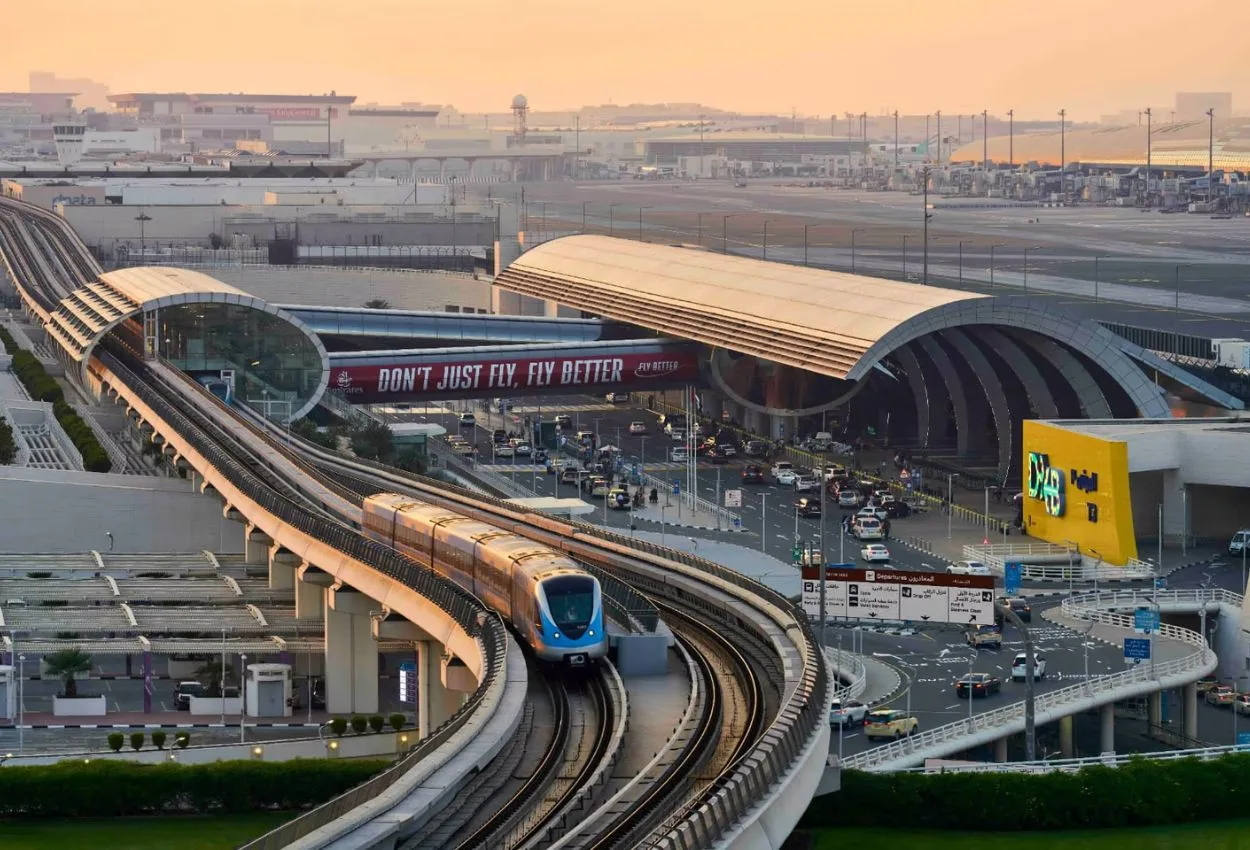
Dubai International Airport (DXB) handled 31.5 million passengers in the first half of 2026, a 31.3 per cent decline compared with the same period last year, as the airport continued to recover from disruption caused by regional airspace constraints.
Traffic built gradually through the second quarter, rising from 3.5 million guests in April to 4.5 million in May and 5 million in June, bringing the Q2 total to 13 million. Aircraft movements reached 150,600 across the first half, down 32.1 per cent year on year, with 62,500 recorded in Q2 alone.
By the end of June, DXB was served by almost 50 international airlines connecting passengers to 217 destinations across 99 countries. Load factors continued to strengthen, approaching 2025 levels as connectivity widened. Cargo volumes totalled 751,340 tonnes in H1, down 28.7 per cent year on year, including 351,716 tonnes in Q2.
On operational performance, DXB processed 30.3 million bags in the first half, with a mishandled baggage rate of 2.7 per 1,000 passengers, well below the global industry benchmark of approximately 4.9. Passport control and security clearance times held firm, with 98.98 per cent of departing passengers clearing passport control in under 10 minutes and 99.34 per cent passing through security in under five.
“The first half of the year tested every part of the aviation system, and demonstrated our resilience. As capacity steadily returns across the board, demand is responding immediately. That is particularly important for DXB, where international transfers account for a significant share of traffic. Strong performance across the airport community in recent months has left us well placed to accommodate returning demand, work closely with our airline partners, and reinforce Dubai’s position as a leading global hub,” Paul Griffiths, CEO of Dubai Airports said in a statement.
Dubai Airports said it continues to invest in DXB’s infrastructure through upgrades to guest facilities, a new consolidated remote departures experience, expanded self-service options, biometric systems, and improvements to passenger flow. The airport is also upgrading key terminal areas for comfort and operational efficiency.
Looking to the second half, Dubai Airports said it expects stronger momentum driven by airline network recovery, rising transfer traffic, easing travel advisories, the winter schedule, and Dubai’s events calendar.