US-Iran nuclear talks in Switzerland survived a dramatic walkout by the Iranian delegation on Sunday after Donald Trump threatened to bomb Iran and kidnap its negotiating team unless the Strait of Hormuz was reopened.
Iranian state media described the talks as entering a “difficult phase”, with the delegation leaving the negotiating site following what it called the “publication of an insulting message by the US president.” Iran’s team lodged a formal protest with mediators Qatar and Pakistan, demanding Trump’s “bullying” be brought under control.
Talks continued through the night, with Pakistan and Qatar brokering an agreement in the early hours of Monday. A joint statement from the two mediators said the US and Iran had agreed to establish a “communication line” to prevent incidents in the strait, and to set up a “de-confliction cell” with Lebanon’s government to oversee the end of military operations there. Technical talks between the two sides are expected to continue for the rest of the week.
Iran’s foreign minister, Abbas Araghchi, praised the mediators early on Monday, saying they “delivered major progress.” He said the Lebanon de-confliction mechanism would be the first real test of whatever understandings the two sides had reached.
Iran’s chief negotiator, Mohammad Bagher Ghalibaf, was more pointed in his response to Trump’s threats. “Don’t they think to themselves that if their threats had any effect, they wouldn’t have reached the desperation they face today?” he said. “We don’t take the Americans’ threats into account at all.”
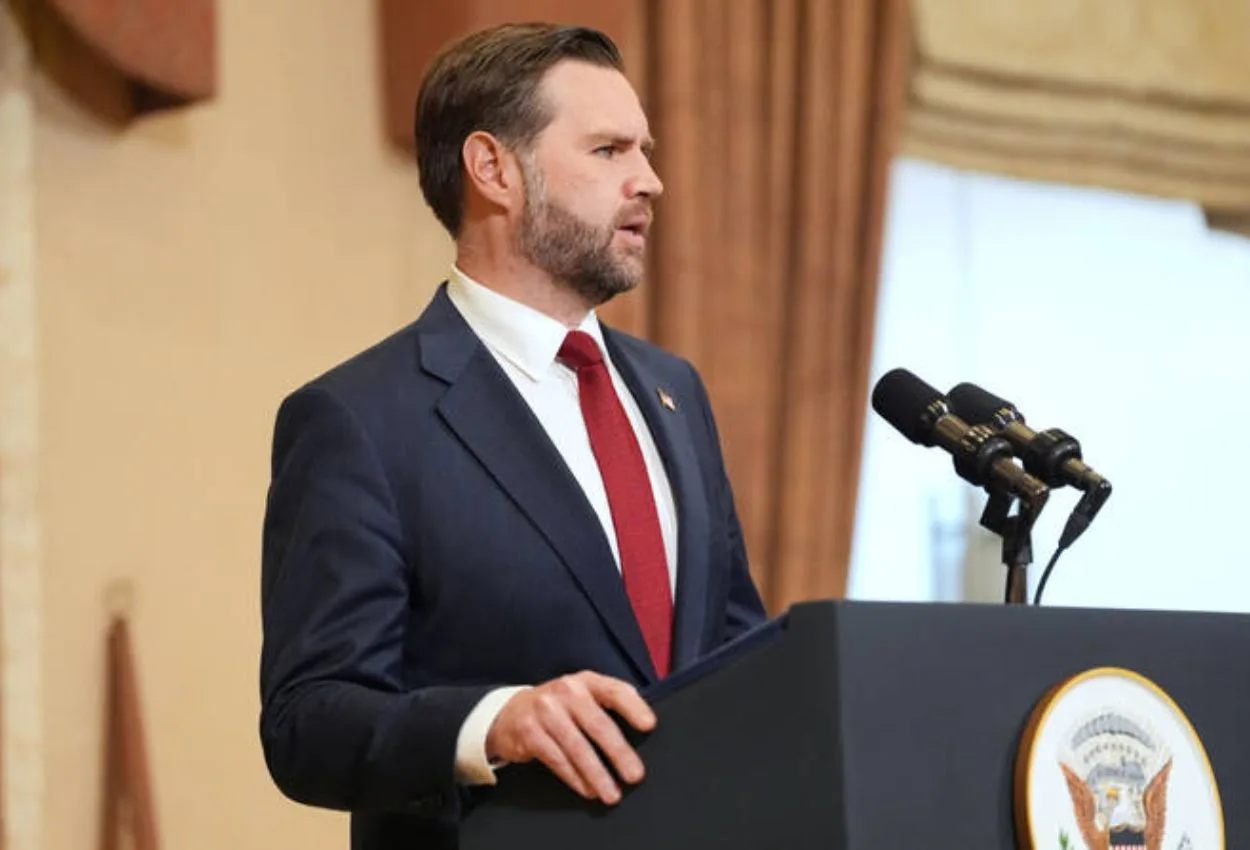
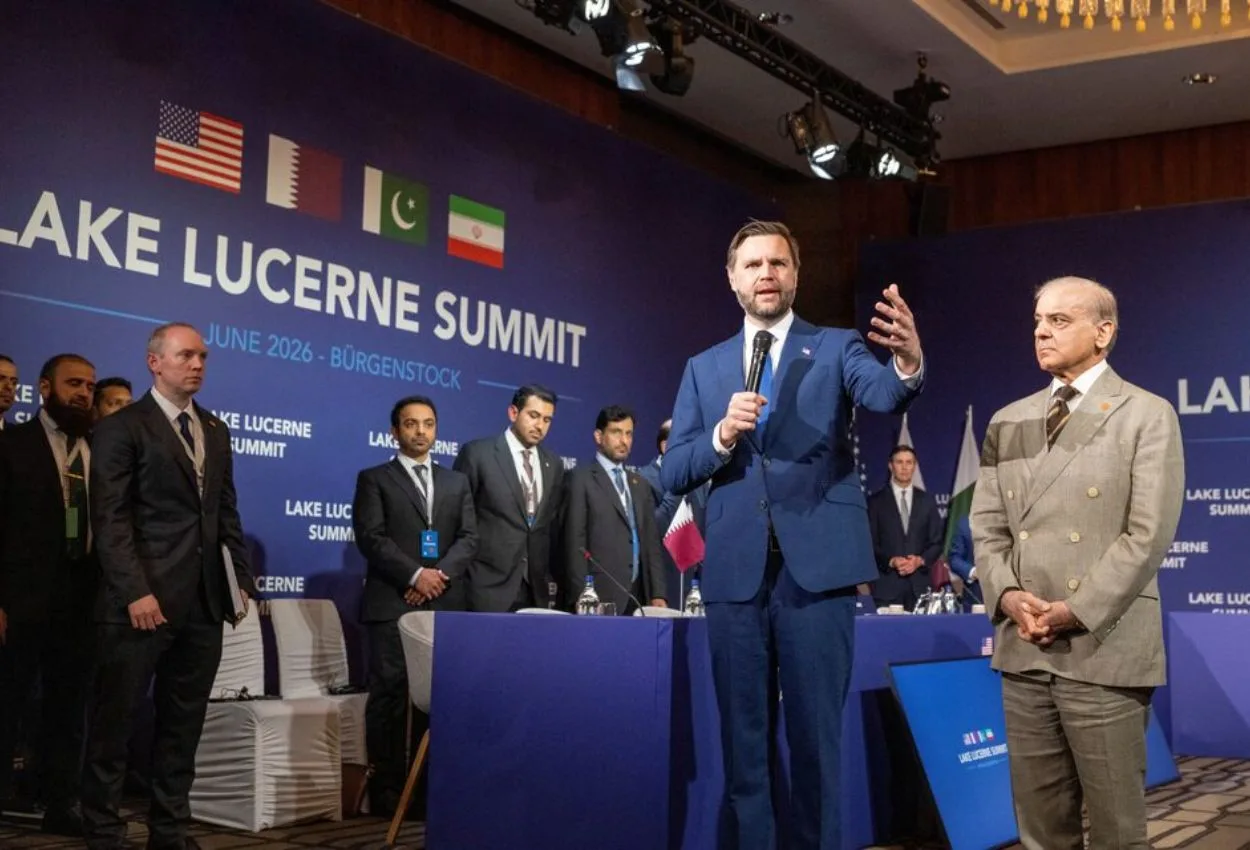
The walkout exposed a sharp divide within the US delegation. Vice-President JD Vance, who led the American side alongside Jared Kushner and special envoy Steve Witkoff, struck a markedly different tone to the president, saying Trump had asked him to “turn over a new leaf” with Iran. “The question before us now is how much more can we accomplish together?” he said.
Trump’s social media posts threatened to seize the strait by force. “We may take over the strait, if we have to,” he told Fox News. “If they don’t make a deal, we’ll collect tolls.” In a separate post, he warned: “Iran must immediately stop their highly paid proxies in Lebanon from causing trouble. If they don’t, we’ll hit Iran very hard again.”
Senator Lindsey Graham, a Trump confidant, went further, suggesting that if negotiations failed, the US would take the strait by force and “obliterate” Iran if it resisted.
The talks, held in a format involving Iran, the US, Qatar and Pakistan, follow a memorandum of understanding signed by Trump and Iranian President Masoud Pezeshkian last week. That agreement called for a ceasefire on all fronts and gave the two sides 60 days to negotiate Iran’s civil nuclear programme. The period can be extended by mutual agreement.
Iran had remounted its blockade of the strait in protest at continued Israeli strikes in Lebanon, arguing that Trump was allowing Israel to breach the memorandum. Israel killed more than 30 people in attacks on Saturday in central and southern Lebanon. Netanyahu, speaking at a memorial service for his late brother Yonatan, said Israel would “remain in the security buffer zone in southern Lebanon for as long as necessary.”
Energy Secretary Chris Wright played down the impact of the renewed blockade, saying 67 ships had transited the waterway on Saturday, on top of 55 on Friday.
Iran’s delegation included the chief executive of the National Iranian Oil Company and the head of Iran’s central bank, indicating that sanctions relief and the unfreezing of Iranian assets abroad are among Tehran’s primary demands. The head of the UN nuclear watchdog, Rafael Grossi, was also present in Switzerland, though the Iranian side wants to defer discussions on IAEA inspection arrangements until after the sanctions dispute is resolved.