US-Israel war on Iran enters Day 21: UAE President receives phone call from Donald Trump, latest updates
Follow live updates below

Follow live updates below
Kuwait’s Ministry of Defence announced that air defense systems detected and destroyed one ballistic missile and 15 drones over the past 24 hours.
Two additional drones struck a unit at a Kuwait Petroleum Corporation refinery, causing a fire that was brought under control by specialist teams with no injuries reported.
Eight further drones fell outside the threat area without posing any danger. The Kuwaiti Armed Forces reaffirmed their full readiness to protect the country’s security and sovereignty.
Mehdi Rastami Sh’mastan, a key commander in the Iranian Ministry of Intelligence, has been killed, the Israel Defense Forces said via an X post.
Sh’mastan was described as a central figure in promoting terrorist activities and attacks against Israeli and Jewish civilians worldwide.
The Iranian Ministry of Intelligence serves as the regime’s primary intelligence organisation and a central mechanism of oppression and terror.
Saudi Arabia’s Ministry of Defence announced the interception and destruction of 27 drones launched towards the country, with 26 shot down over the Eastern Region and one over the Al Jouf area, according to spokesman Major General Turki Al-Malki.
The General Secretariat of the Arab Interior Ministers Council has strongly condemned Iran’s repeated aggression against Arab countries, including strikes on civilian sites and vital energy and gas facilities in the UAE, Saudi Arabia, Bahrain, Qatar, Kuwait, Oman, and other Arab states.
The Secretariat described the attacks as a blatant violation of international law and principles of good neighbourliness, warning of serious risks to regional and global economic interests and international peace and security.
The Secretariat renewed its full solidarity with the targeted Arab countries and expressed absolute support for all measures taken to repel the aggression and defend their security and sovereignty.
It also commended the roles played by Arab armed forces, security agencies, and civil defense authorities in confronting the threats and protecting the safety of facilities, citizens, and residents.
UAE air defense systems intercepted 4 ballistic missiles and 26 UAVs launched from Iran on March 20, 2026.
Since the start of Iranian aggression, air defenses have cumulatively engaged 338 ballistic missiles, 15 cruise missiles, and 1,740 UAVs.
The attacks have resulted in the deaths of 2 armed forces members and 6 civilians of Pakistani, Nepali, Bangladeshi, and Palestinian nationalities, with 158 people injured across a range of nationalities.
The Ministry of Defence reaffirmed it remains fully prepared to counter any threats and protect the country’s sovereignty, security, and national interests.
Bahrain’s Defence Force announced that its air defense systems have intercepted and destroyed a cumulative total of 141 ballistic missiles and 242 UAVs targeting the kingdom since the onset of Iranian aggression.
The General Command condemned strikes on civilian areas and private property as a flagrant violation of international humanitarian law and the UN Charter, warning that such indiscriminate attacks represent a direct threat to regional peace and security.
Lebanon’s Ministry of Foreign Affairs and Emigrants has strongly condemned the terrorist plot targeting the UAE and denounced Hezbollah’s involvement, recalling the Lebanese government’s March 2, 2026 decision banning Hezbollah’s military and security activities.
The ministry affirmed Lebanon’s full solidarity with the UAE, commended the vigilance of UAE security agencies, and expressed Lebanon’s full readiness to cooperate in investigations to ensure those responsible are brought to justice.
QatarEnergy President and CEO and Minister of State for Energy Affairs Saad Sherida Al-Kaabi has revealed the full extent of damage caused by missile strikes on Ras Laffan Industrial City on March 18 and 19, 2026, saying the attacks reduced Qatar’s LNG export capacity by 17 per cent and will cost an estimated $20 billion in annual revenue, with repairs expected to take up to five years.
“I am relieved to confirm that no one was injured by these unjustified and senseless attacks, which weren’t just an attack on the State of Qatar but attacks on global energy security and stability. This was an attack on all of us who stand for development and human progress that is sustained by a fair, reliable, and secure access to energy,” Al Kaabi said.
The attacks damaged LNG Trains 4 and 6, totalling 12.8 million tons per annum of production, affecting supply to China, South Korea, Italy, and Belgium.
“The damage sustained by the LNG facilities will take between three to five years to repair. The impact is on China, South Korea, Italy and Belgium. This means that we will be compelled to declare force majeure for up to five years on some long-term LNG contracts,” Al Kaabi added.
Train 4 is a joint venture between QatarEnergy and ExxonMobil, as is Train 6.
The Pearl GTL facility, operated by Shell, was also targeted, with one of its two trains expected to be offline for a minimum of one year.
Associated production losses include approximately 24 per cent of Qatar’s condensate exports, 13 per cent of LPG, 6 per cent of naphtha, 6 per cent of sulfur, and 14 per cent of helium exports.
Al-Kaabi paid tribute to Qatari military, security forces, and emergency response teams for their professionalism in containing the situation quickly and safely.
Earlier on Friday, authorities in Dubai have confirmed that all air interception operations have been carried out successfully with no injuries recorded.
The public is urged to rely on official sources for updates.
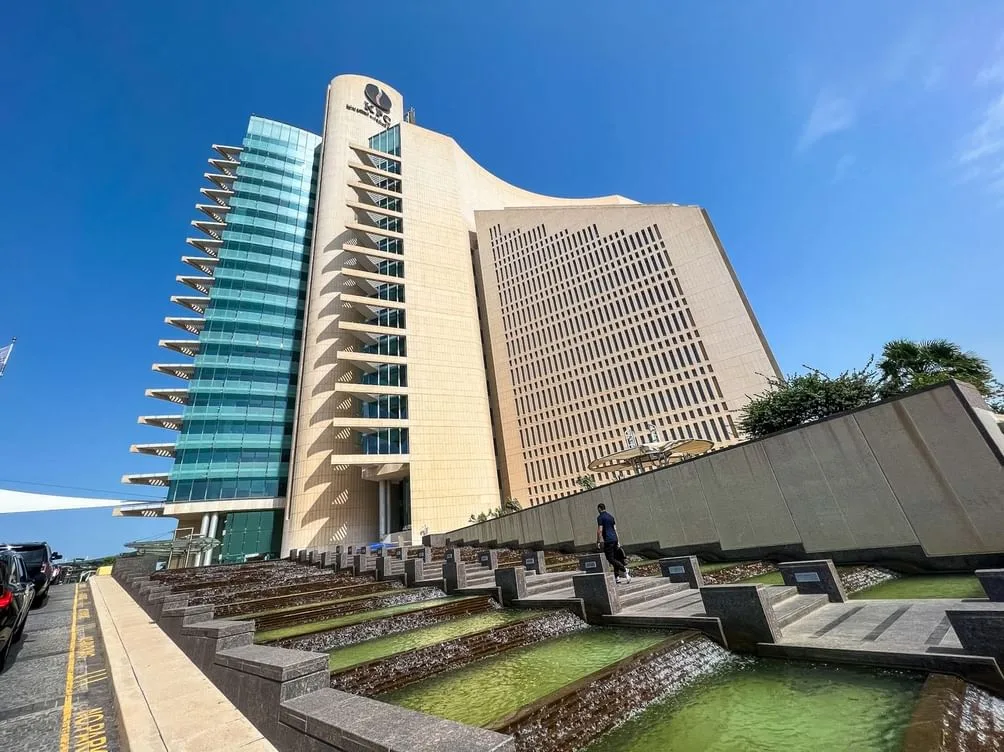
Kuwait Petroleum Corporation (KPC) announced that Mina Al-Ahmadi Refinery, operated by Kuwait National Petroleum Company (KNPC), came under drone attack in the early hours of Friday, causing fires in several units with no injuries reported in preliminary assessments.
Emergency response and firefighting teams were immediately deployed to contain the situation, while a number of refinery units were shut down as a precautionary measure to ensure the safety of personnel and the security of the facility.
Saudi Arabia’s Ministry of Defence announced that five drones were intercepted and destroyed over the Eastern Region, according to spokesman Major General Turki Al-Malki.
Bahrain’s Defence Force announced that its air defense systems have intercepted and destroyed a cumulative total of 139 ballistic missiles and 238 drones targeting the kingdom since the onset of Iranian aggression.
The General Command condemned the strikes on civilian areas and private property as a flagrant violation of international humanitarian law and the UN Charter, warning that such indiscriminate attacks pose a direct threat to regional peace and security.
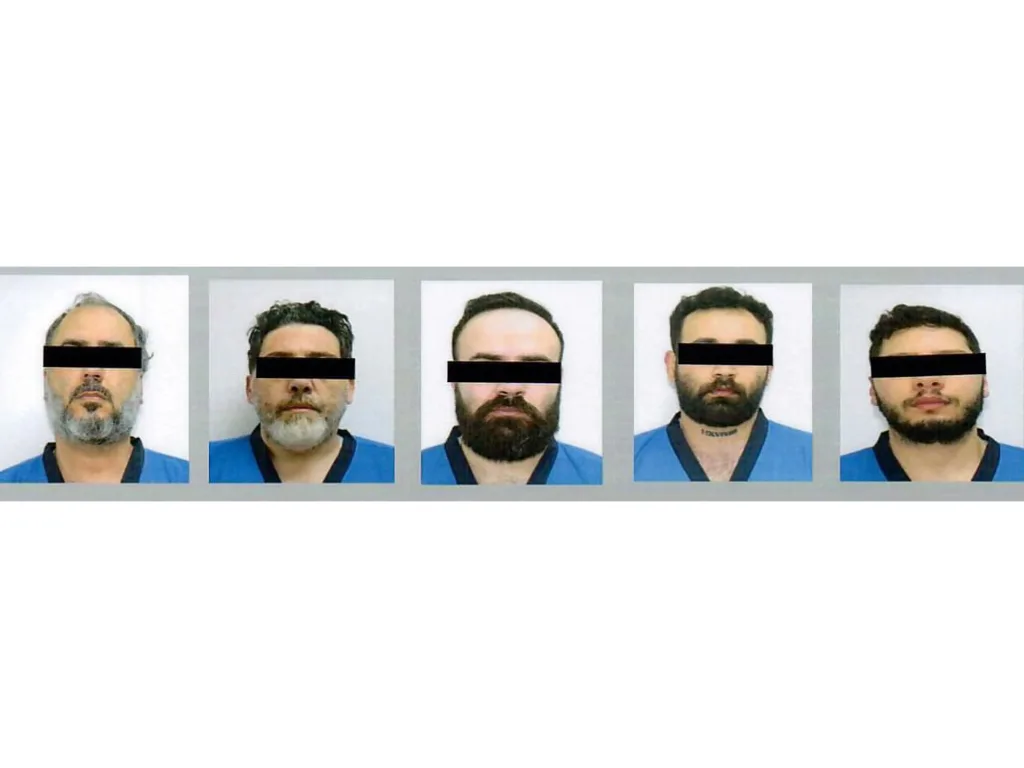
The UAE State Security Apparatus (SSA) has announced the dismantling of a terrorist network funded and operated by Lebanon’s Hezbollah and Iran, and the arrest of its members.
The network had been operating within the country under a fictitious commercial cover, seeking to infiltrate the national economy, launder money, finance terrorism, and carry out schemes threatening the country’s financial stability.
The SSA said the network operated according to a pre-established strategic plan in coordination with external parties linked to Hezbollah and Iran, in violation of economic and legal regulations.
The SSA warned that any attempt to exploit the national economy or civil institutions for terrorist or subversive purposes will be met with firmness, stressing that no external interference threatening the country’s security or stability will be tolerated regardless of its source.
Dr. Sultan Al Jaber, Minister of Industry and Advanced Technology and Managing Director and ADNOC Group CEO, has stressed that Iran’s aggression will not undermine the UAE’s resolve, reaffirming that the country is not a party to the ongoing war and has been “working diligently and very hard for diplomacy” to spare the region conflict.
In remarks to the Wall Street Journal, Al Jaber warned that by disrupting the Strait of Hormuz, Iran is waging a global economic war that would drive up inflation, slow economic growth, and raise the cost of living for families worldwide.
On ADNOC’s operations, he said: “Our operations have been impacted and we will continue to do everything possible to mitigate the situation as we assess, location by location, product by product and shipment by shipment. We will continue to act as a responsible, reliable energy supplier to the world.”
Al Jaber added that once the aggression concludes, “we will be in a position to quickly turn around and ramp up our production to go back and reach our capacities.”
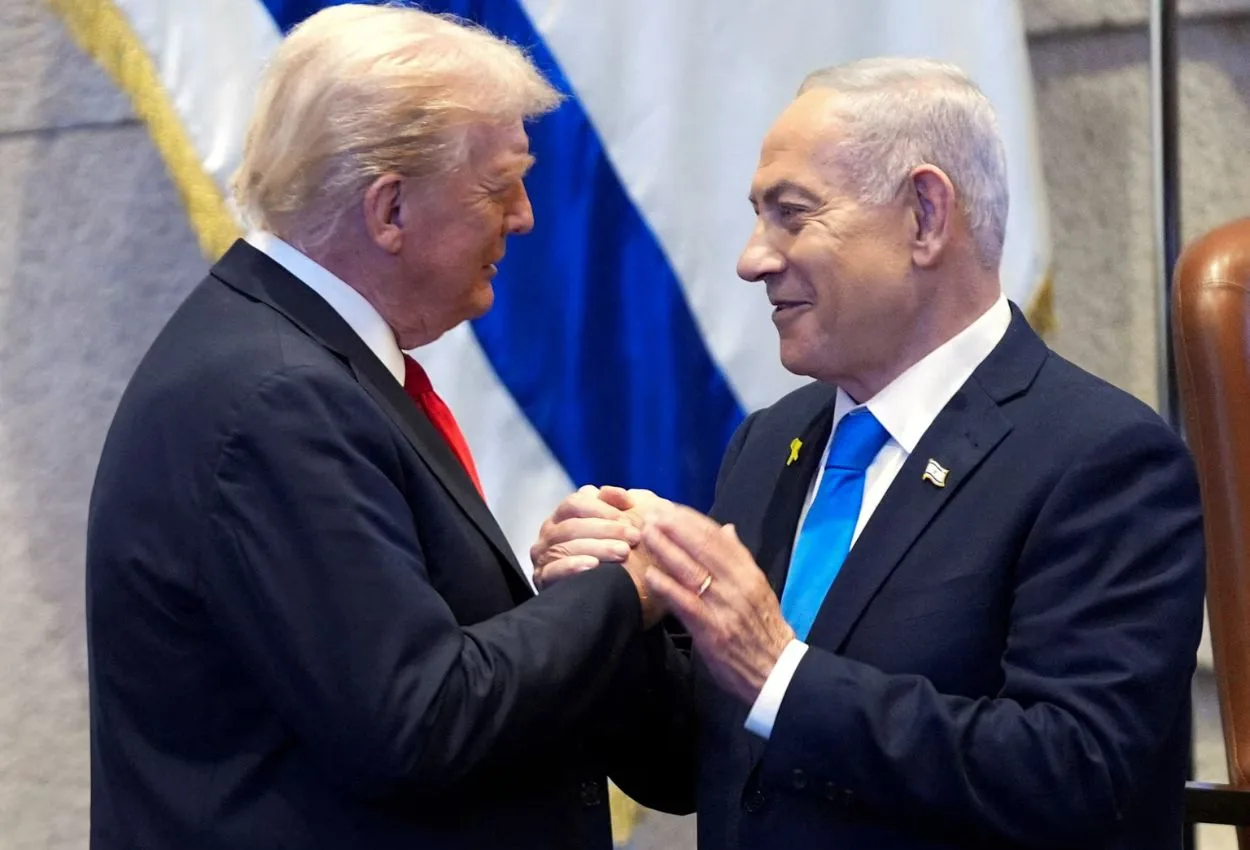
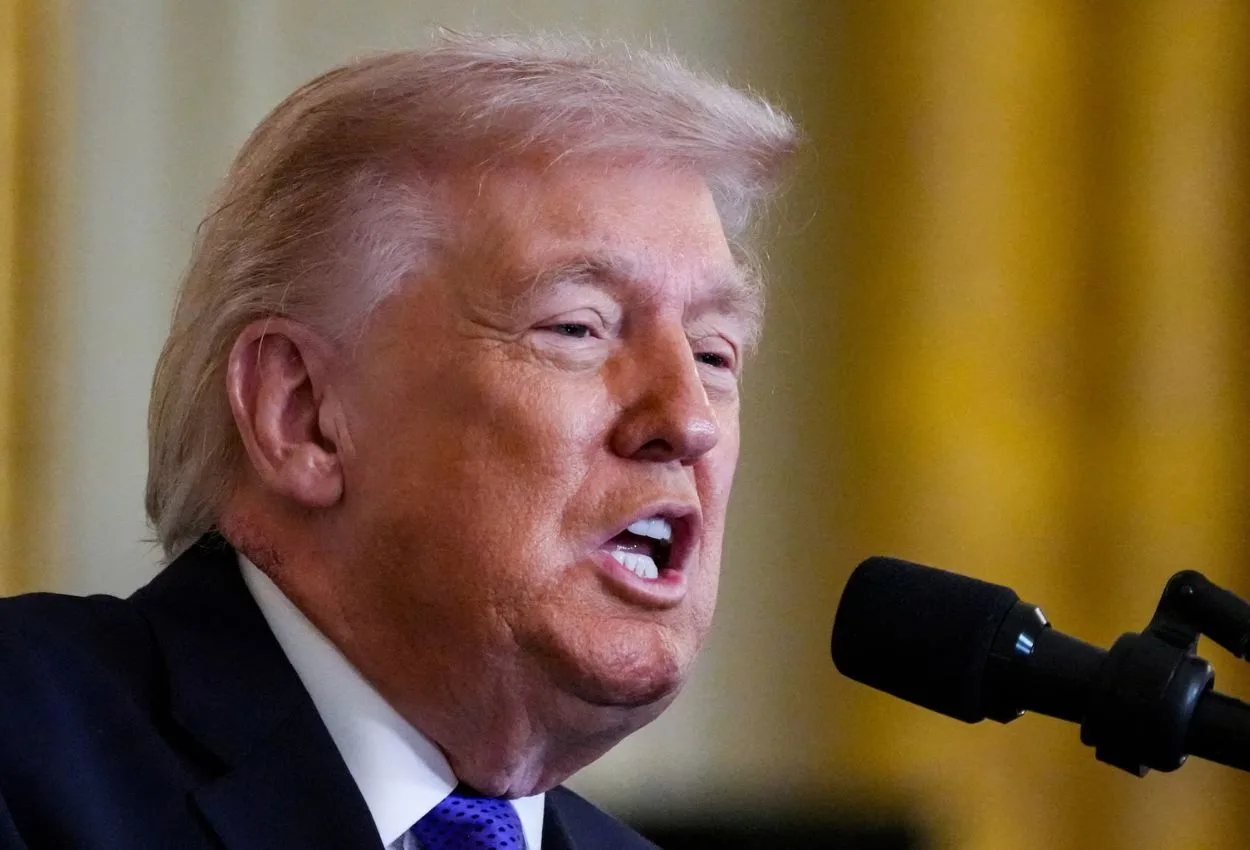
UAE President His Highness Sheikh Mohamed bin Zayed Al Nahyan received a phone call from US President Donald Trump to discuss regional developments and their implications for international peace and security.
The two leaders addressed Iran’s ongoing attacks on the UAE and other countries in the region, including strikes on civilians, civilian infrastructure, and vital facilities, noting they constitute violations of state sovereignty and international law.
President Trump condemned the attacks and reaffirmed US solidarity with the UAE and regional countries, pledging full support for their efforts to defend their territory, stability, and security.
Day 6 – US-Israel conflict on Iran: Fresh strikes on Tehran, UAE flight status, latest updates
Day 5 – US‑Israel conflict on Iran: UAE affirms right to self‑defence, latest updates
Day 4 – US-Israel strikes on Iran: Latest updates – everything you need to know
Day 2 – Israel-US strikes Iran: Latest updates
Day 1 – Israel launches ‘pre-emptive attack’ on Iran as explosions hit central Tehran

Subscribe to our free newsletter