
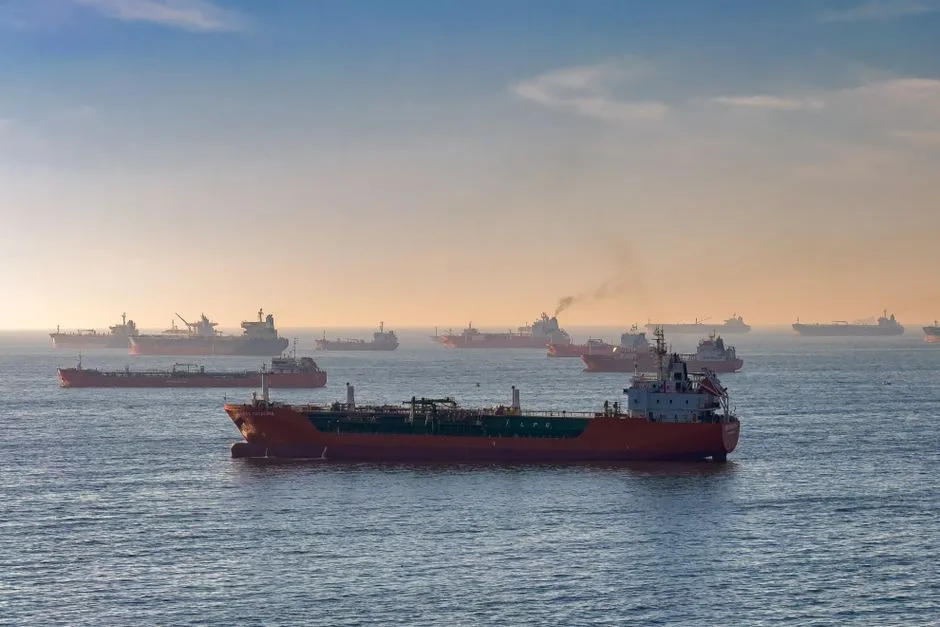
Oil prices edged lower on Monday after OPEC+ agreed to raise its production target for August, while exports from major Gulf producers through the Strait of Hormuz showed signs of recovery, raising the prospect of higher global supply.
Brent crude futures fell 24 cents, or 0.33%, to $71.88 a barrel by 0010 GMT, having closed up 0.45% on Friday. West Texas Intermediate dropped 11 cents, or 0.16%, to $68.58 a barrel. WTI had no Friday settlement, as US markets were closed ahead of Saturday’s Independence Day holiday.
Both benchmarks had been broadly flat the previous week, following a run of mostly lower sessions. Investors had been watching closely for any developments in US-Iran talks over shipping through the Strait of Hormuz, while also tracking the recovery in oil exports from Gulf states.
OPEC and its allies, including Russia, agreed on Sunday to raise output targets by 188,000 barrels per day from August. The move follows similar increases in June and July.
The production hikes have so far had limited real-world impact. The US-Israeli conflict with Iran had effectively shut the Strait of Hormuz to tankers belonging to major OPEC producers, including Saudi Arabia, Kuwait and Iraq, constraining their ability to ship. The current recovery in Hormuz transit flows is what may now allow those paper increases to translate into actual supply reaching global markets.