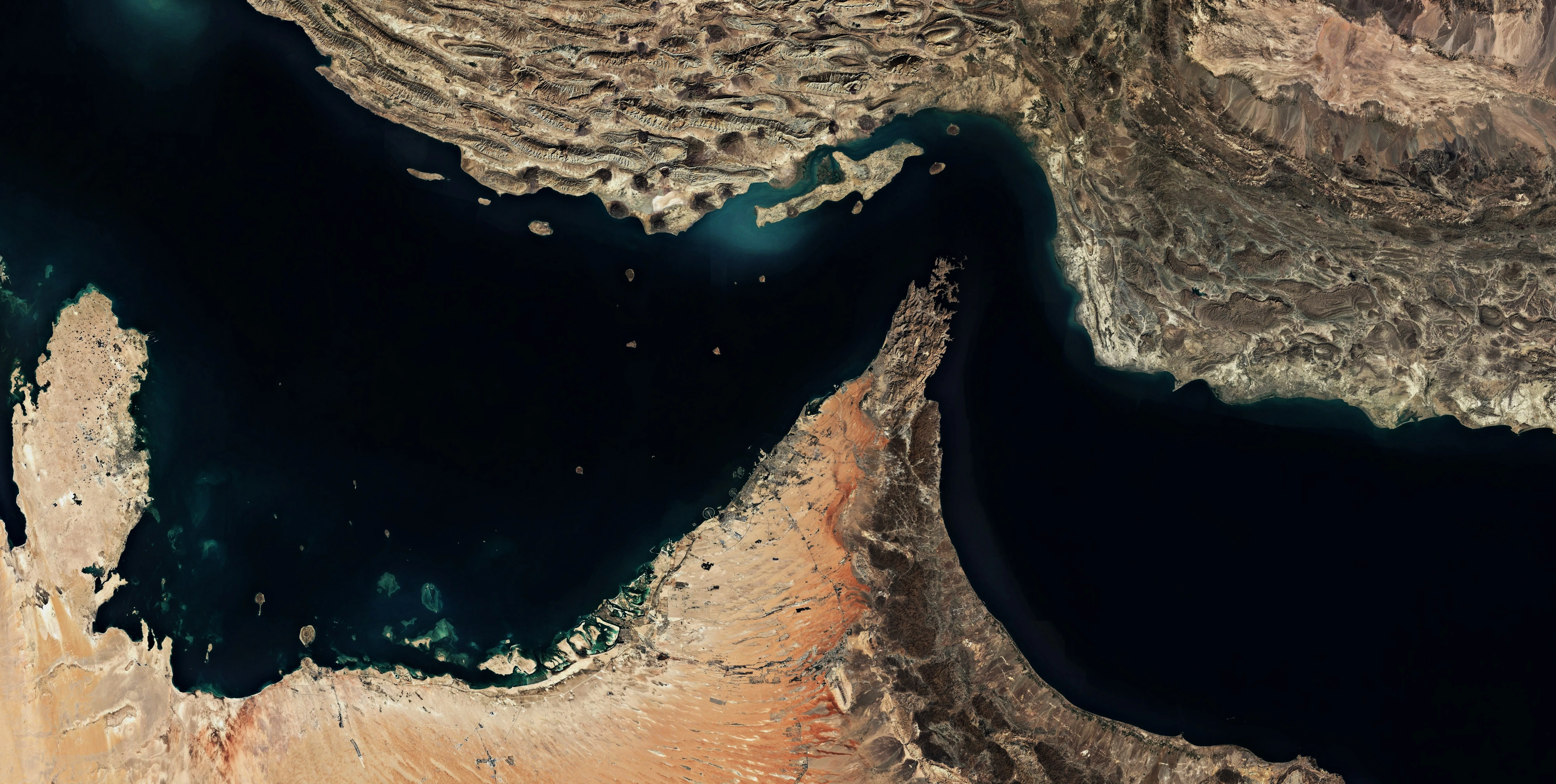
Global markets moved in favour of risk assets on Monday after US President Donald Trump confirmed that the Strait of Hormuz will reopen and the US naval blockade lifted, ending months of disruption to one of the world’s most critical energy corridors.
Brent crude fell more than 3 per cent toward USD 84 per barrel. West Texas Intermediate traded near USD 81. Equity futures advanced as investors took the announcement as confirmation that the worst-case scenario for global energy supply had been avoided.
Oil had already drifted lower in recent weeks as diplomatic signals accumulated, but Monday’s announcement accelerated the decline. The Strait has been a dominant driver of market volatility since February, when concerns over shipping routes and energy security began feeding through across asset classes.
“Markets have been waiting for this news for months, and the relief is already showing across asset classes. The confirmation that the Strait of Hormuz will reopen and the US naval blockade will be lifted removes one of the biggest geopolitical risks hanging over global markets, which is why we’re seeing oil prices fall and risk assets move higher. The reopening of this critical shipping route takes a significant risk premium out of oil prices at a time when investors have been closely watching energy markets for signs of disruption. Lower energy costs can help ease inflationary pressures globally, which is supportive for both consumers and businesses and provides a positive backdrop for equities,” Josh Gilbert, Lead Analyst, Middle East at eToro said in a statement.
“That said, investors should be careful not to get carried away by today’s market reaction. The agreement is not due to be formally signed until June 19, and recent months have shown how quickly geopolitical developments can change. While the outlook has improved considerably, there is still a difference between optimism and certainty. For global investors, a sustained decline in oil prices would be a welcome development, particularly with a busy week of central bank decisions ahead. A resolution to the conflict would remove a major tail risk that has weighed on global growth expectations throughout the year. However, markets are likely to remain sensitive to further developments until the agreement is formally signed and implemented,” he added.
The timing matters for central banks. A sustained fall in oil prices would reduce one of the more stubborn inputs to headline inflation heading into what Gilbert described as “a busy week of central bank decisions.” A durable resolution in the Middle East would also remove a tail risk that has dragged on global growth forecasts for much of the year.
For now, markets appear willing to price in progress. Whether that confidence holds depends on what happens on June 19.