Iran and the United States concluded a round of indirect talks in Doha on Wednesday with no sign of meaningful progress, as negotiators spent two days revisiting issues that were expected to have been settled weeks ago.
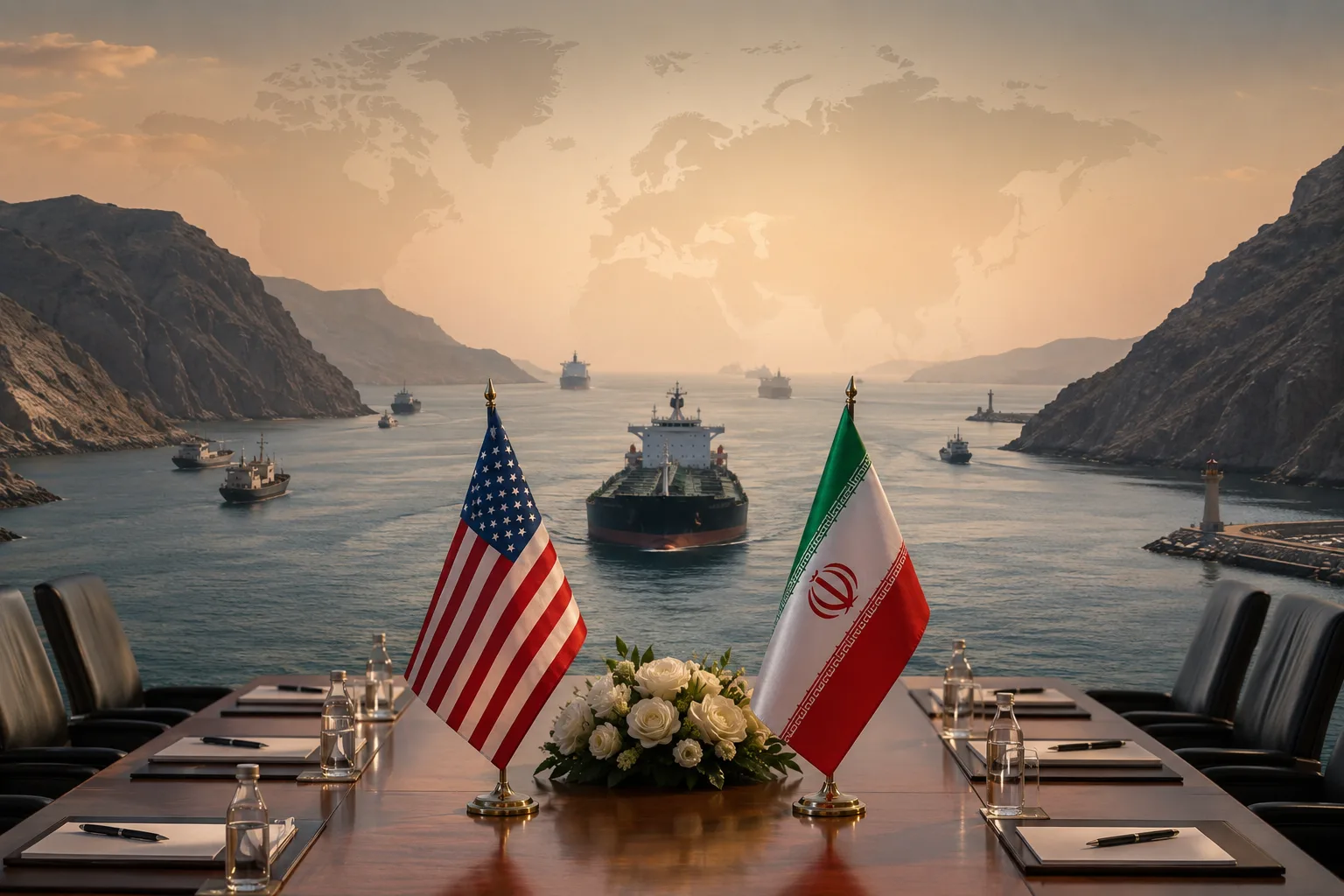
According to sources, the two sides focused their discussions on maritime navigation through the Strait of Hormuz and financial incentives for Iran — both elements of a preliminary agreement signed in June — rather than advancing to the more difficult topics that framework was supposed to open the door to.
The Qatari foreign ministry said the next meeting would be scheduled “as soon as possible” after the funeral processions for Iran’s former Supreme Leader Ali Khamenei conclude on 9 July. A ministry spokesperson said on X that the Doha talks had produced “positive progress” on matters related to a memorandum of understanding signed in Islamabad last month, building on earlier discussions held in Switzerland.
In Washington, President Donald Trump told reporters the two sides were making headway on potential restrictions to Iran’s nuclear programme — the stated reason he launched military action in February. “The denuclearisation of Iran is going very well,” he said. “They had very good meetings. We’ll see what happens.”
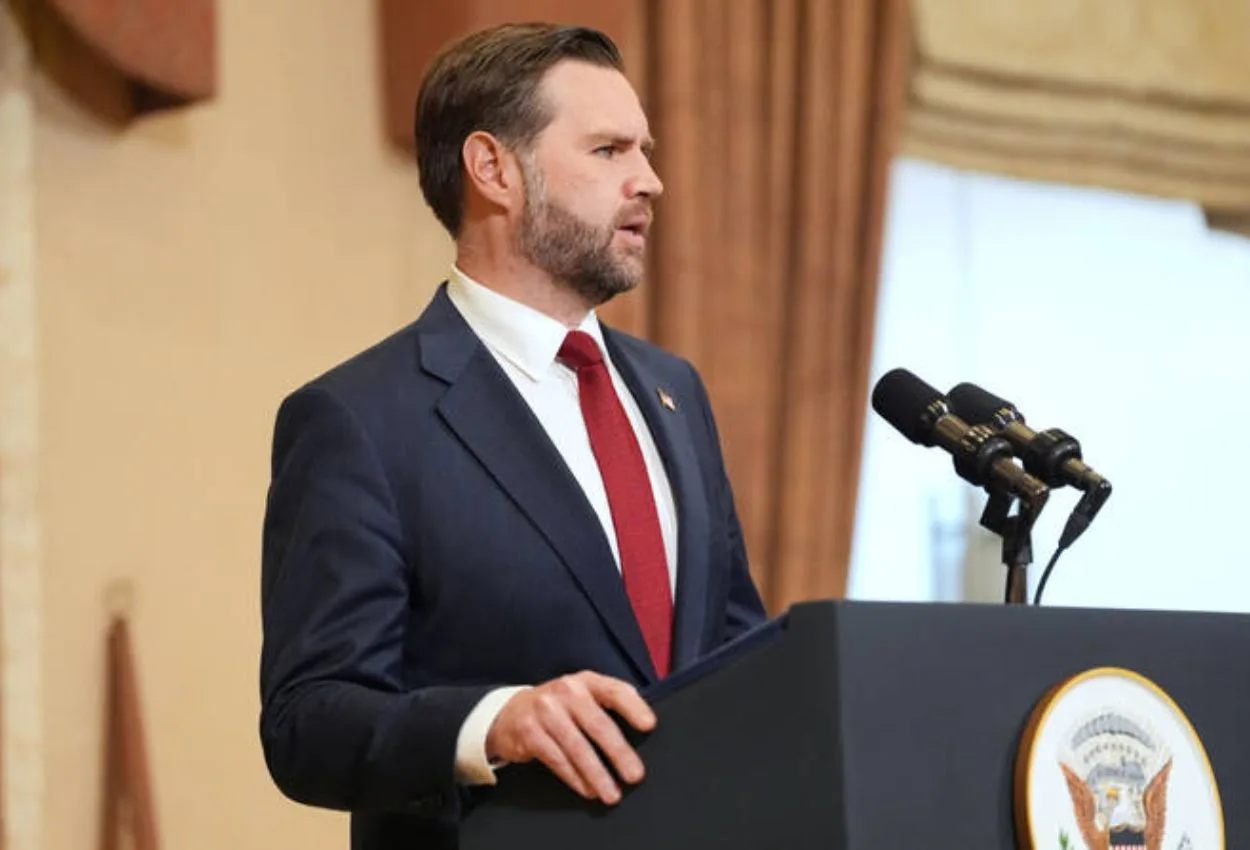
Sources said the nuclear programme was not discussed in Doha, where talks were described as technical in nature. Vice President JD Vance acknowledged as much, telling reporters: “Obviously we’re concerned about the nuclear issue, and we’ll start talking about that.”
Jared Kushner, Trump’s son-in-law, and senior envoy Steve Witkoff — both sent to the region for what the White House called “high-level talks” — did not attend the sessions, according to a source who spoke on condition of anonymity. Iranian deputy foreign minister Kazem Gharibabadi, who led the Iranian delegation, confirmed the talks had concluded. Neither side indicated whether the gap between their positions had narrowed.
The Strait of Hormuz remains a central sticking point. The preliminary agreement commits both countries to allowing shipping to resume through the waterway, which before the war carried a fifth of global oil and liquefied natural gas supplies. Navigation has partially resumed, but the strait’s status remains unsettled. Earlier this week, the two countries exchanged strikes following an Iranian attack on a cargo vessel.