
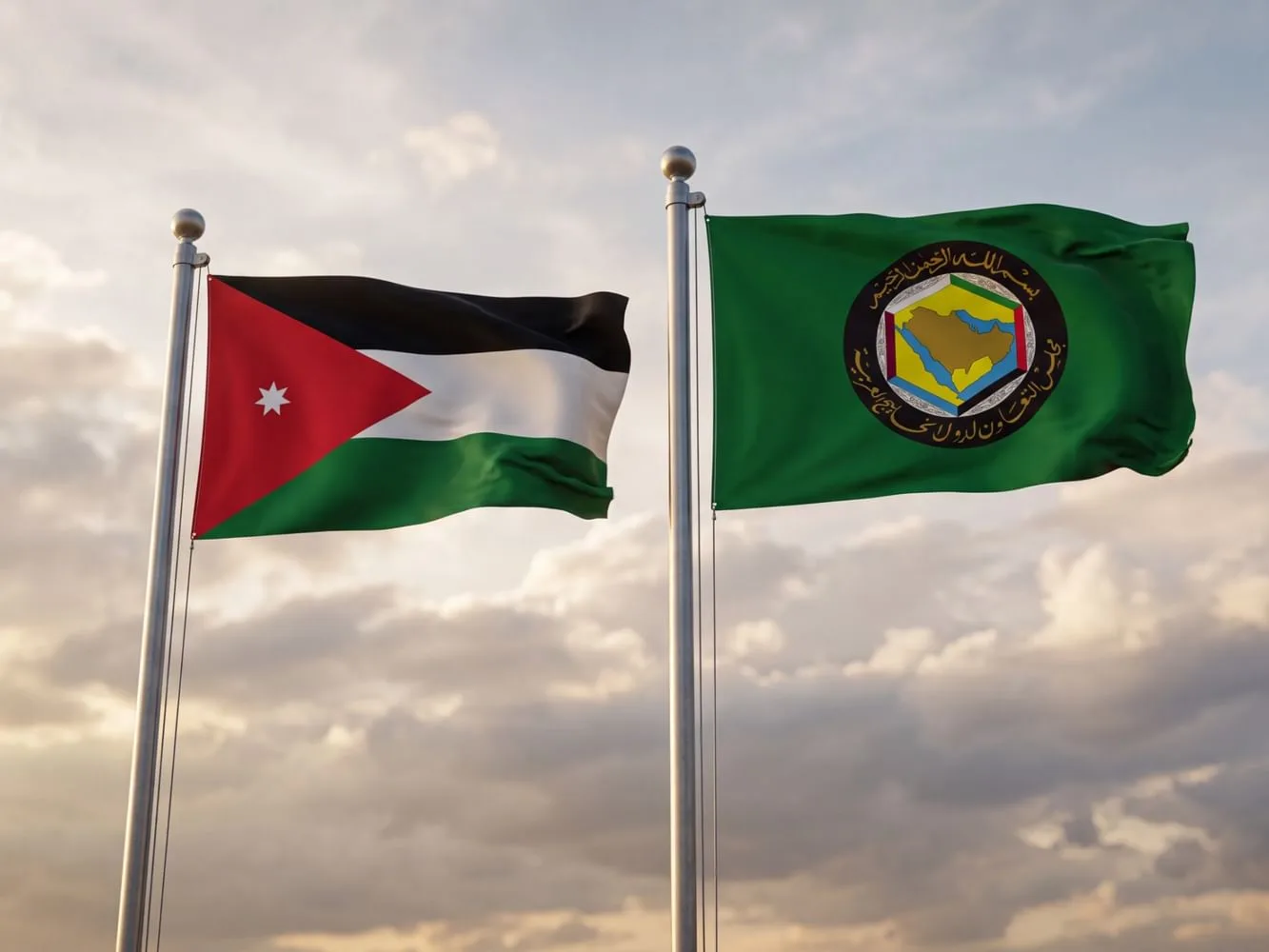
The Gulf Cooperation Council states and Jordan have jointly condemned what they describe as ongoing Iranian aggression carried out through proxy forces, affirming their right under the UN Charter to defend themselves individually or collectively.
In a joint statement, the GCC and Jordan said attacks on their territories, citizens and civilian infrastructure have continued since 28 February 2026, despite a memorandum of understanding signed between the United States and Iran on 17 June. The strikes have been concentrated on Bahrain, Kuwait and Jordan, and have targeted energy facilities, water desalination plants, ports, airports and other civilian sites.
The statement described the attacks as clear acts of aggression in violation of the UN Charter, international law, international humanitarian law, and UN Security Council Resolution 2817 (2026), as well as the explicit commitments Iran made under the memorandum of understanding.
The countries affirmed their right to self-defence under Article 51 of the UN Charter and to take all necessary legal measures to protect their sovereignty, territory, citizens, commercial vessels and critical infrastructure.
They called on the UN Security Council to issue an urgent resolution demanding an immediate halt to the attacks, recognising the right of affected states to defend themselves, and directing the Council to consider additional measures if the attacks persist.
The statement also welcomed a decision by the Iraqi prime minister to consolidate weapons control under state authority by 30 September 2026, and expressed support for Iraq’s government taking firm action to prevent Iran-aligned factions and armed militias from continuing to launch attacks on regional states.
The countries reaffirmed their commitment to freedom of navigation through the Strait of Hormuz and the Bab al-Mandab strait, expressing readiness to work with regional states and the International Maritime Organisation to establish lasting arrangements for regional security in line with international law.