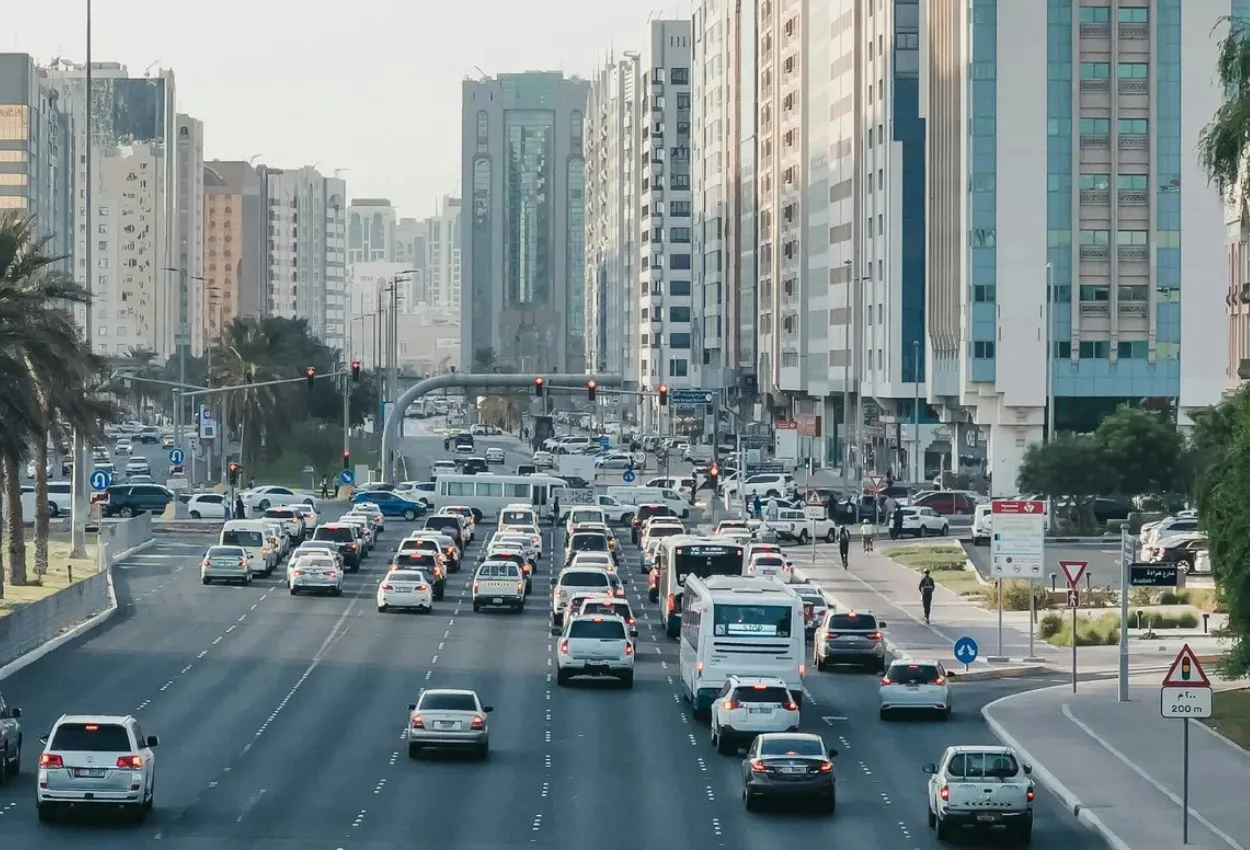
A nine-hour daily driving limit will apply to all UAE motorists from January 1, 2027, under new federal traffic regulations. The rule, set out in Article 7, paragraph 2, of Cabinet Decision No. 174 of 2026, covers private drivers as well as professional ones and gives the Federal Traffic Council authority to revise the limit in future.
The nine-hour ceiling operates alongside a separate prohibition. A driver whose fatigue affects their ability to drive safely must stop, even if they have not yet reached nine hours. The two provisions are independent: hitting the time limit is not required for the fatigue ban to apply.
The regulations arrive against a documented safety problem. The Ministry of Interior recorded 20 traffic accidents attributed to driver fatigue and drowsiness across the UAE in 2025.
On October 29, Dubai Police issued a warning after a truck driver fell asleep at the wheel and struck a metal safety barrier on Emirates Road (E611) towards Abu Dhabi. He suffered minor injuries and was treated at the scene.
Brigadier Juma Salem bin Suwaidan, director of the General Department of Traffic at Dubai Police, urged motorists to rest adequately before setting off and to pull over when tired.
Road safety organisation RoadSafetyUAE notes that fatigue is especially dangerous because drivers often cannot accurately judge their own tiredness. It lists repeated yawning, sore eyes, slowed reactions, difficulty holding the head upright, lane drift, fluctuating speed, and an inability to recall the last few kilometres as warning signs.
The organisation recommends seven to eight hours of uninterrupted sleep before a journey and a 15-minute rest break at least every two hours. It cautions that music or fresh air provides only short-term alertness benefits and that sleep is the only effective remedy for fatigue.