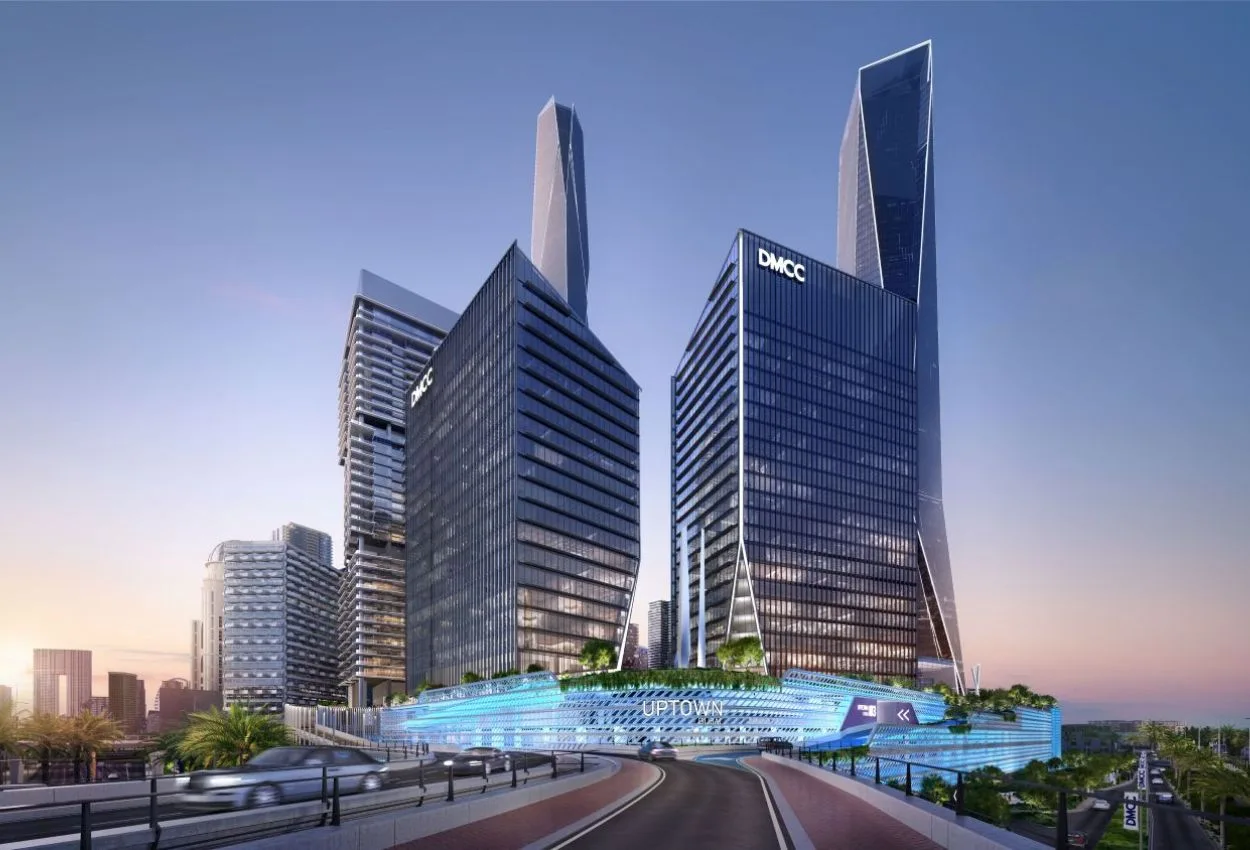
Dubai Multi Commodities Centre has launched DMCC Cyber, a dedicated cluster for the cybersecurity sector, as part of a wider restructuring of its technology offering under a new umbrella platform called DMCC Tech.
The announcement comes as the number of technology companies registered at DMCC has surpassed 4,000, making tech the free zone’s largest and fastest-growing sector. DMCC Cyber already counts more than 200 member companies, serving businesses operating across cyber resilience, digital trust, data protection, identity management, governance, risk, and compliance.
DMCC Tech brings together the free zone’s specialised tech clusters under one structure. DMCC Cyber joins existing hubs for artificial intelligence, crypto, and gaming, with DMCC Quantum set to follow. Together they connect member companies to DMCC’s broader network of more than 26,000 member firms active in global trade, finance, commodities, and emerging technologies.
Ahmed Bin Sulayem, Executive Chairman and CEO of DMCC, said: “Technology is now the largest and fastest-growing sector in our free zone, reflecting Dubai’s position as a leading destination for innovation and high-growth companies. As this community has grown, so too has the need for more specialised platforms serving different parts of the technology economy. DMCC Tech brings these communities together in one ecosystem, while DMCC Cyber affirms the growing importance of cybersecurity as digital business becomes more sophisticated and more expansive.”
Member companies already operating within the platform include CrowdStrike, PwC, Cyberma, and FPT Software.
DMCC framed the distinction between general technology and cybersecurity as commercially meaningful: technology companies build the systems and platforms that move value and information across the digital economy, while cybersecurity companies protect that infrastructure. The new cluster is intended to reflect that separation within DMCC’s own membership structure.
DMCC Tech’s scope also extends to the space economy, with the free zone pointing to advances in satellite technology, earth observation, and space-derived data as areas shaping sectors from trade and finance to logistics and resource management.