The Dubai branded residence pipeline is set to grow by 80 per cent to reach 250 projects by 2030, according to data from VVS Estate.
The city has 140 branded residence projects already active, the highest number in the world. Savills’ Branded Residences 2024/25 Report shows the sector has grown by more than 180 per cent over the past decade, with over 700 completed schemes and another 790 in the pipeline.
The EMEA region accounts for 30 per cent of total supply. The Middle East represents 12 per cent of inventory and has supply projected to expand by 120 per cent by 2030.
Dubai branded residence pipeline reaches 250 projects as luxury market transforms
“Cross referencing these findings with Property Finder’s 2,300+ off-plan developments across the UAE further indicates that Dubai’s branded residences are projected to increase by 80 per cent, potentially reaching 250 projects by 2030,” Valentina Rusu, Founder of VVS Estate said in a statement.
Private-access launches shared with top-tier brokerages are driving the next phase. Palace Hillside in Dubai Hills Estate has been previewed to a select circle of industry leaders prior to announcement.
Property Finder data shows several schemes with confirmed delivery timelines. These include Address Residences The Bay (2026), St. Regis Residences Downtown (2026), Vida Residences Dubai Hills (2027), Palace Residences Dubai Hills (2028), Six Senses Dubai Marina (2028), and Address Residences Dubai Hills (2029).
Dubai shifts from branded residences to lifestyle ecosystems with wellness and workspace
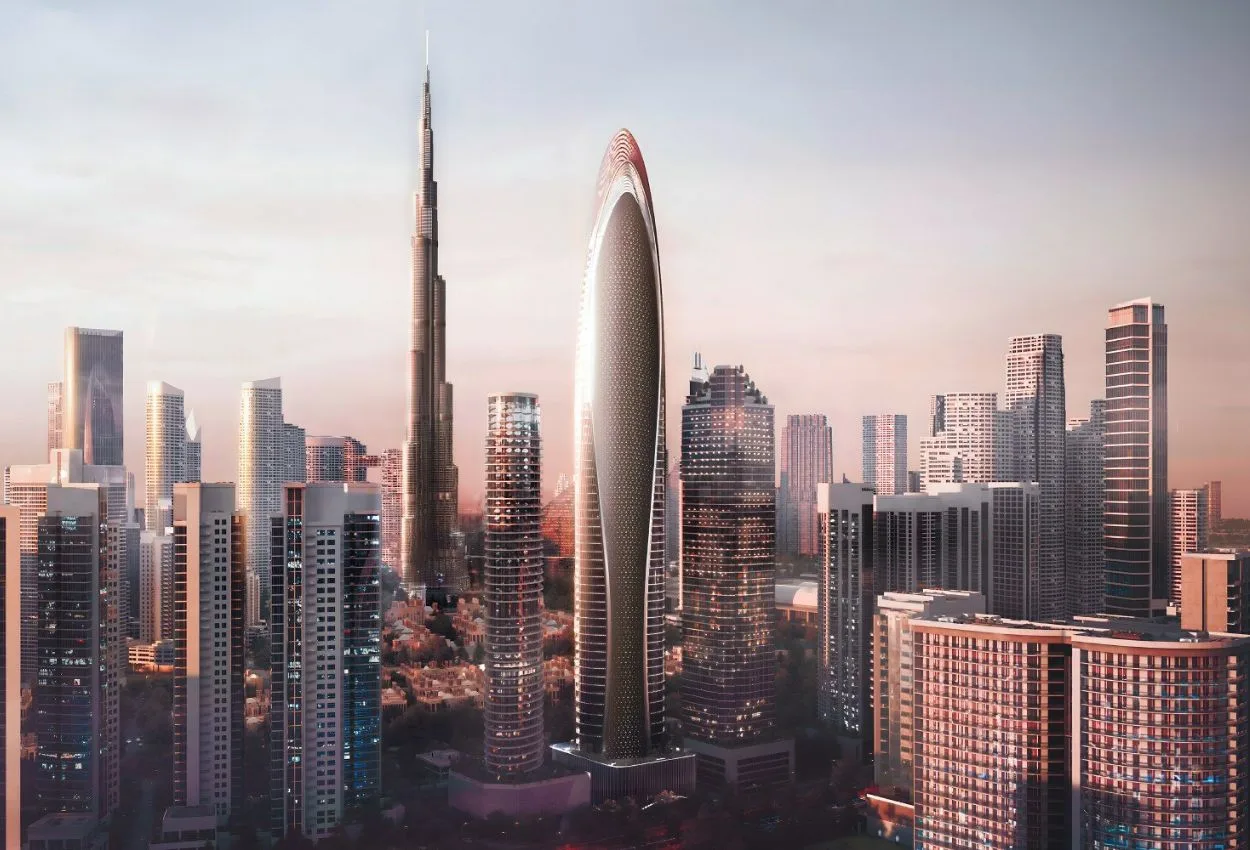
Projects such as Lumena Alta by Omniyat combine hospitality, living, wellness, and workspace. The 380-metre tower will feature a five-star sky hotel, wellness components, and commercial space.
“Branded residences go beyond luxury and sales; they represent value. Buyers are not just interested in purchasing a home, but investing in a lifestyle. The brand embodies a unique vision that leaves a lasting impact,” Rusu concluded.
The number of branded and hybrid projects could approach 400 schemes by 2035. The pipeline is expected to strengthen inbound investment and international demand across the MENA region.