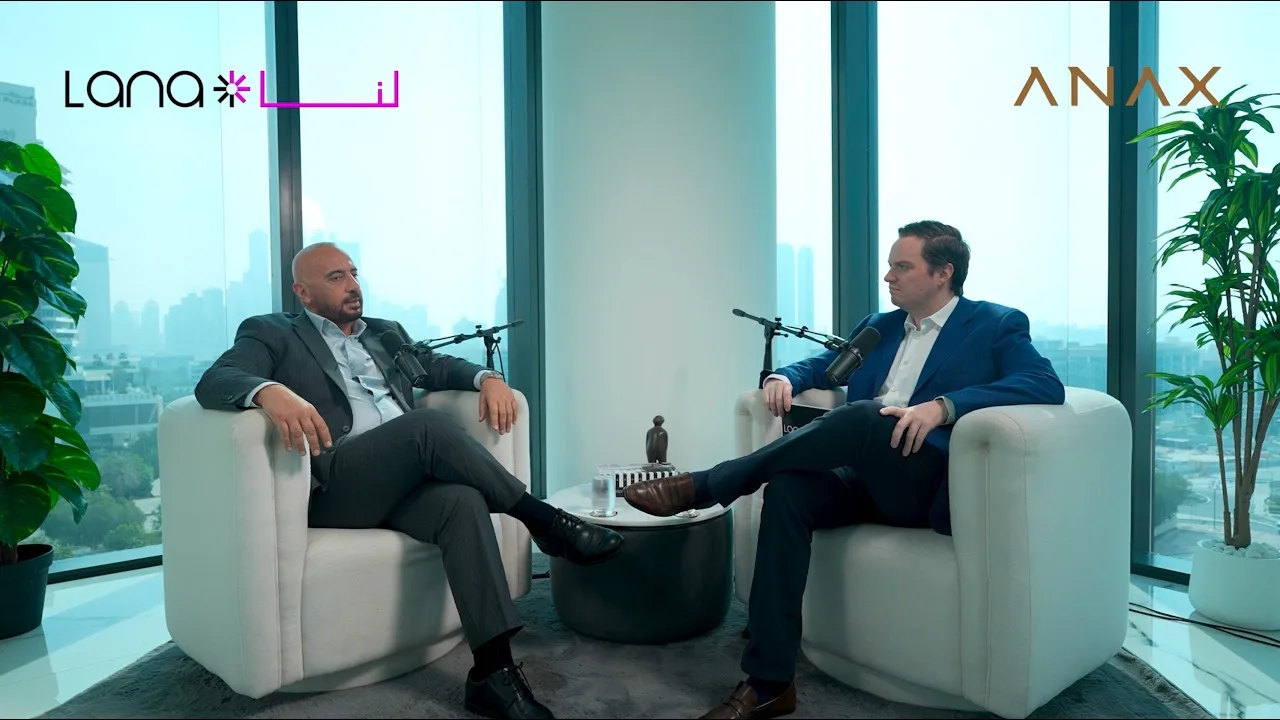
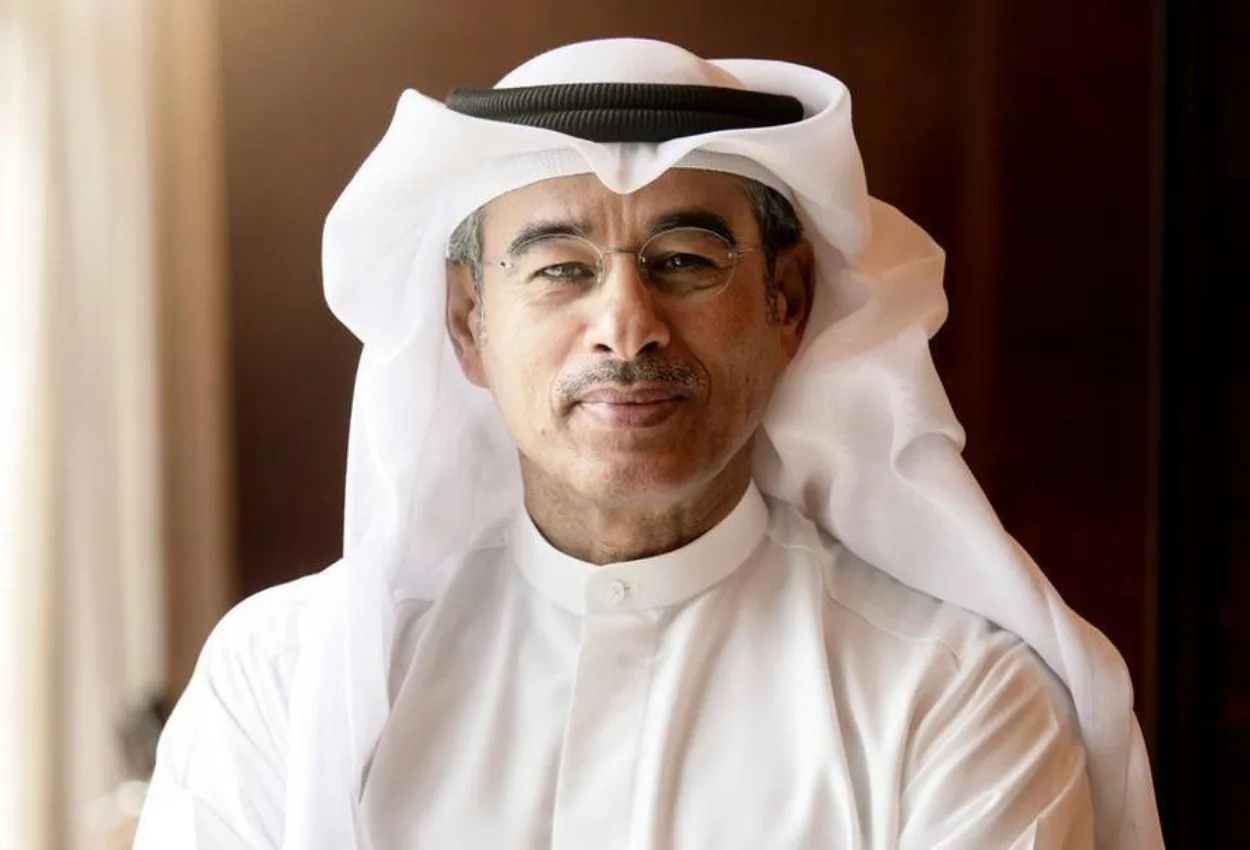
In an exclusive interview with Lana at the 2026 edition of Make it in the Emirates, Emaar founder Mohamed Alabbar shared the essence of his long-standing business experience, revealing the golden advice he wishes he had received at the beginning of his investment journey.
He also guided investors toward the safest choices in the UAE market, strongly warning against being deceived by appearances in the real estate sector.
During the exclusive interview, Alabbar summarised the secrets of success into three indispensable principles. The first principle focuses on attracting the best talent.
“The advice that I wish someone had given me is that I should have the best people to work with me. And when I bring the best people to work with me, and after they prove that their work is good, I give them a small percentage of the company. Because a good person is hard to find, so if you find one and they prove themselves for a year and work well with you, you give them a share of the company or at least a percentage of the profit if you don’t want to give them a share of the company,” the Emaar founder said.
He emphasised on the necessity of rewarding them once they prove their worth, noting that good people are hard to find. He advised that if you find the right person and they prove themselves over a year, you should give them a small share of the company or at least a percentage of the profits.
The second principle is tied to relentless hard work, day and night, combined with the flexibility to accept that sometimes you might not succeed and will need to change your path entirely.
“The second thing is that success requires hard work day and night. Sometimes you might succeed, and sometimes you might not and have to change your path. These are two very important principles in work,” he explained.
His third principle corrected a common misconception about “brand value.” Alabbar asserted that true brand value is simply the mastery and quality of the product or service provided to the people. He noted that with this foundation of quality, you can easily compete with anyone.
When asked by Lana for advice on investing in the Emirates, specifically regarding the real estate sector, Alabbar offered a firm recommendation: buy only from reputable, well-known companies with a solid track record of productivity and good work. He strongly cautioned investors against falling for “flashiness.”
Alabbar sharply criticised the ostentatious displays some real estate companies use to attract clients, such as flaunting fancy watches, driving Rolls-Royce cars, showing off yachts, or taking trips to Monaco.
“Regarding real estate, my advice is to buy from reputable companies, buy from well-known companies. And don’t let the flashy talk get to you. There’s a lot of flashiness in real estate companies – someone wearing a fancy watch, driving a Rolls-Royce, making an advertisement, having a yacht, going to Monaco. Don’t believe this talk. This is all flashiness. Or someone who puts up a huge billboard with the project’s name,” he said.
He described this type of excessive marketing as being akin to “cheating” in his humble opinion. He also mocked the use of massive billboards on the streets, considering them a sign of desperation that essentially screams to the public: “I can’t sell, please come to me.”