The UAE has launched the eATA Carnet system, making it the first country outside Europe to process ATA Carnets through a fully digital platform.
Dubai Chamber of Commerce, which has served as the national guaranteeing and issuing association for ATA Carnets since the UAE joined the scheme in 2011, is leading the rollout in coordination with UAE customs authorities and the International Chamber of Commerce (ICC).
“Dubai Chamber of Commerce has spearheaded the UAE’s ATA Carnet journey since 2010, driving the nation’s growth as a premier global hub for international trade, exhibitions, and major events. As the first chamber in the region to introduce the ATA Carnet system back in 2011, we are once again leading the way by championing the transition to eATA Carnet in close partnership with national customs authorities and the International Chamber of Commerce. This milestone marks a major leap in trade facilitation, delivering a faster, more transparent, and highly secure digital experience that streamlines customs procedures. It reflects our commitment to offering smart, integrated services that empower companies to expand globally, while further cementing Dubai and the UAE’s status as a leading global centre for trade and events,” Mohammad Ali Rashed Lootah, President and CEO of Dubai Chambers said in a statement.
The ATA Carnet is an international customs document that allows goods to cross borders temporarily without payment of duties, commonly used for trade exhibitions, professional equipment, and commercial samples. Since 2011, Dubai Chamber of Commerce has issued and received a total of 63,591 carnets covering goods and commodities worth AED 54.4 billion.
Out of 1,200 ICC-member chambers globally, only 13 have implemented the eATA Carnet. The transition removes paper-based documentation from the process, with the stated aim of accelerating border clearance and reducing costs for businesses moving goods temporarily across borders.
Ahead of the launch, Dubai Chamber ran a readiness programme that included technical coordination meetings with UAE customs authorities, online sessions connecting local officials with ICC experts, and hands-on training workshops. Pre-production testing was also conducted to validate different customs scenarios.
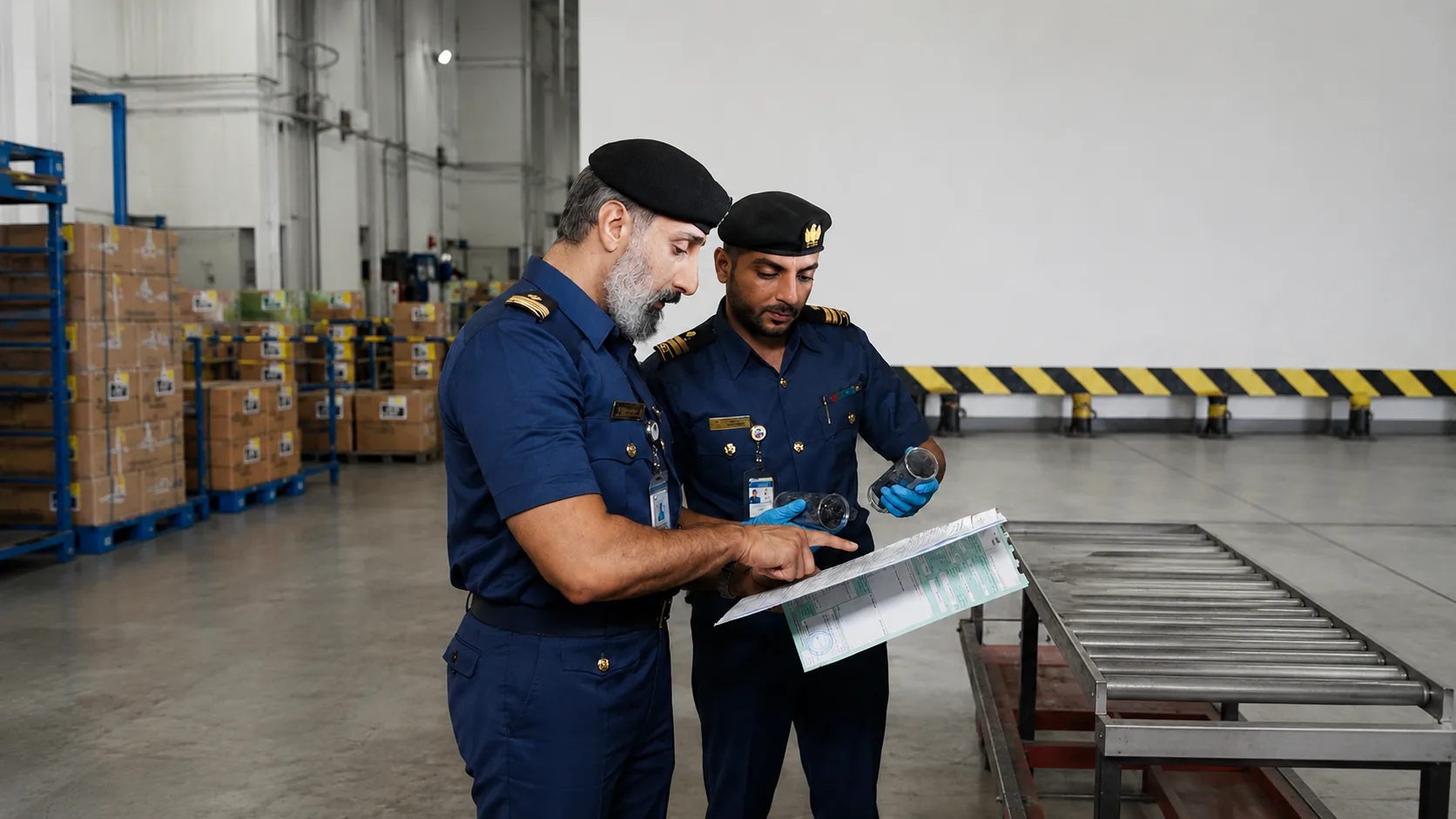
Ahmed Abdullah bin Lahej Al Falasi, Acting Director General of Customs at the Federal Authority for Identity, Citizenship, Customs and Port Security, said the system supports the UAE’s goal of building a fully integrated digital customs and trade ecosystem, adding that it would reduce reliance on paper documentation and cut the time, effort, and costs tied to the temporary admission of goods.