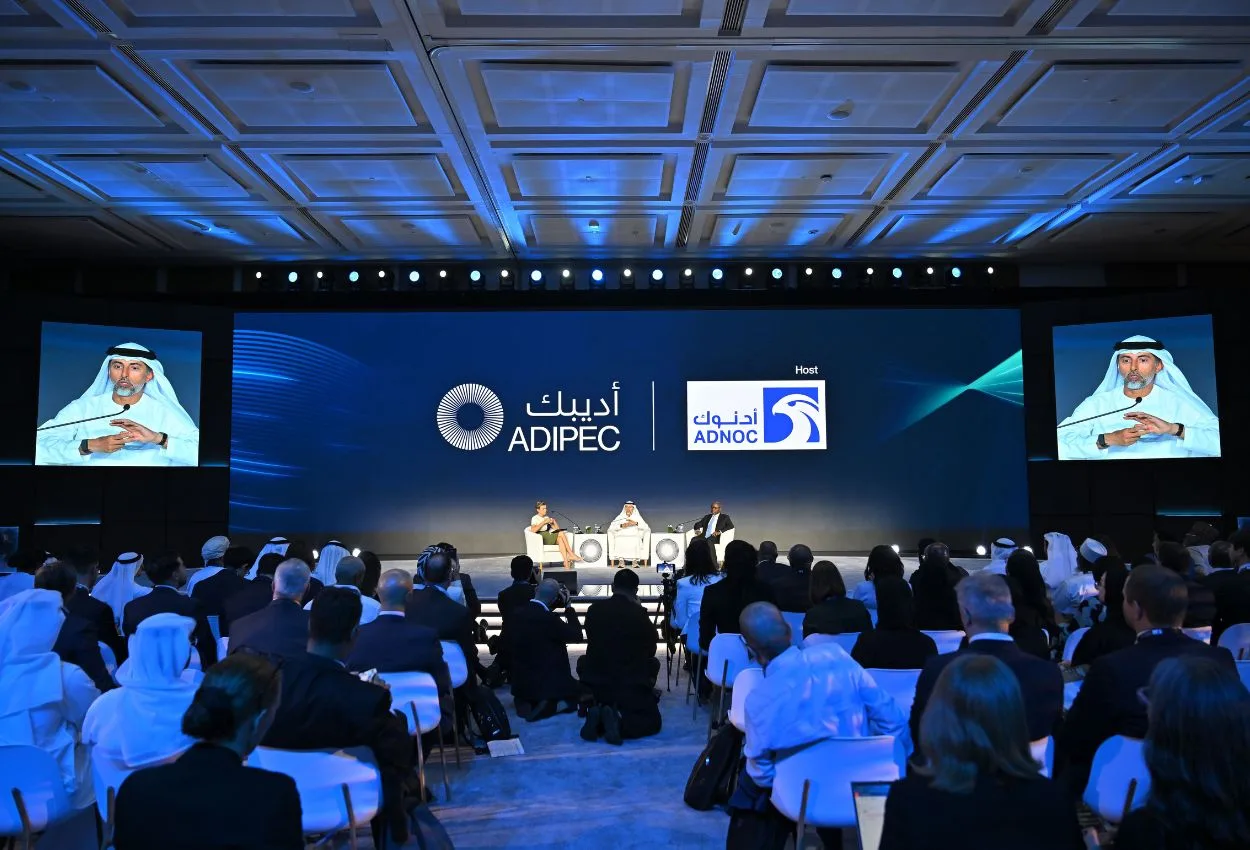
The UAE’s Minister of Energy and Infrastructure, Suhail bin Mohammed Al Mazrouei, used an ADIPEC 2026 ministerial panel to lay out the scale of the country’s energy ambitions: between AED150 billion and AED200 billion in planned investment by 2030, spanning generation capacity, electricity networks, storage, and integrated system operations.
Speaking under the session theme “Energy Security Is National Security: Building Resilient Supply in an Uncertain World,” Al Mazrouei positioned energy security as both an economic and strategic priority, shaped by geopolitical uncertainty, rising global demand, and the growing power requirements of AI infrastructure and data centres.
“Energy security is not simply about securing sufficient supplies,” he said. “It is about building an integrated, resilient, and competitive energy system that can support economic growth, protect essential services, and respond effectively to future challenges. Our priority is to make energy a lasting competitive advantage for the UAE by aligning investment with industrial development, technological advancement, and long-term sustainability.”
Clean energy accounted for 32.4% of UAE electricity generation in 2025, according to the Minister, against a national target of 35% by 2031. Renewable energy, nuclear power, and natural gas are intended to play complementary roles in maintaining supply reliability.
Al Mazrouei also addressed infrastructure resilience, stressing that physical security, cybersecurity, climate resilience, and business continuity must be embedded in energy planning from the outset rather than treated as secondary considerations. He pointed to coordination between government entities and energy operators as central to emergency preparedness and the protection of critical assets.
On the supply chain side, he called for investment in local manufacturing capabilities and specialised national talent, framing both as essential to reducing exposure to supply disruptions and price volatility. Greater flexibility across generation, storage, networks, and consumption patterns, he argued, would improve efficiency and support industrial competitiveness.
The Minister closed by reaffirming the UAE’s dual commitments to the UAE Energy Strategy 2050 and Net Zero 2050, describing continued investment in diversified sources and international partnerships as the path to meeting future demand and supporting industrial growth.