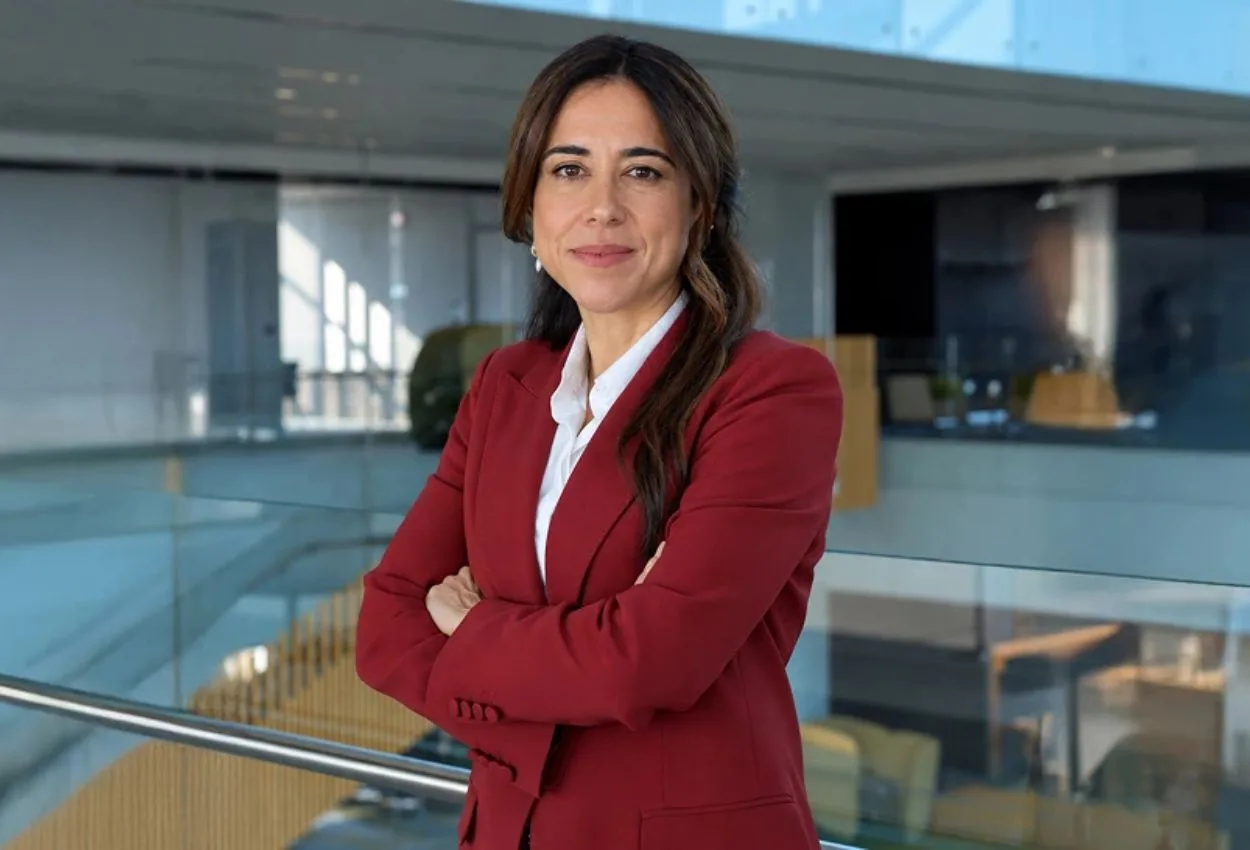
The UAE has formally nominated Lana Zaki Nusseibeh, Minister of State, as a candidate for Secretary-General of the United Nations.
Sheikh Mohamed bin Zayed Al Nahyan, President of the UAE, submitted the nomination in a letter addressed to the presidents of the UN General Assembly and Security Council, in line with the approved procedures for selecting the next Secretary-General.
Nusseibeh has taken a leave of absence from the UAE government to focus on her candidacy. “I have spent much of my professional life working in and around the United Nations, and I have seen first-hand what determined diplomacy can achieve,” she said on announcing her bid.
“I am standing to be Secretary-General because I believe this is a moment to act with greater urgency: to act earlier, bring people together across difference, and drive the work forward until it produces concrete results.”
She also set out the terms on which she would serve: “I wish to offer myself to this office as I would serve it: speaking frankly with every government and answering to none.”
Nusseibeh served as the UAE’s Permanent Representative to the United Nations from 2013 to 2024, including during the UAE’s 2022–2023 term as an elected member of the Security Council, which she twice served as President. She also served as Vice-President of the General Assembly and President of the Executive Board of UN Women.
Her Vision Statement, titled A United Nations for the Next Eighty Years, places peace and security at the centre of her programme. It argues the UN should pursue what she calls “first agreements” – humanitarian access, prisoner exchanges and local truces – backed by persistent diplomacy, rather than waiting for comprehensive political settlements.
She proposes that regional organisations and local mediators take the lead where they are best placed to do so, with the UN ready to work alongside them.
On institutional reform, Nusseibeh argues for an organisation that moves faster, reduces duplication and holds its programmes to account for results against cost. She would move leadership and resources closer to where they are most needed and require every major Secretariat programme to report what it achieved relative to what it spent.
Her development agenda focuses on nationally determined priorities, job creation and fairer debt solutions, with the UN’s convening role used to shape commitments for the successor framework to the 2030 Sustainable Development Goals. On human rights, she calls for consistent application of international law without double standards.
On artificial intelligence and biotechnology, she proposes early international cooperation before regulatory divisions harden, including voluntary incident reporting and broader participation from countries that use these technologies but do not build them.
Under the UN Charter, the Secretary-General is appointed by the General Assembly on the recommendation of the Security Council. The Security Council has been conducting informal straw polls, with the most recent held on October 16. The selection process is expected to continue in the weeks ahead, with the successful candidate set to lead the organisation from January 2027.