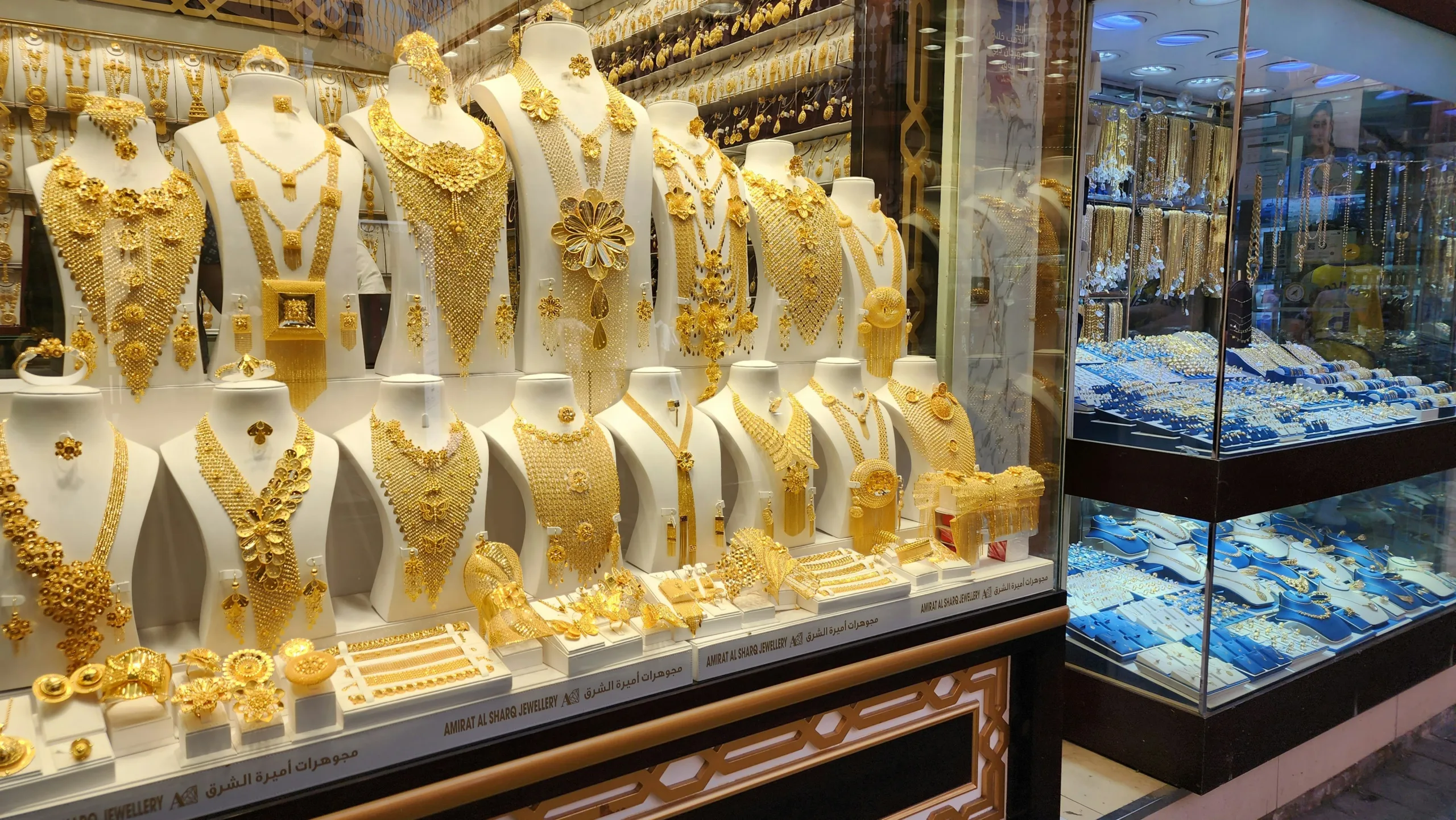
Gulf families are increasing allocations to haven assets such as gold and looking to technology to reduce exposure to disruption in shipping, travel and financial access as geopolitical tensions reshape investment decisions, according to Lombard Odier.
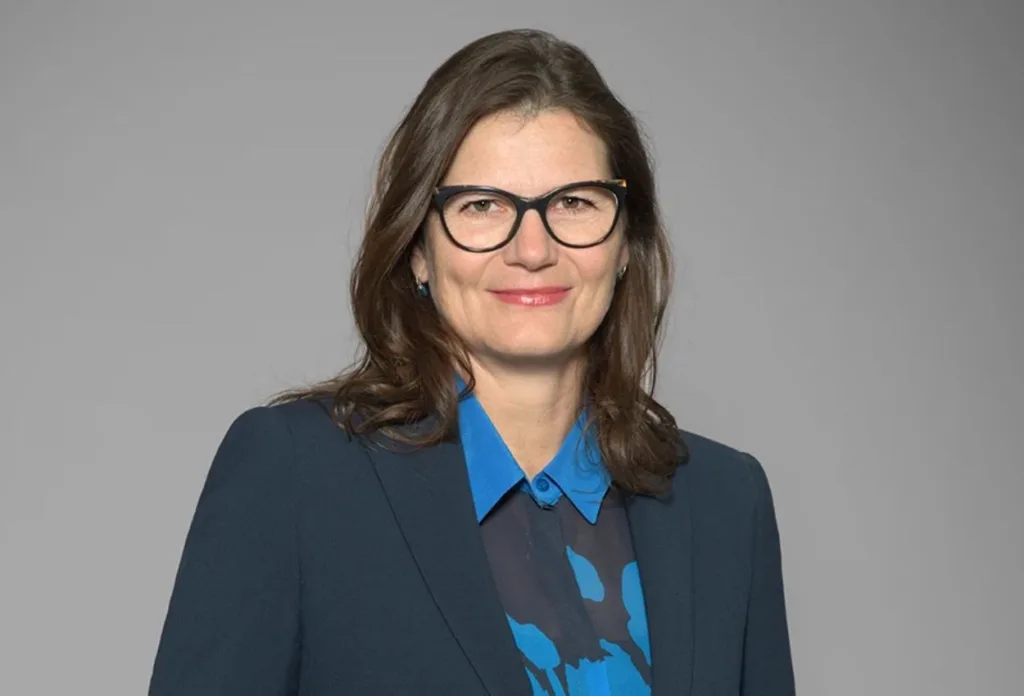
“The world has fractured and is undergoing a period of higher instability, not dissimilar to the 1970’s,” Nannette Hechler-Fayd’herbe, CIO EMEA and Head of Investment Strategy, Sustainability and Research at Lombard Odier said in an exclusive interview with Lana.
She said families have responded by allocating part of their assets to havens, with increased gold holdings one example.
However, Hechler-Fayd’herbe compared the risk of disruption to shipping and travel with the experience of the Covid pandemic, explaining it could create opportunities for local producers and supply chains that use technology to overcome disadvantages against international competitors.
Technology can also help address shipping and travel constraints and problems with financial access, she said. “Families therefore have an interest in keeping up with technological progress and applying it both to their businesses as well as ensuring adequate exposure in their investments,” Hechler-Fayd’herbe said.
Gulf families reassess liquid and illiquid assets
The geopolitical environment is also prompting questions over how Gulf families divide their wealth between liquid and illiquid assets. Hechler-Fayd’herbe said illiquid holdings often carry exposure to the Middle East, particularly through real estate, private equity and other private assets.
“Gulf families may want to rethink the breakdown of their assets between liquid and illiquid ones, which often have a strong regional exposure,” she said. “In geopolitically tense times, portfolio diversification and liquidity are protective investment principles.”
However, she said increasing diversification or liquidity during a conflict can be more difficult. One option is to allocate part of a portfolio’s liquid assets to sectors and markets that can act as hedges. Hechler-Fayd’herbe cited high dividend-paying companies, sustainable energy supply and infrastructure stocks.
UAE and Saudi companies beat earnings expectations
The reassessment of portfolios comes as listed companies in the UAE and Saudi Arabia continue to report earnings above expectations despite geopolitical pressures.
UAE companies have delivered earnings 7 per cent ahead of expectations, while companies in Saudi Arabia have beaten expectations by 4 per cent.
In Saudi Arabia, the energy sector is expected to account for nearly 90 per cent of earnings growth, supported by oil prices and increased utilisation of the Yanbu pipeline.
In the UAE, weaker energy earnings have been offset by loan growth in financials and performance in the real estate sector. Earnings expectations are likely to diverge through 2026, according to Hechler-Fayd’herbe. A faster normalisation of trade and energy flows could accelerate the recovery.
GCC bond spreads remain above pre-conflict levels
Credit markets have also reflected changes in geopolitical risk. GCC credit bond spreads widened by nearly 50 basis points from pre-conflict levels and reached a peak on March 23 before recovering in part following the April 8 ceasefire.
The escalation in July interrupted that recovery. Spreads now stand around 30 basis points below their peak but remain about 20 basis points above pre-conflict levels.
GCC corporate issuer bonds have shown more resilience than sovereign and quasi-sovereign issuers, supported by carry and lower sensitivity to rates, Hechler-Fayd’herbe said.
During periods of re-escalation, market-sensitive GCC US dollar corporate bonds remain the most exposed to spread widening. This includes high-yield real estate issuers.
Investment-grade sovereign and quasi-sovereign issuers are more resilient in the absence of disruption to regional energy infrastructure.
Oil prices remain a focus for investors
Oil prices, market volatility, business disruption and regional security remain linked in determining the outlook for investors.
“These topics are interlinked,” Hechler-Fayd’herbe said. “Regional security weighs on business sentiment and therefore affects the non-oil/services sector while business disruption is a risk in periods of re-escalation.”
Higher oil prices can support the energy sector in the short term, as reflected in Saudi energy results, but can create a longer-term challenge by encouraging consumers to speed up the development and use of alternatives to fossil fuels.
Oil prices also feed into inflation and affect the outlook for central banks around the world, she said.
From a global investment perspective, Hechler-Fayd’herbe said oil prices were likely to continue attracting most attention, particularly as market participants learn to interpret the approach of Federal Reserve chairman Kevin Warsh.
Lombard Odier stays invested in international markets
Lombard Odier’s clients in the Middle East are generally global investors and use the bank’s investment framework and asset allocation process, Hechler-Fayd’herbe said.
The Swiss private bank has remained invested in international markets throughout 2026 despite periods of market stress because economic and business fundamentals have remained intact.
Investors have therefore been able to participate in the corporate earnings cycle and the annual performance of financial assets. Hechler-Fayd’herbe said cash also serves a purpose outside investment portfolios.
Investors hold cash to manage periods of income volatility and to cover living costs and other operational needs. “This is a separate function played by cash. And for some clients in the Middle East exposed to income volatility in their businesses, raising cash holdings may sometimes have been necessary,” she said.
Private markets require liquidity planning
In addition, private assets remain part of the asset allocation of investors for whom illiquidity is suitable, Hechler-Fayd’herbe said.
Suitability depends not only on an investor’s tolerance for illiquidity risk, but also on circumstances such as exposure to income volatility and other factors affecting Middle East investors.
For families seeking to balance long-term exposure to private markets with the need for liquidity during periods of crisis, she said the answer lies in the advisory process.
“The response hence lies in a robust investment advisory process,” Hechler-Fayd’herbe said.