Abu Dhabi government entities have published detailed guidance for residents and businesses on how to prepare for and respond to adverse weather conditions, covering everything from securing outdoor furniture to handling electricity failures and blocked sewage systems.
The guidelines define adverse weather as periods of atmospheric instability that may produce strong dusty winds, heavy rainfall, hail, flash floods, coastal waves or fog.
For residents, the core advice centres on physical preparation before conditions deteriorate. Outdoor furniture, satellite dishes, children’s play equipment and garden decorations should be secured or removed.
Roofs, windows and doors should be insulated against water ingress, and drainage systems on rooftops must be kept clear to prevent flooding. Residents who depend on continuous medical devices are advised to register their condition with the TAQA Distribution system to ensure priority support during outages.
Drivers are told to use covered parking where possible, check tyres, brakes and windshield wipers before bad weather arrives, and park on elevated ground to avoid submersion.
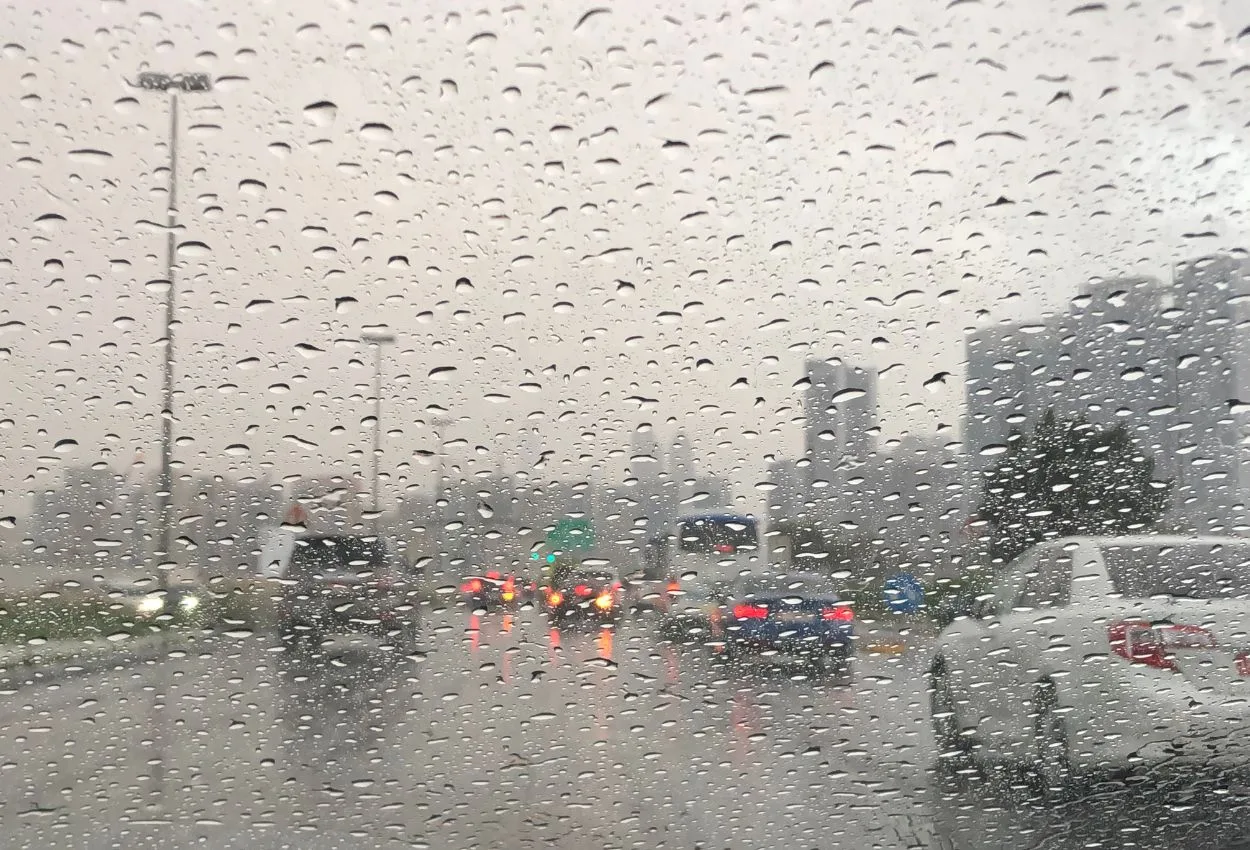
During heavy rain and thunderstorms, residents should avoid driving through flooded roads or valley streams, and stay away from downed power lines and metallic surfaces exposed to weather. In fog, drivers should observe variable speed limits, increase following distance, and avoid pulling over on the roadside – stopping instead in a designated safe area with hazard lights on.
For farms and livestock, the guidance includes securing barn doors, draining standing water to prevent mosquito breeding, storing feed in airtight warehouses, and contacting local municipalities if valley or stream water flows onto agricultural land.
Greenhouse operators are advised to turn on fans to reduce internal pressure, run water on cooling panels to limit dust entry, and avoid conducting maintenance work during storms.
Construction site operators must lower and secure cranes to the ground, enclose volatile materials and equipment, post warning signs near deep pits, and ban workers from elevated or exposed areas when weather warnings are issued. Commercial store and restaurant owners are told to close large umbrellas, move electrical appliances away from areas prone to water leaks, and unplug non-essential devices before storms.
In the aftermath of any weather event, residents should avoid walking through puddles, which may conceal holes and carry contamination, and should not consume any food that has come into contact with floodwater. Standing water should be treated as a mosquito and disease risk.
Key emergency contacts to know:
General emergencies: 999. Flooding, fallen trees, road collapses and landslides: 993 (Department of Municipalities and Transport). Sewage network failure: 028180000 by phone or WhatsApp (TAQA Water Solutions). Electricity emergencies: 991. Water supply emergencies: 992.
For traffic accidents without serious injuries, residents can report through the Saaed Smart app rather than calling 999.