Dammam has emerged as the standout performer in Saudi Arabia’s residential property market, with sales values jumping 71 per cent in the first quarter of 2026 to reach SAR3.6 billion, up from SAR2.1 billion in Q4 2025, according to new analysis from real estate advisory firm Cavendish Maxwell.
Around 2,900 homes changed hands in the city between January and March, a 41 per cent increase on the previous quarter and 25 per cent higher than the same period last year.
March alone recorded 1,265 transactions, the highest monthly total in Dammam so far this year. The company attributed this to resilient domestic demand, even as regional tensions weighed on market sentiment more broadly.
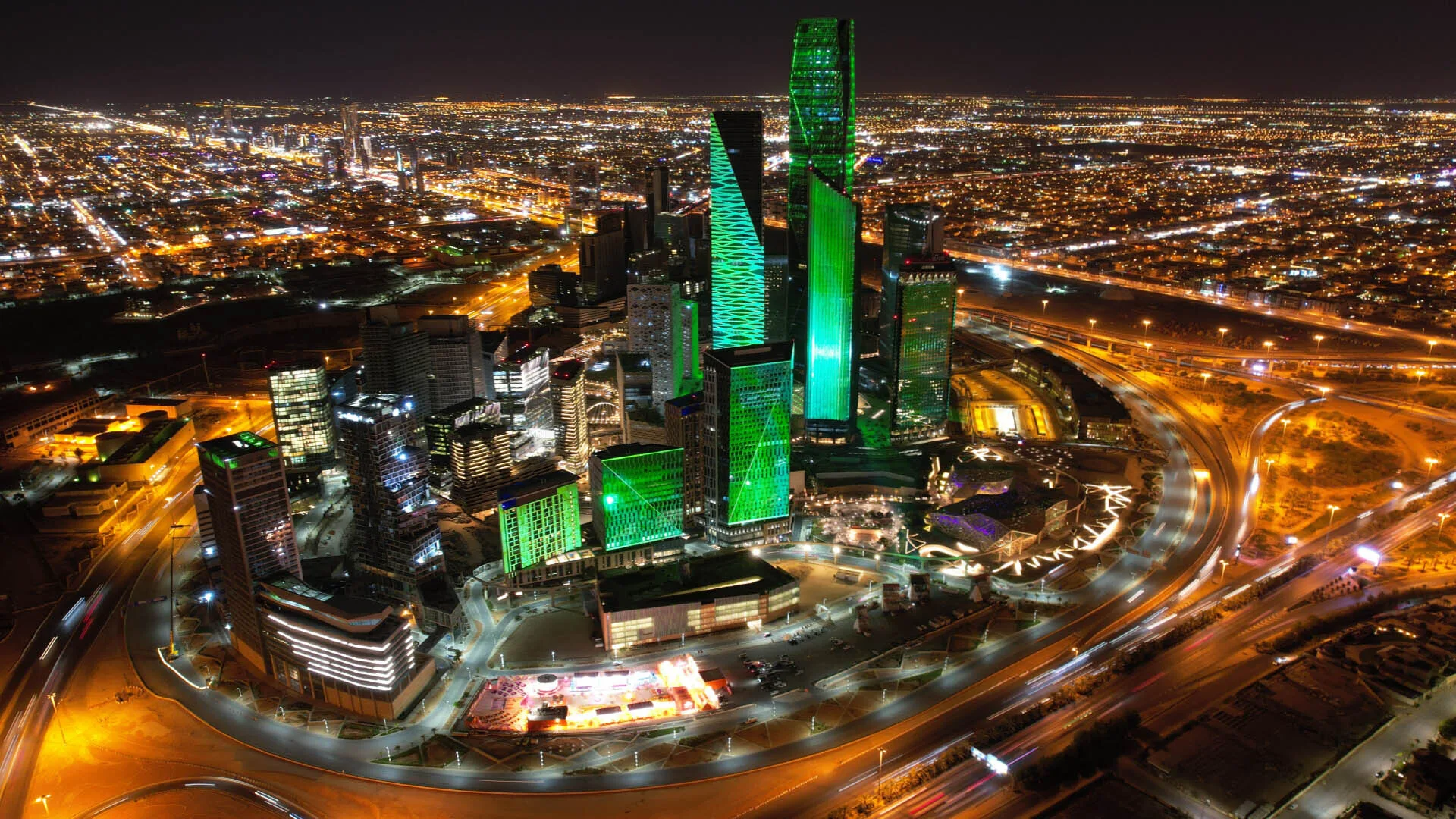
Riyadh told a different story. The capital recorded 8,800 sales worth SAR13.4 billion in Q1 2026, up nearly 12 per cent in volume and more than 4 per cent in value compared to Q4 2025.
But set against Q1 2025, volumes were 64 per cent lower and values down 72 per cent, reflecting a normalisation after the elevated activity of late 2024 and early 2025. Cavendish Maxwell cited higher financing costs, affordability pressures, Ramadan, Eid, and regional uncertainty as additional headwinds.
Jeddah also cooled, with Q1 sales falling 25 per cent against Q4 2025 and around 30 per cent year-on-year. Investors spent SAR7.2 billion across 5,800 transactions in the first three months of the year.
Across all three cities, year-on-year price gains continued but the pace is slowing. In Riyadh, apartment prices averaged SAR6,200 per square metre in Q1, up 3.7 per cent annually, while villas reached SAR5,700 psm, a rise of nearly 7 per cent.
Both were broadly flat quarter-on-quarter. In Jeddah, apartments averaged SAR4,400 psm, up 1.3 per cent from Q4 2025, with villas at SAR5,200 psm. Dammam saw apartment prices rise 4 per cent year-on-year, with villas up more than 2 per cent.
Rental markets followed a similar trajectory. Riyadh apartment rents rose nearly 6 per cent year-on-year but fell 2.8 per cent from Q4 2025, in part due to a rent freeze introduced last September and new supply entering the market. Villa rents in the capital declined 1.2 per cent over the same period. Dammam saw apartment rents rise 3.2 per cent and villa rents 2.1 per cent compared to Q1 2025.
“While the potential implications of the regional geopolitical situation remain closely monitored by market participants, it is still too early to draw definitive conclusions. A clearer assessment will emerge as market performance is evaluated over a longer period. Saudi Arabia’s residential market remains supported by strong domestic demand, with a predominantly local buyer base providing a degree of resilience against short-term external shocks,” Kevin Duffield, Director of Built Asset Consulting at Cavendish Maxwell said in a statement.
“Development pipelines are evolving across each city, with Riyadh seeing the most new supply in the medium term, and growth in Jeddah and Dammam more modest and measured. Collectively, this expanding pipeline is expected to play an increasing role in shaping market dynamics and gradually improving the balance between supply and demand. Overall, while short-term market activity is expected to remain influenced by affordability constraints, financing conditions and external uncertainty, the medium-term outlook for Saudi Arabia’s residential sector remains supported by population growth, sustained government investment, and ongoing economic diversification.”
On supply, Riyadh delivered nearly 3,000 new units in Q1, bringing total stock to around 1.94 million. A further 31,000 units are expected before year-end, with an additional 61,500 by the end of 2028.
Jeddah now holds around 1.1 million units after 1,500 new completions in Q1, with another 46,000 in the pipeline through 2027. Dammam is set to receive 4,800 new homes this year, accelerating to 10,600 units in 2027.
A foreign ownership law introduced in January 2026 adds another variable. Non-Saudi individuals and companies can now invest in designated zones, including Qiddiya, New Murabba and King Abdullah Financial District in Riyadh, and more than 55 zones in Jeddah.
Giga-projects including NEOM, the Red Sea Project and Amaala also fall within the framework. Separate rules apply to Makkah and Madinah, where ownership in designated zones is restricted to Muslim buyers.