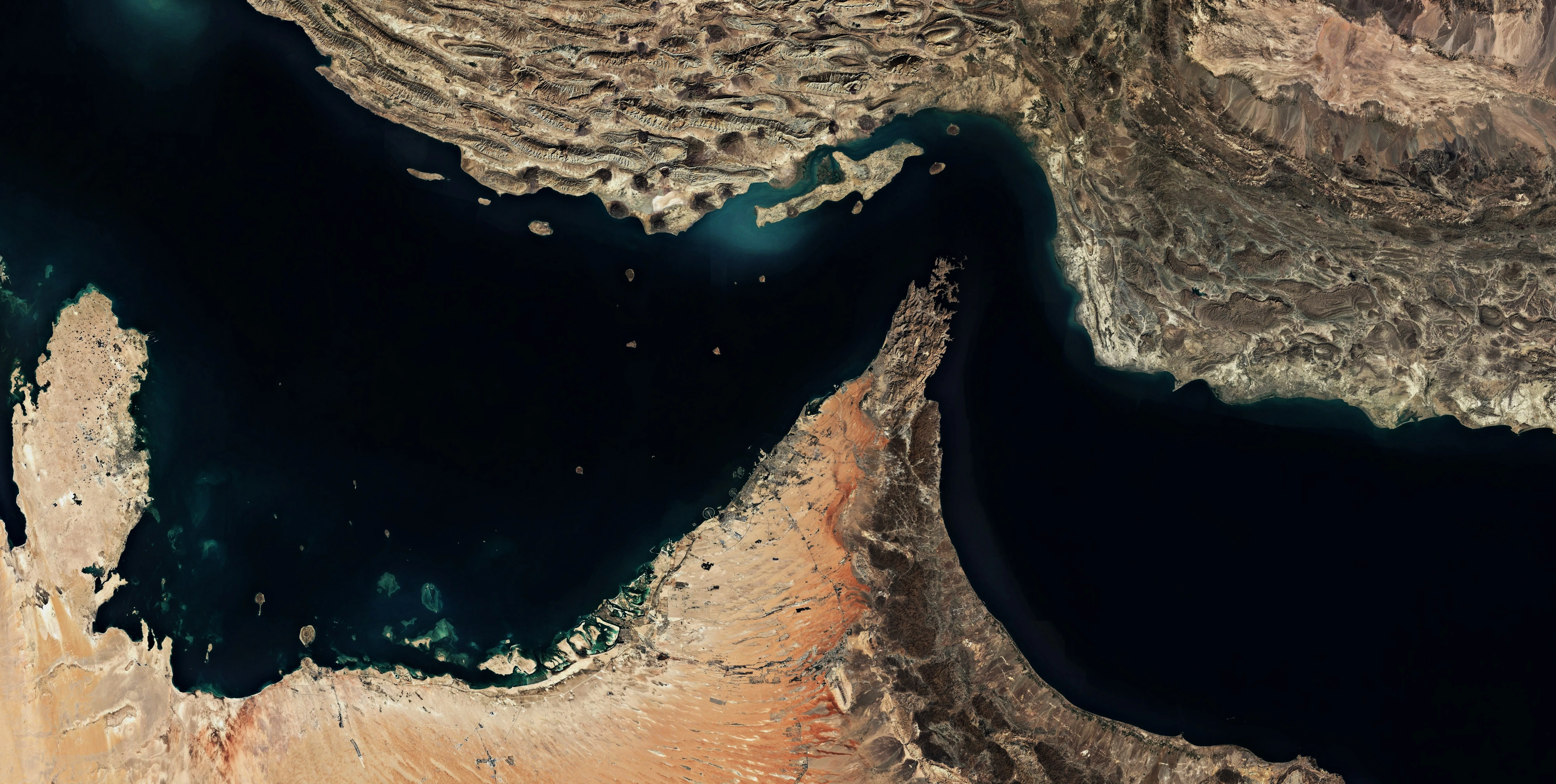
Iran is working to extract billions of dollars from the Strait of Hormuz by positioning itself as manager of the waterway it closed at the start of its war with the United States.
Officials familiar with the matter told the Wall Street Journal that Tehran estimates a system of charges covering security, safety and environmental services in the strait could generate $40 billion a year for participating states.
The proposal draws on the Dardanelles as a template. Under a 1936 convention, Turkey charges ships a fee known as the gold franc for passage through that waterway.
The charge is set at $6.70 a ton for the year starting July 1 and covers sanitary services, lighthouses and lifesaving. Iran has been pitching a comparable model to Persian Gulf neighbours and as far as Beijing, according to Iranian officials, with the expectation that revenue would be shared across participating states.
Iran’s chief negotiator, Mohammad Bagher Ghalibaf, made the regime’s position explicit during a visit to Muscat on Tuesday. “Everyone needs to know that management of the strait will never return to the way it was before,” he said.
Washington is firmly opposed. Speaking in Bahrain on Thursday, Secretary of State Marco Rubio said tolls would set a dangerous precedent and cause chaos.
“The reality is that no country on earth has the right to charge for the use of international waterways, and that will never be an acceptable condition of any deal,” he said. Rubio also said Gulf states had rejected the fee proposal. President Trump echoed that line on social media Wednesday, stating that no tolls, insurance costs or other charges of any kind were being sought or received by Iran on ships in the strait.
The 60-day ceasefire agreement that ended the fighting requires Iran to demine the strait and guarantees toll-free passage during that period, the report said. But the deal also gives Tehran, which does not recognise the maritime law governing the waterway, a role in shaping its long-term management. Iran has already established an insurance firm it says shippers must use, and this week warned that transits outside its designated routes were prohibited.
Traffic through the strait remains well below pre-war levels. Around 70 ships crossed on Wednesday, the highest single-day figure since the war began, compared with an average of 130 oil tankers per day before the conflict. Dangers remain in the water: a cargo vessel reported being struck by an unknown projectile near Oman’s coast on Thursday, causing damage to the bridge but no casualties, according to UK Maritime Trade Operations.
Legal experts say Iran faces substantial obstacles. James Kraska, a maritime law professor at the US Naval War College, told the Journal that Iran has signed agreements banning unilateral charges on passing ships and that Turkey’s arrangement is unique and cannot simply be applied to another nation. Any service fees would require consensus among the 176 member states of the International Maritime Organization.
Oman, which has offered a temporary toll-free corridor hugging its coast coordinated with the IMO, reiterated in talks with Rubio on Thursday that any future Hormuz arrangements would not include transit fees. The UAE’s presidential adviser Anwar Gargash said new geopolitical realities in the strait could not be imposed on Arab Gulf states. Some large shipowners, however, view payment as an acceptable price for reopening a route through which 20% of global oil normally flows.
Iran has also been discussing service fee proposals with China and Egypt. Iranian officials have said privately they would be open to the US joining such payment programmes, an idea Trump has occasionally raised publicly.