
Wegovy’s weight-loss pill that helped patients lose 15 per cent of their body weight in clinical trials is not yet available in the UAE, with regulatory approval still pending as the medication undergoes reviews worldwide, doctors told Lana.
The oral version of semaglutide delivers results comparable to injectable Wegovy, Dr Baiju Faizal, Consultant Internal Medicine at Lifecare Hospital Musaffah said.
“Efficacy for weight loss is comparable between higher-dose oral and injectable semaglutide. Oral semaglutide 50 mg daily resulted in a mean body weight reduction of 15.19 per cent at 68 weeks, similar to the 14.9 per cent reduction seen with weekly subcutaneous semaglutide 2.4 mg in the clinical trial. The 25 mg oral dose achieved a mean weight reduction of 13.69 per cent at 64 weeks,” he explained.
How does the medication work in the body?
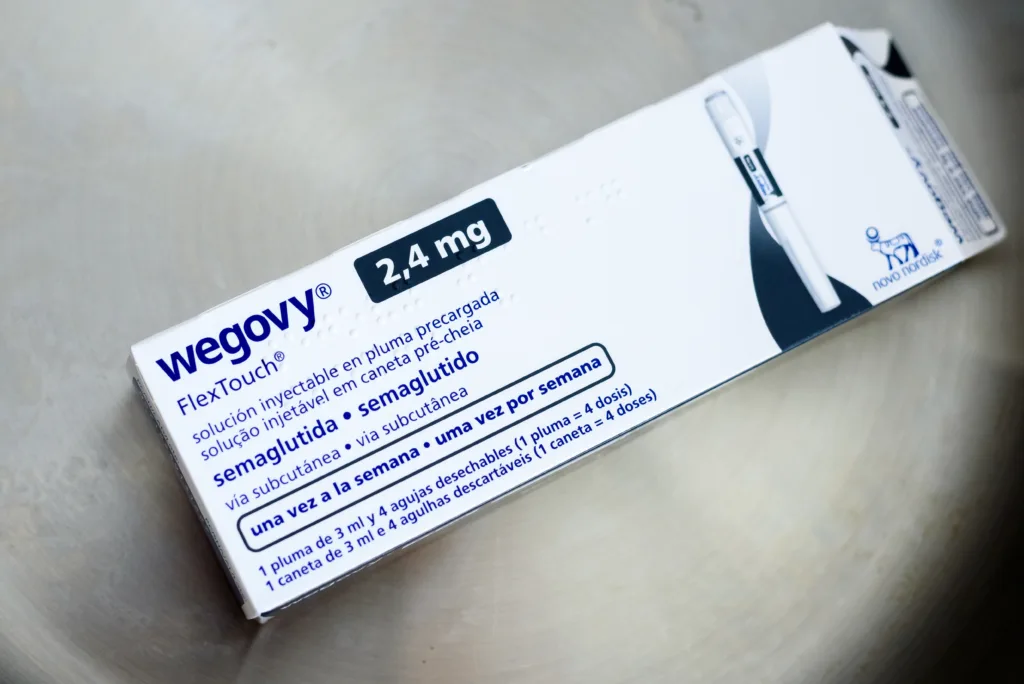
However, doctors in the UAE caution that the pill requires strict administration: it must be taken first thing in the morning on an empty stomach, with a 30-minute wait before eating or taking other medications.
While regulatory approval in the UAE remains pending, though both formulations work through the same mechanism.
“At the core, they work in the same way. Both the pill and Wegovy injections are based on a hormone called GLP-1, which helps control appetite, slows digestion, and reduces signals of hunger to the brain. The main difference is simply how the medication gets into the body.
With injections, the drug goes straight into the bloodstream. With the pill, the body must absorb it through the stomach, which is more complex. Once it’s absorbed, though, the effect on appetite and metabolism is very similar,” Dr Job Simon, Consultant Endocrinology, Diabetes at Burjeel Hospital, Abu Dhabi explained.
In addition, according to Dr. Faizal, “the oral formulation uses an absorption enhancer to facilitate gastrointestinal absorption, as bioavailability is lower than that of the injectable form,” he said.
However, both doctors confirmed that the medications promote weight loss by enhancing satiety, reducing appetite, and delaying gastric emptying.
The injectable forms, according to Dr Simon, currently show higher maximum weight loss but he called for adherence.
“The injectable form, like Wegovy, still leads the way in terms of maximum weight loss. That said, clinical studies show the pill can deliver very meaningful results, especially for patients who take it consistently. For many patients, the difference may be less about numbers and more about what they can realistically stick to long term,” he said.
As per research established so far, the trials are “very encouraging,” Dr Simon added.
“They show that the pill helps people lose significant weight, improves blood sugar control, and has a safety profile we’re already familiar with. What we’re still learning is how patients do outside of clinical trials, in real-world settings, especially over many years,” he saiid.
Additionally, Dr Faizal explained that while clinical trials indicate that oral semaglutide is effective and well-tolerated, there are gastrointestinal side effects such as nausea, vomiting, diarrhea.
“[The symptoms are] most common and similar in frequency and severity to those of the injectable form,” he said, adding “no new safety signals have emerged, but long-term data on sustainability and rare adverse events remain limited.”
“Some people may notice stomach symptoms a bit more at the beginning with the pill, but in most cases, these improve as the body adjusts,” Dr Simon further explained.
So, who is eligible to take the pill?

“The pill may be a good option for patients with obesity or weight-related conditions, those who prefer not to use injections, and patients already familiar with GLP-1 treatments,” he said, explaining that those will certain thyroid conditions, severe digestive problems, or those who can’t follow dosing instructions carefully would not be suitable for it.
“Good candidates” for the pill, according to Dr Faizal, include adults with obesity or overweight with comorbidities (Diabetes, Hypertension, Sleep apnea, Hyperlipidemia, Cardiovascular disease) who prefer oral therapy or have needle aversion.
“Those with a history of medullary thyroid carcinoma, multiple endocrine neoplasia syndrome type 2, or severe gastrointestinal disease should avoid Semaglutide (both injection and tablet),” he explained.
However, the question of whether daily pills improve adherence compared to weekly injections showeed mixed answers.
“For some patients, yes. Many people are simply more comfortable with pills.
However, the pill has strict rules, taking it on an empty stomach and waiting before eating, which can be challenging. Interestingly, some patients find a once-weekly injection easier. There’s no one-size-fits-all answer,” Dr Simon said.
Moreover, Dr Faizal warned that daily pill administration may improve adherence for some patients, especially those with injection aversion, but requires strict timing (empty stomach, 30 minutes before food) and may be less convenient for others. “Missed doses and gastrointestinal tolerability can affect adherence.”
“Drug interactions are minimal, but absorption may be affected by other medications taken simultaneously,” he added.
When can I buy the Wegovy pill in the UAE?

Currently, the pill is not yet available in the UAE, as it is still undergoing regulatory approvals globally.
“Once it receives approval from major authorities, the UAE usually follows after careful review,” he said. “So yes, we do expect it in the UAE, but not immediately, and only once safety and prescribing guidelines are clearly established,” Dr Simon explained.
“An oral option could make treatment feel more accessible and less intimidating, which is a big positive. However, cost and insurance coverage will depend on local policies. Initially, coverage may be limited, but that often improves as these treatments become more established,” he said.
In addition, Dr Faizal noted that the pill also brings practical advantages. “Oral formulations may improve access and reduce logistical barriers (e.g., refrigeration, injection training), but cost and insurance coverage depend on the type of insurance,” he said.
Weight-loss pills like Wegovy not ‘magic solutions’, say doctors

Both doctors also expressed concerns about the medicine as it carries a higher potential of being misused.
“Yes, that is a real concern. These are medical treatments, not lifestyle supplements. As they become more popular, it’s essential that they are prescribed and monitored properly, because weight loss should always be safe, supervised, and sustainable,” he said.
“Concerns about overuse or misuse are heightened as oral agents become easier to take, necessitating careful patient selection and monitoring. The medication must be taken under a Specialist/consultant’s supervision,” Dr. Faizal explained, adding that there are going to be substantial changes as well.
“Oral weight-loss medications are likely to expand obesity treatment options, increase patient choice, and potentially improve uptake and adherence. It is a blessing in the selected population considering the rising obesity around the globe and its adverse health outcomes – cardiovascular disease, Diabetes, Hypertension, and weakened immune system,” he said.
“They’re likely to change the conversation completely. Obesity is a chronic medical condition, and oral treatments make it easier to start care earlier, before complications develop. This is an important step toward treating obesity with the same seriousness as diabetes or hypertension. Weight-loss medications, whether injections or pills, are tools, not magic solutions. When combined with medical guidance, nutrition, and realistic expectations, they can be life changing. What matters most is choosing the right treatment for the right patient, and doing it responsibly,” Dr Simon concluded.