The UAE government has deployed its first four agentic AI systems, targeting a goal to run 50 per cent of all public services and operations on AI-powered systems within two years.
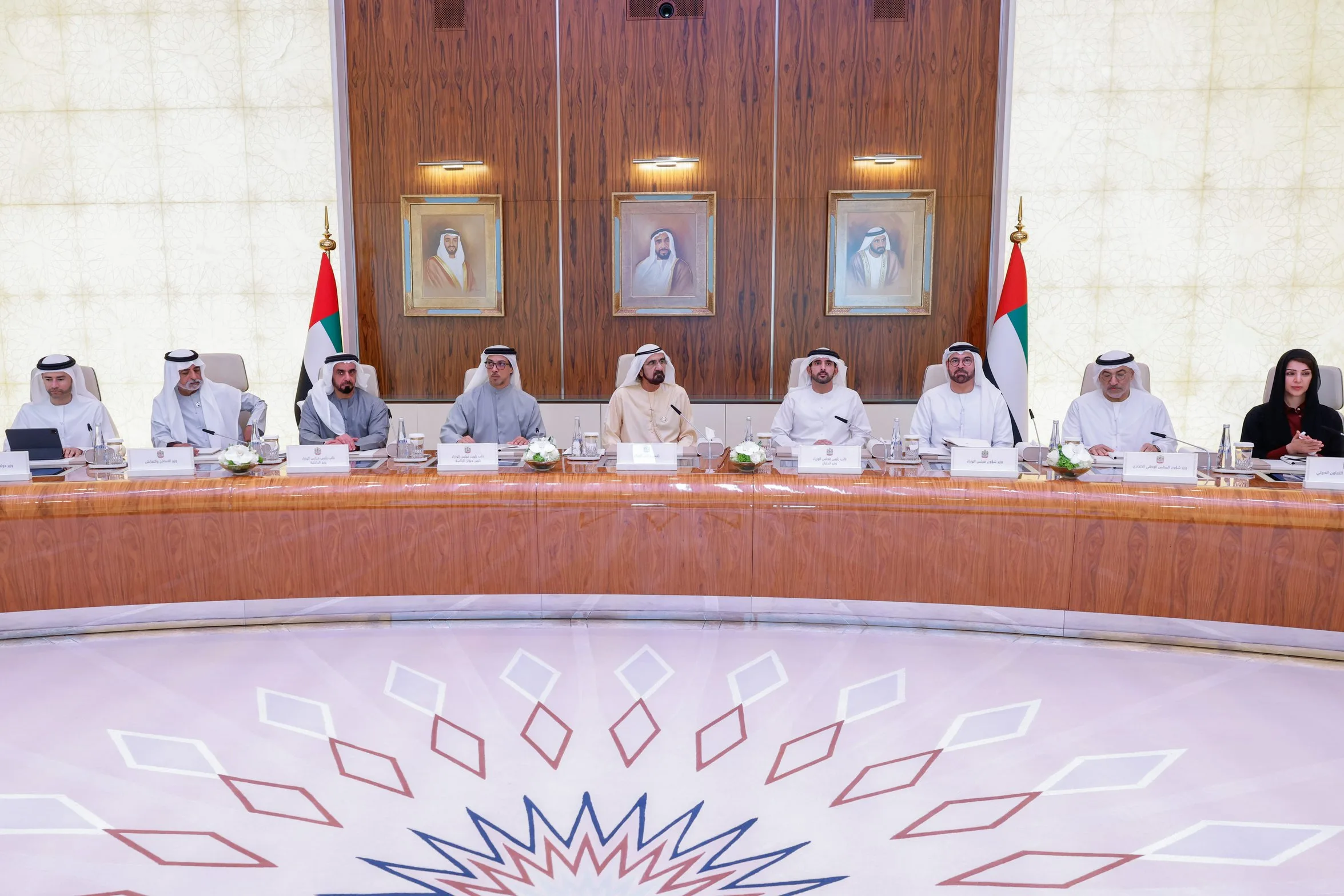
The agents were launched at a national Agentic AI retreat in Abu Dhabi on May 20, attended by Sheikh Mohammed bin Rashid Al Maktoum, Vice President and Prime Minister of the UAE and Ruler of Dubai, alongside Sheikh Mansour bin Zayed Al Nahyan, Lieutenant General Sheikh Saif bin Zayed Al Nahyan, and more than 400 ministers and senior federal officials.
The four agents cover government procurement, to accelerate purchasing and sourcing; tax auditing, to improve compliance checks and shorten audit cycles; customer happiness, to help service staff respond more effectively; and technical support, to manage IT issues across digital government infrastructure.
Sheikh Mohammed framed the moment as consequential beyond the UAE’s borders. “What we are building today is not just a government project, but a model that will inspire the world,” he said. “Technology must serve people and enhance quality of life. This remains the UAE’s enduring commitment to future generations.”
ADNOC provided one of the more concrete illustrations of what AI adoption at scale looks like in practice. CEO Dr. Sultan Al Jaber told the retreat that the energy company now runs more than 115 AI agents across HR, finance, procurement and auditing, with 20,000 employees trained to build their own job-specific models. That work has produced 3,000 active models in daily use, and AI utilisation across ADNOC reached 80 per cent in the past 90 days. Al Jaber also announced ENERGYai, a new platform connecting AI agents across the full energy supply chain.
Omar Sultan Al Olama, Minister of State for Artificial Intelligence, warned that governments slow to move on this technology face a structural disadvantage. “Early adopters of Agentic AI are poised to lead global governance and competitiveness indexes,” he said, “while governments that fall behind risk facing a widening capability gap.”
International expert Luukas Ilves, co-founder of The Agentic State initiative, addressed the retreat and outlined the distinction between governments that react to technological change and those that shape it, citing the UAE as an example of the latter.
The retreat also marked the graduation of the sixth cohort of the UAE’s Federal Artificial Intelligence Programme, part of the country’s broader effort to build AI capability within the public sector workforce.