
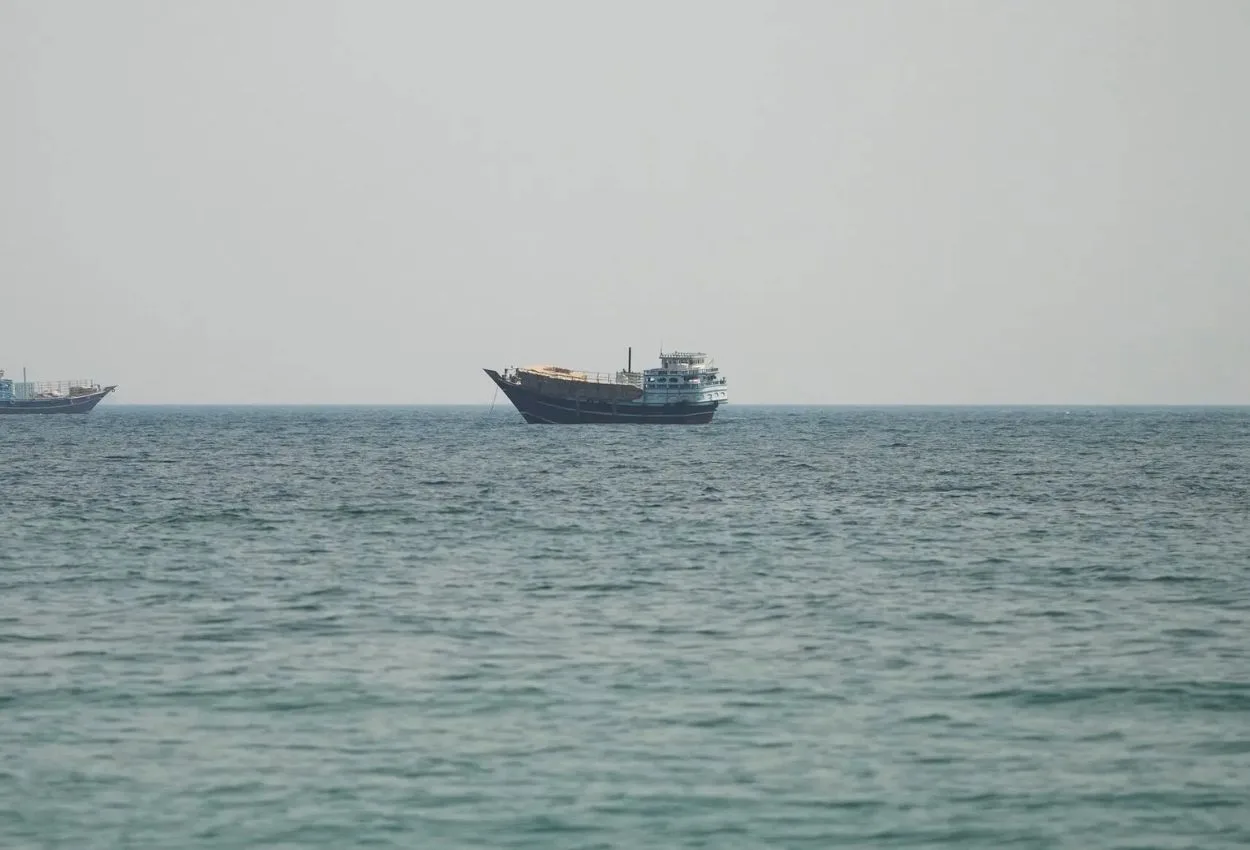
Donald Trump abandoned his plan to impose a 20% fee on all cargo transiting the Strait of Hormuz on Tuesday, saying he would pursue trade and investment deals with Gulf states instead.
The reversal came less than 24 hours after Trump first floated the levy, which would have applied to all ships passing through one of the world’s most critical shipping chokepoints. In a Truth Social post, Trump said the change followed “highly productive conversations with Middle East leadership.”
“I have decided to replace the 20% United States Reimbursement Fee with Trade and Investment Deals that the various Gulf States will be making into the United States,” he wrote.
Trump offered no detail on what specific commitments, if any, Gulf governments had made. He said the investments would be “MASSIVE but, at the same time, extraordinarily good for them, and their future.”
In the same post, Trump declared the strait open to all shipping except vessels bound for or departing Iranian ports, or carrying Iranian cargo. “We will therefore have a FULL Blockade, but only on Ships coming to and from Iranian ports, or carrying anything have to do with Iranian cargo,” he said.
The International Maritime Organization had already pushed back on Monday’s proposal, stating it opposed fees on ships passing through international maritime waterways, though it said it would wait for further details before taking a formal position.