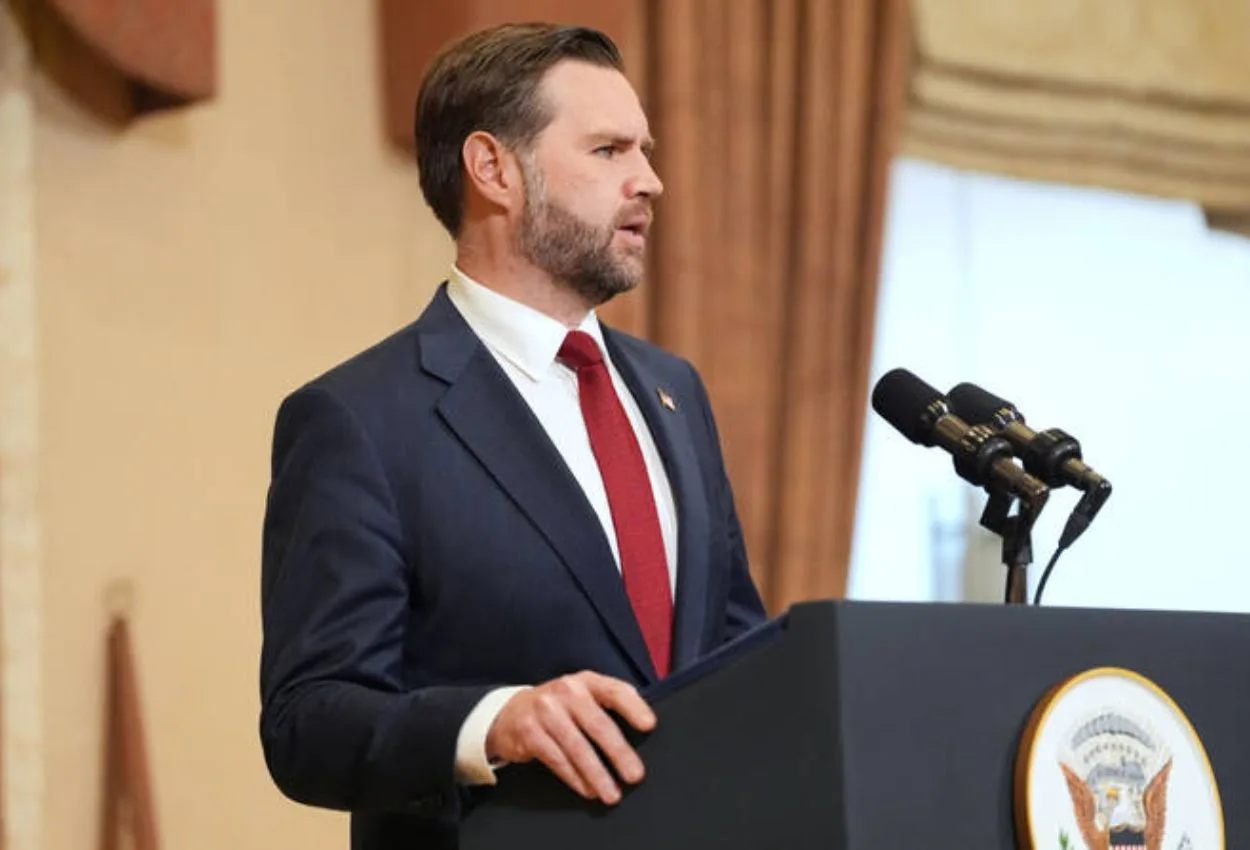
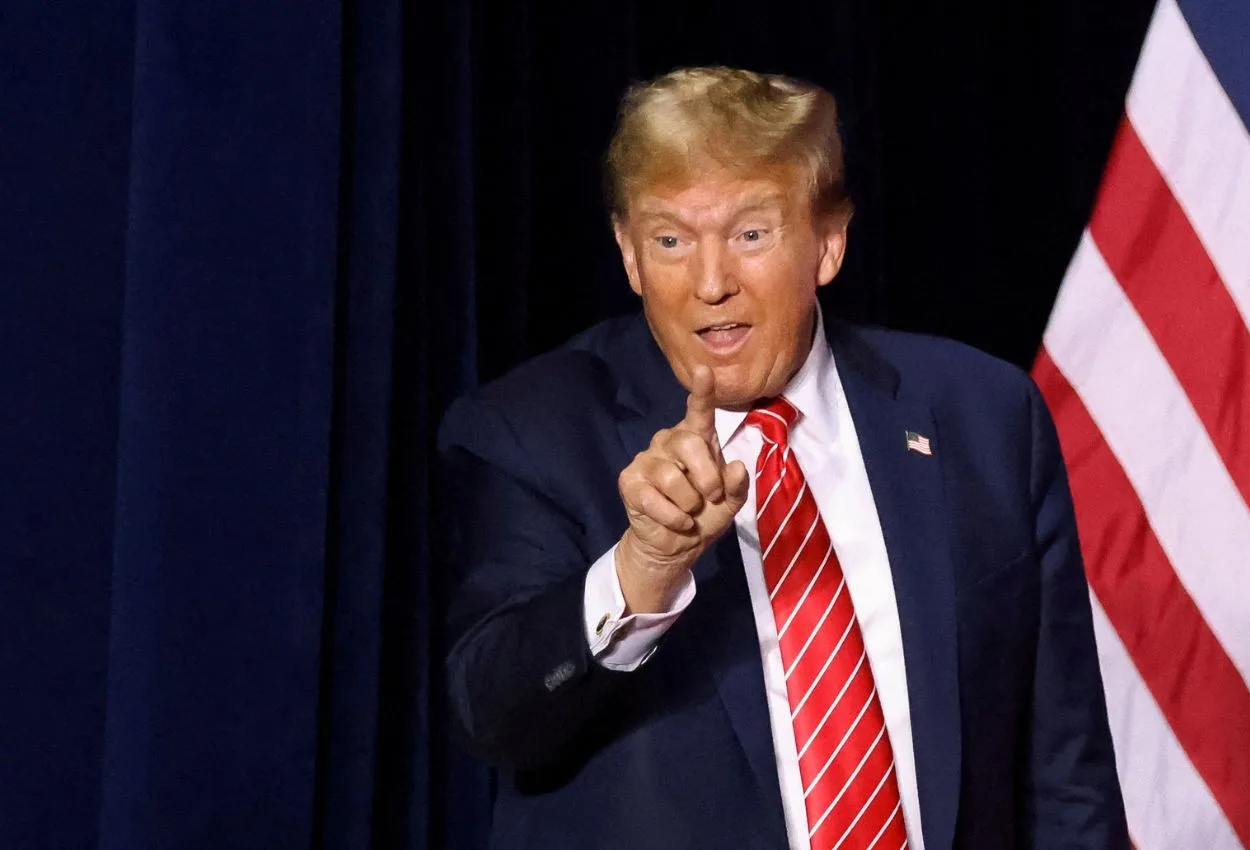
Donald Trump has flatly rejected Iran’s response to a US proposal aimed at ending the war, posting on Truth Social that he had read Tehran’s reply and found it “TOTALLY UNACCEPTABLE.”
Iran’s semi-official Tasnim news agency said the counter-proposal, transmitted through Pakistan acting as mediator, called for an immediate ceasefire on all fronts, an end to the US naval blockade of Iranian ports, and guarantees against further attacks. Iranian state media added that Tehran also sought compensation for war damage and pressed its claim to sovereignty over the Strait of Hormuz, through which roughly 20 per cent of the world’s oil and liquefied natural gas normally passes. The strait has been effectively closed since Iran moved to block it, pushing global oil prices higher.
The US memorandum Iran was responding to, reported by Axios and said to be a single-page, 14-point document, reportedly includes provisions for suspending Iranian nuclear enrichment, lifting sanctions, and restoring free transit through the strait. The outlet cited four unnamed sources briefed on the matter, who said many of the terms would be contingent on a final agreement.
Iranian President Masoud Pezeshkian stopped short of addressing the proposal directly, but made Tehran’s posture clear: “We will never bow our heads before the enemy, and if talk of dialogue or negotiation arises, it does not mean surrender or retreat.”
Israeli Prime Minister Benjamin Netanyahu, speaking to CBS’s 60 Minutes, added a condition of his own, saying Iran’s enriched uranium stockpile must be “taken out” before the conflict can be considered over. “There’s still enrichment sites that have to be dismantled,” he said. In the same interview, Netanyahu said Israel should wean itself off American military funding over the next decade. “We receive $3.8 billion a year. And I think that it’s time that we weaned ourselves from the remaining military support,” he said.
On the ground, tensions in the Gulf continued to rise. Kuwait said it had intercepted drones that entered its airspace. The UAE reported that its air defences had shot down two drones originating from Iran. A bulk carrier was also struck by an unidentified projectile around 43 kilometres north-east of Doha, causing a small fire but no casualties. Iran’s Fars news agency, citing an unidentified source, claimed the vessel was US-flagged.
Iran’s military spokesman Mohammad Akraminia warned that vessels transiting the Strait of Hormuz would face “severe consequences” if they did not first coordinate with Tehran, while dismissing the US naval presence as insufficient to enforce a meaningful blockade.
Britain and France are separately pushing for an international maritime mission to protect shipping in the strait, though UK Prime Minister Keir Starmer has said any deployment would only follow a ceasefire. Iran warned both countries on Sunday of a “decisive and immediate response” should their warships enter the strait. French President Emmanuel Macron subsequently clarified that Paris had “never envisaged” a naval deployment, describing any role as a security mission to be “co-ordinated with Iran.”
Defence ministers from more than 40 nations were set to meet Monday to discuss the UK-led maritime protection plan.
Trump, for his part, warned that a failure to reach a deal would result in a resumption of strikes at “a much higher level and intensity than it was before.”