Live
US-Israel war on Iran: Day 24 latest updates, UAE intercepts missiles, drones in new wave of strikes, One injured in Abu Dhabi
Follow live updates below

Follow live updates below
Dr. Sultan Al Jaber, Minister of Industry and Advanced Technology and ADNOC Group CEO, has declared that weaponising the Strait of Hormuz is “economic terrorism against every nation,” warning that no country should be allowed to hold it hostage.
Speaking at CERAWeek in Houston, Texas, Al Jaber said the crisis has pushed oil prices up 50 percent in just three weeks, raising the cost of living for those who can least afford it and slowing economic growth worldwide.
Describing the scale of what passes through the Strait, Al Jaber said: “Twenty-one miles wide. Twenty million barrels a day. Nearly a fifth of the world’s oil and gas. Over a third of the world’s fertiliser. Almost a quarter of the world’s petrochemicals and significant amounts of industrial metals. In short, much of the oxygen of the global economy runs through a single throat. Yet, Iran believes that choking it is an acceptable strategy.”
He stressed that the crisis is not a supply issue but a security issue with “only one durable answer – keeping the Strait open,” adding: “We cannot trade our way out of this crisis.”
On ADNOC’s resilience, Al Jaber said: “We took hits no civilian enterprise, let alone one focused on delivering energy to the world, should ever have to take,” adding that the experience had only reinforced the UAE’s model of “pragmatic progress, rooted in realism not ideology.”
He noted that through ADNOC, XRG, and Masdar, the UAE has invested more than $85 billion in US energy assets across 19 states.
Al Jaber closed by inviting energy leaders to ADIPEC in November, saying the crisis has drawn “a clear line in the sand” between those who are architects of stability and spectators to volatility.
An Iranian security official has dismissed US claims of indirect negotiations between Tehran and Washington, telling Fars News Agency (FNA) that “there’s no direct or indirect contact with the US.”
The official said President Trump retreated from his threats to strike Iranian energy infrastructure after Tehran warned it would retaliate, adding that “pressure from financial markets and the threat related to bonds in the United States and the West increased, which was another major factor” in the decision.
The official said that since the start of the war, messages had been delivered to Tehran from mediators, with Iran’s consistent response being that “we will continue defending until achieving the necessary level of deterrence.”
He warned that “with this kind of psychological warfare, neither will the Strait of Hormuz return to pre-war conditions nor will calm return to energy markets,” adding that Trump’s five-day postponement “means the continuation of this regime’s plans for crimes against people, and we will continue to respond and defend the country extensively.”
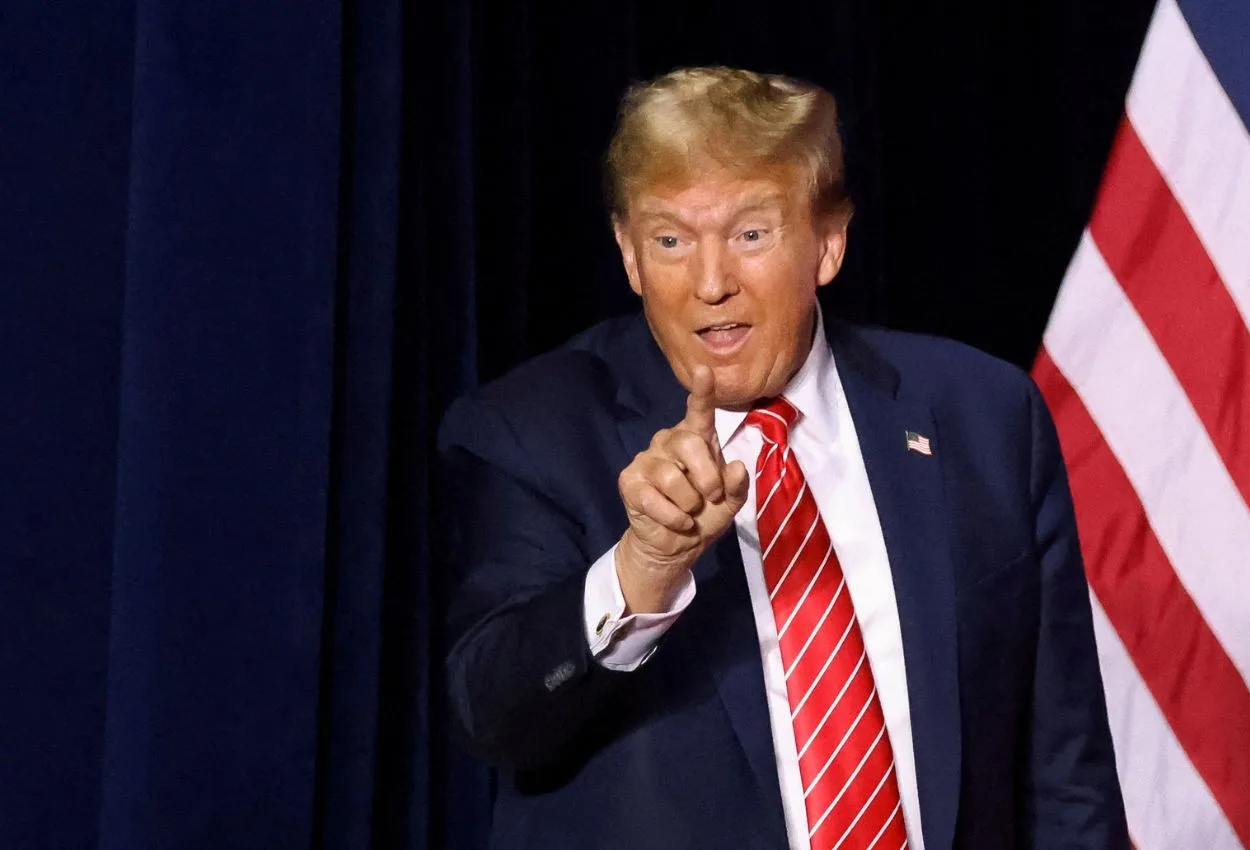
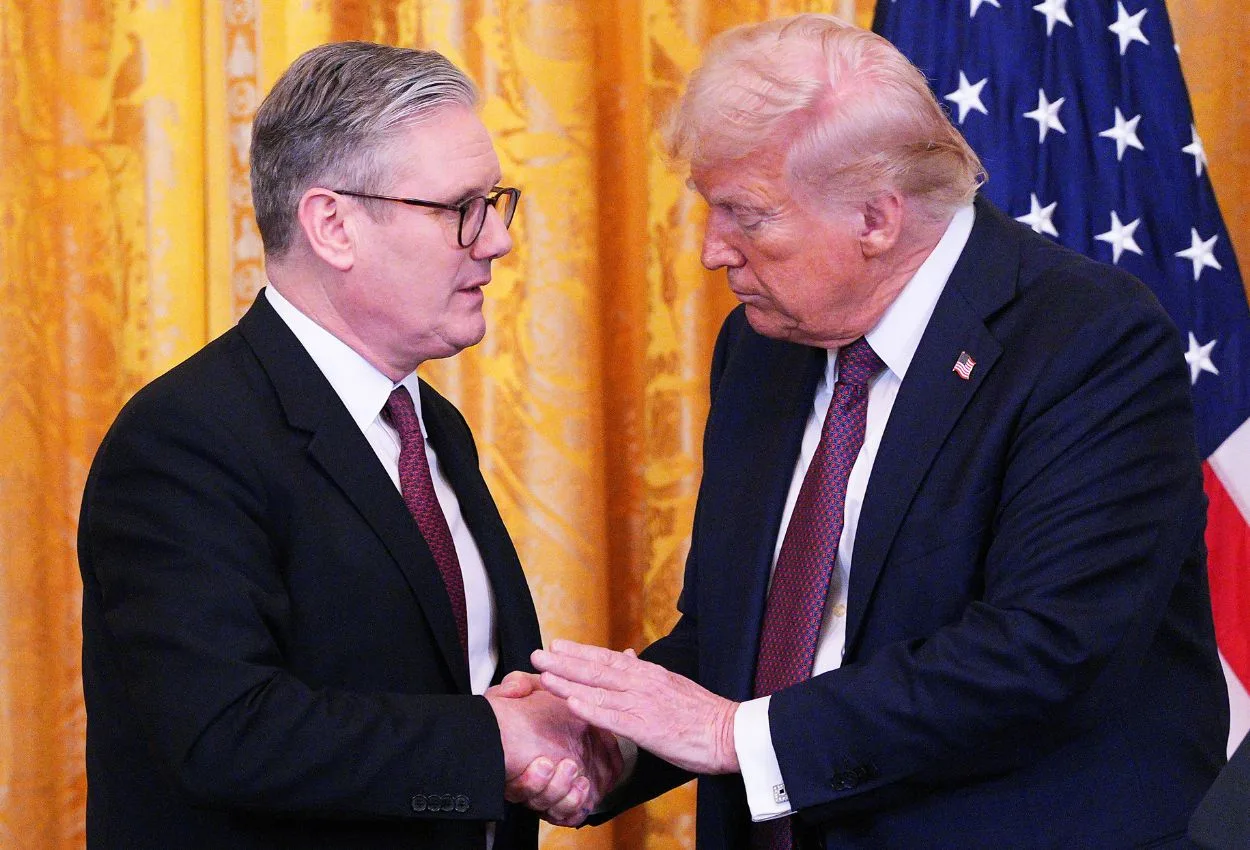
The remarks come after Trump announced he had ordered the postponement of strikes on Iranian power plants for five days following what he described as “productive conversations” with Tehran – a claim Iran has flatly denied.
The Strait of Hormuz, through which roughly 20 percent of the world’s oil normally passes, has effectively been shut down since the US-Israeli offensive against Iran began in late February, with hundreds of ships anchored nearby and global shipping and oil exports paused due to security concerns.
US President Donald Trump announced that the United States and Iran have had “very good and productive conversations regarding a complete and total resolution of our hostilities in the Middle East” over the past two days, via a post on Truth Social.
Based on the “tenor and tone of these in depth, detailed, and constructive conversations, which will continue throughout the week,” Trump said he has “instructed the Department of War to postpone any and all military strikes against Iranian power plants and energy infrastructure for a five day period, subject to the success of the ongoing meetings and discussions.”
The National Crisis and Emergency Management Authority (NCEMA) has announced that air defense systems are actively responding to a missile threat. The public is advised to remain in a safe location and follow warnings and updates through official channels.
UAE air defense systems intercepted 7 ballistic missiles and 16 drones launched from Iran on March 23, 2026.
Since the start of Iranian aggression, air defenses have cumulatively engaged 352 ballistic missiles, 15 cruise missiles, and 1,789 drones.
The attacks have resulted in the deaths of 2 armed forces members and 6 civilians of Pakistani, Nepalese, Bangladeshi, and Palestinian nationalities, with 161 people injured across a range of nationalities.
The Ministry of Defence reaffirmed it remains on high alert and fully prepared to counter any threats and protect the country’s sovereignty, security, and national interests.
Qatar has announced that all ministries, government agencies, public authorities, and institutions will return to normal in-person work from their premises starting Tuesday, March 24, 2026, in accordance with applicable regulations.
Qatar’s Ministry of Interior has called on all entities to continue adhering to approved preventive measures and safety instructions as work resumes, stressing the importance of workplace safety guidelines, emergency exit readiness, evacuation routes, and assembly points.
The ministry urged all organisations to raise awareness among employees and visitors regarding preventive guidelines and ensure their effective implementation to promote a safe working environment.
It also encouraged entities to review the approved guidelines manual via the provided QR code.
Senior diplomatic advisor to the UAE president Dr. Anwar Gargash has questioned the absence of key Arab and Islamic institutions, including the Arab League and the Organisation of Islamic Cooperation, in the face of what he described as Iran’s treacherous aggression against Gulf states and their peoples.
“Where are the ‘major’ Arab and regional countries?” he said via a post on X, warning that it would be unacceptable to later speak of the decline of the Arab and Islamic role or criticise the American and Western presence given this “absence and impotence.”
He stressed that the Arab Gulf states had been a support and partner to all in times of prosperity, asking: “Where are you today in times of hardship?”
Saudi Arabia’s Ministry of Defence announced the interception and destruction of three drones – two over the Eastern Region and one in the Northern Borders Region.
In a separate statement, spokesman Major General Turki Al-Malki said two ballistic missiles were detected heading towards the Riyadh Region, with one intercepted and the other falling in an uninhabited area.
An additional drone in the Northern Borders Region was also intercepted and destroyed.
Kuwait’s Ministry of Defence announced that air defense systems are intercepting hostile missile and drone attacks, clarifying that any explosion sounds heard are the result of interception operations, according to spokesman Col. Saud Al-Atwan.
Saudi Arabia’s Ministry of Defence announced the interception and destruction of seven drones in the Eastern Region, according to spokesman Major General Turki Al-Malki.
UAE President Sheikh Mohamed bin Zayed Al Nahyan has sent a message of condolences to Qatar’s Emir Sheikh Tamim bin Hamad Al Thani, expressing his sincere sympathies over the deaths of a helicopter crew following a technical malfunction that caused the aircraft to crash in Qatari territorial waters.
The victims were members of the Qatari Armed Forces and the joint Qatari-Turkish forces.
Relevant authorities in Abu Dhabi have responded to an incident involving debris from a successfully intercepted ballistic missile falling in the Al Shawamekh area, resulting in a minor injury to an Indian national.
The public is reminded to obtain information from official sources only and to refrain from spreading rumours or unverified information.
Day 6 – US-Israel conflict on Iran: Fresh strikes on Tehran, UAE flight status, latest updates
Day 5 – US‑Israel conflict on Iran: UAE affirms right to self‑defence, latest updates
Day 4 – US-Israel strikes on Iran: Latest updates – everything you need to know
Day 2 – Israel-US strikes Iran: Latest updates
Day 1 – Israel launches ‘pre-emptive attack’ on Iran as explosions hit central Tehran
Subscribe to our free newsletter