
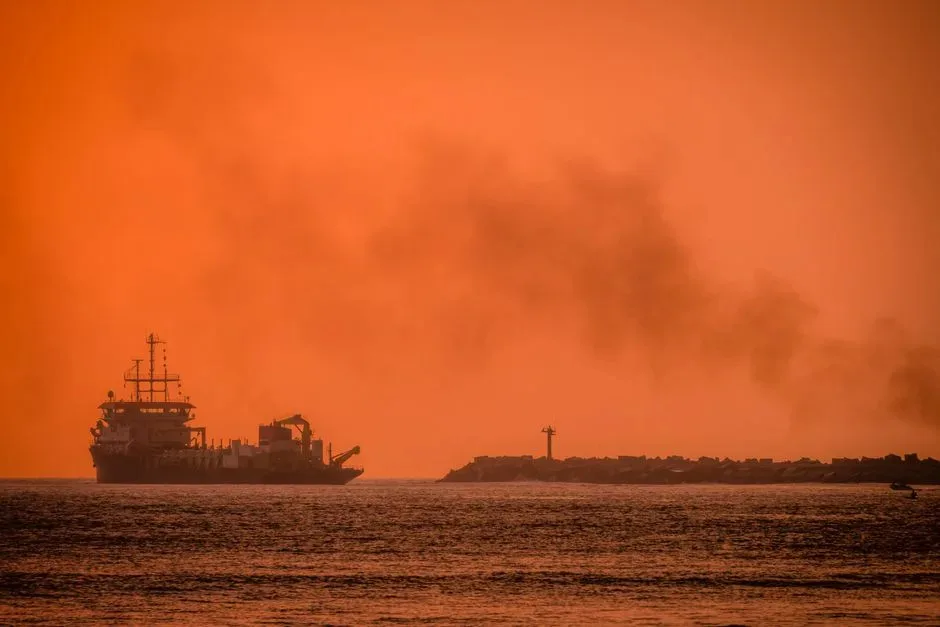
Oil prices rose around three percent on Sunday as Iran expanded its military strikes to Gulf states and transit through the Strait of Hormuz dropped to its lowest single-day figure in five weeks.
Brent crude futures gained $2.34 to reach $78.35 per barrel by 23:11 GMT, a rise of 3.08 percent. West Texas Intermediate climbed $2.21, or 3.09 percent, to $73.62 per barrel.
Tehran widened its strikes earlier in the week to include, drawing further US attacks on Iran in an escalating exchange of blows centred on passage through the Strait of Hormuz. Despite Iran having declared the strait closed after a vessel sailed an unauthorised route and was struck, US President Donald Trump said on Sunday it remained open to commercial shipping.
Ship-tracking data from Kpler showed six vessels transited the strait on Sunday, the lowest count in a single day in five weeks.
The escalation added uncertainty to the interim US-Iran agreement signed last month, which was intended to reopen the waterway and end hostilities after a further 60 days of negotiations. Global oil supply had risen by 4.1 million barrels per day in June following that deal, but remained roughly 9.4 million barrels per day below pre-war levels, according to the International Energy Agency’s monthly report published on Friday.
ANZ Bank analysts wrote in a note that “hopes for a relatively swift resolution to the latest skirmishes may be in doubt following the escalation earlier in the week.” IG market analyst Tony Sycamore was more measured, arguing that the relatively contained price move suggested markets viewed the current exchanges as an escalation within a fragile ceasefire rather than a full breakdown. “Whether that assessment proves accurate remains to be seen,” he said.