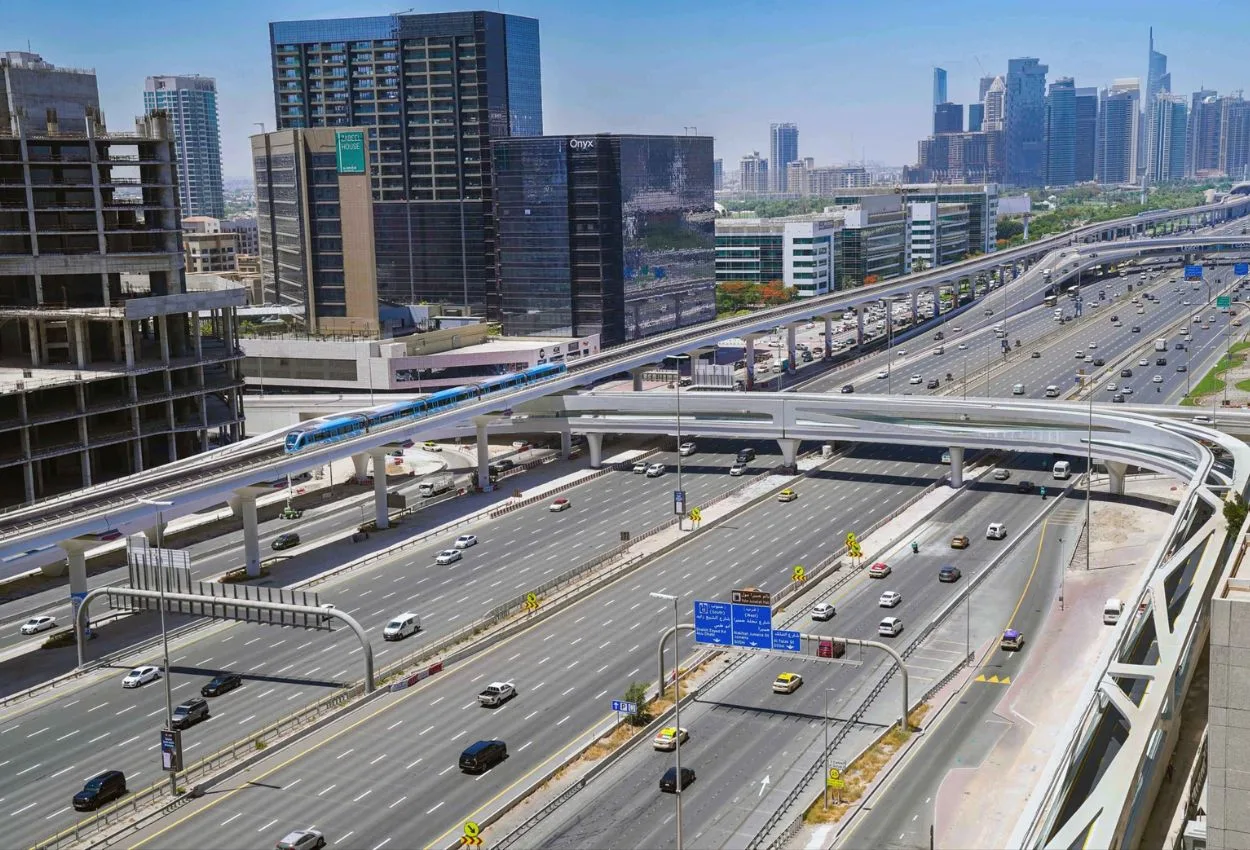
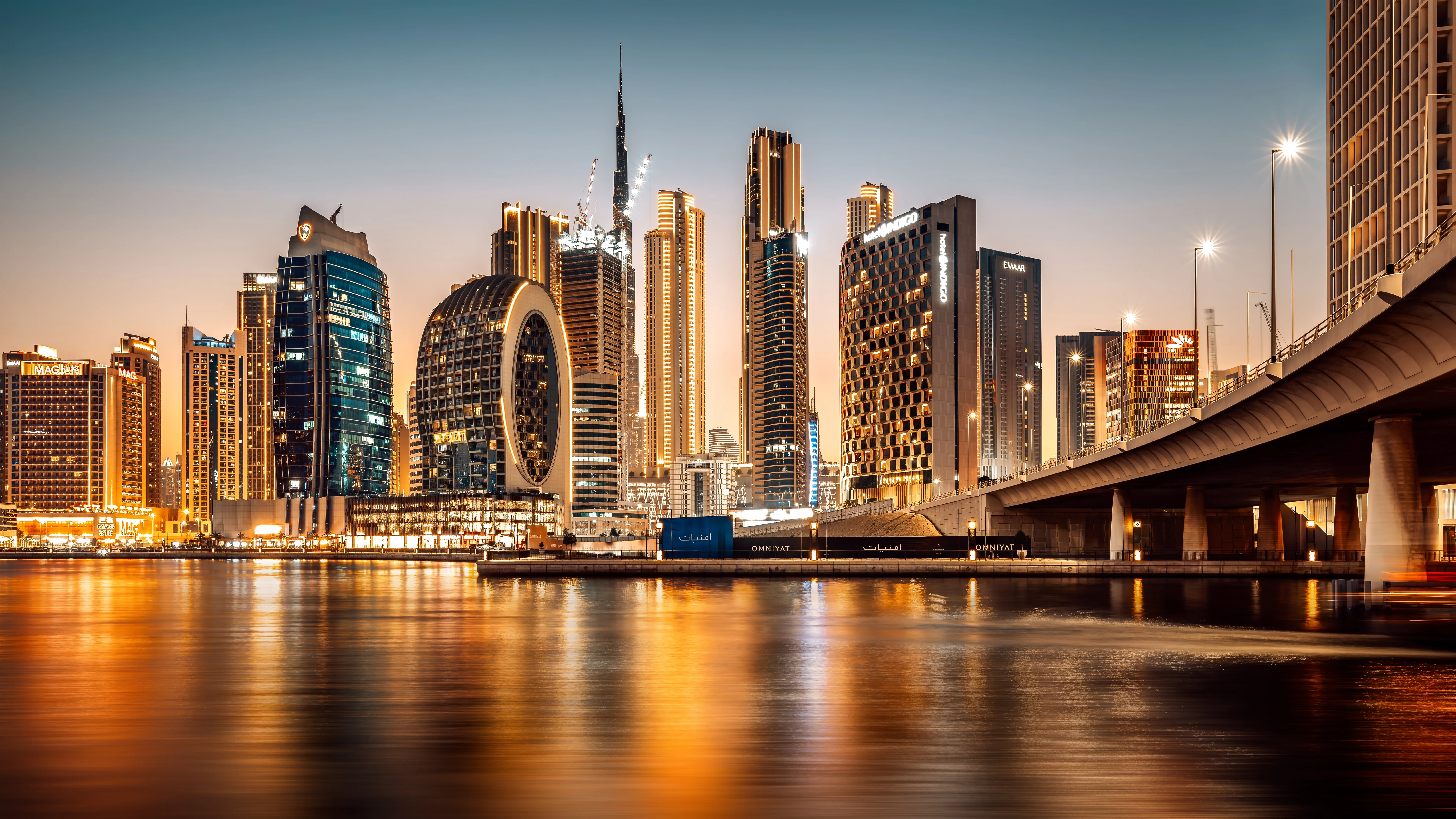
Dubai has strengthened its position in global city rankings, according to the Kearny 2025 Global Cities Report, with the emirate climbing five places in human capital metrics while Gulf cities demonstrate momentum across multiple categories.
The report, which assesses 158 cities worldwide through the Global Cities Index (GCI) and Global Cities Outlook (GCO), shows Dubai has solidified its position as the region’s leader in human capital, leveraging what the report describes as its reputation for safety, business operations, and global connectivity.
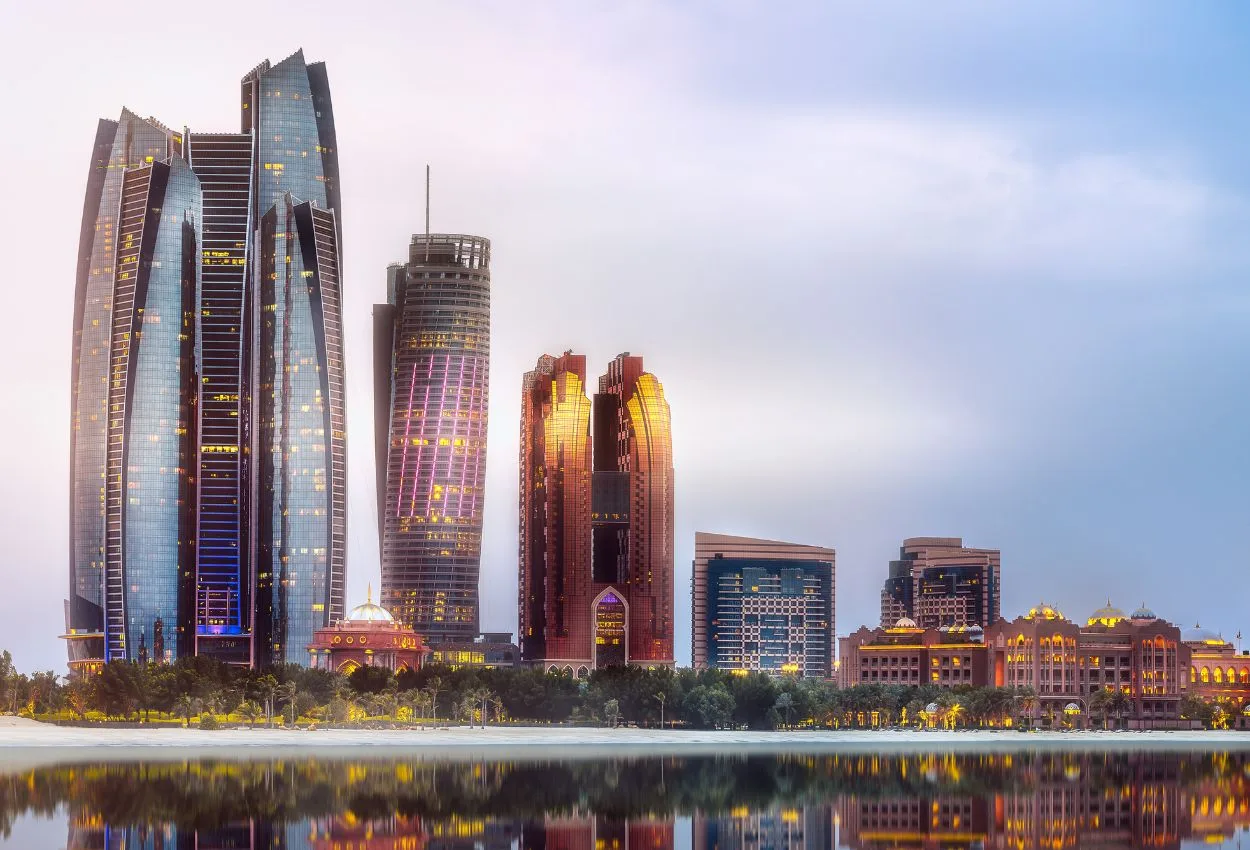
The emirate’s rise forms part of a pattern across Gulf cities, with Riyadh advancing nine positions, Abu Dhabi up 14 places, and Manama gaining 16 spots in human capital rankings.
Dubai climbs five places in human capital rankings
The report attributes these gains to immigration programmes and investments in education, workforce development, and what it terms “inclusive opportunity”.
The Global Cities Outlook, which measures future potential rather than current performance, indicates Gulf cities including Dubai, Riyadh, and Dammam are “surging, driven by strategic investments in livability and infrastructure that will pay dividends well into the future”.
The report notes personal well-being scores are declining in many Western cities, including hubs in the United States and Europe, due to inequality, healthcare systems under pressure, and social unrest. In contrast, Gulf cities are benefiting from infrastructure investments.
New York retained the top position in the GCI for the ninth year, followed by London, Paris, Tokyo, and Singapore. The top five positions remained unchanged from 2024, though the report states leadership is “increasingly defined by adaptation to change: digital infrastructure buildouts, climate-resilience investments, and institutional agility”.
The 2025 report identifies artificial intelligence as “no longer peripheral, but central to economic growth and urban transformation”. The document states AI poses risks for employment, inequality, and institutional capacity, with pressures felt most in global cities due to their concentration of knowledge-based jobs.
“Competitiveness now depends less on size or legacy than on readiness—namely, the ability to align energy capacity, environmental resilience, and talent systems to not only seize AI’s gains, but also to absorb its shocks,” the report states.
Cities experiencing conflict showed declines in human capital rankings. Moscow dropped 13 places, Saint Petersburg fell 19 positions, Kyiv declined three spots, and Khartoum fell two places. The report suggests rebuilding human capital in these areas “may be a generations-long undertaking”.
Asia Pacific and Latin American cities gain in business activity
Business activity saw shifts in 2025, with cities in Brazil, Kazakhstan, India, and Malaysia gaining ground. In the Asia Pacific region, Almaty rose 14 spots in business activity rankings, Kolkata advanced 11 places, Taipei climbed 13 positions, and Kuala Lumpur moved up nine places.
Information exchange scores rose across all regions. Manama gained 15 positions in this category, while Taipei rose five places, Mumbai advanced five spots, and Dhaka climbed six positions.
The report states the 2025 findings arrive during a period of upheaval, with 2024 described as “a year of extraordinary political upheaval” and 2025 as “one of reverberating aftereffects”. It references conflicts in Ukraine, Gaza, and Sudan as destabilising factors, alongside what it describes as policy swings and changes to global trade patterns.
The report indicates migration patterns are changing, citing Sweden’s record-low asylum permits in 2024 and projections of net negative migration in the United States for the first time in more than 50 years.
The GCI evaluates cities across five dimensions: business activity, human capital, information exchange, cultural experience, and political engagement, using 31 indicators. The assessment is described as capturing “the vibrancy and reach of urban centers, quantifying their ability to attract, retain, and generate global flows of people, capital, and ideas.”
The report concludes that cities able to align infrastructure, environment, and human capital both to capture AI’s upside and mitigate its dislocations will succeed in what it terms “the intelligence age.”