
Time magazine has described “Dubai chocolate” as a soft power asset for the United Arab Emirates (UAE), highlighting a confection that has spread from a Dubai startup to social media and global confectionery shelves.
The product typically features a hollow chocolate shell filled with pistachio-infused kunafa, a pastry rooted in Middle Eastern cuisine.
“Dubai chocolate has achieved something remarkable: it has made people around the world actively crave something associated with the UAE. The confection consists of a hollow chocolate shell, typically filled with pistachio-infused kunafa, a Middle Eastern pastry made from thin, crispy noodles. The result is a texture-driven sensation: creamy chocolate yielding to crunchy, buttery, nutty filling,” explains Bobby Ghosh in an article.
From Dubai launch to social media surge
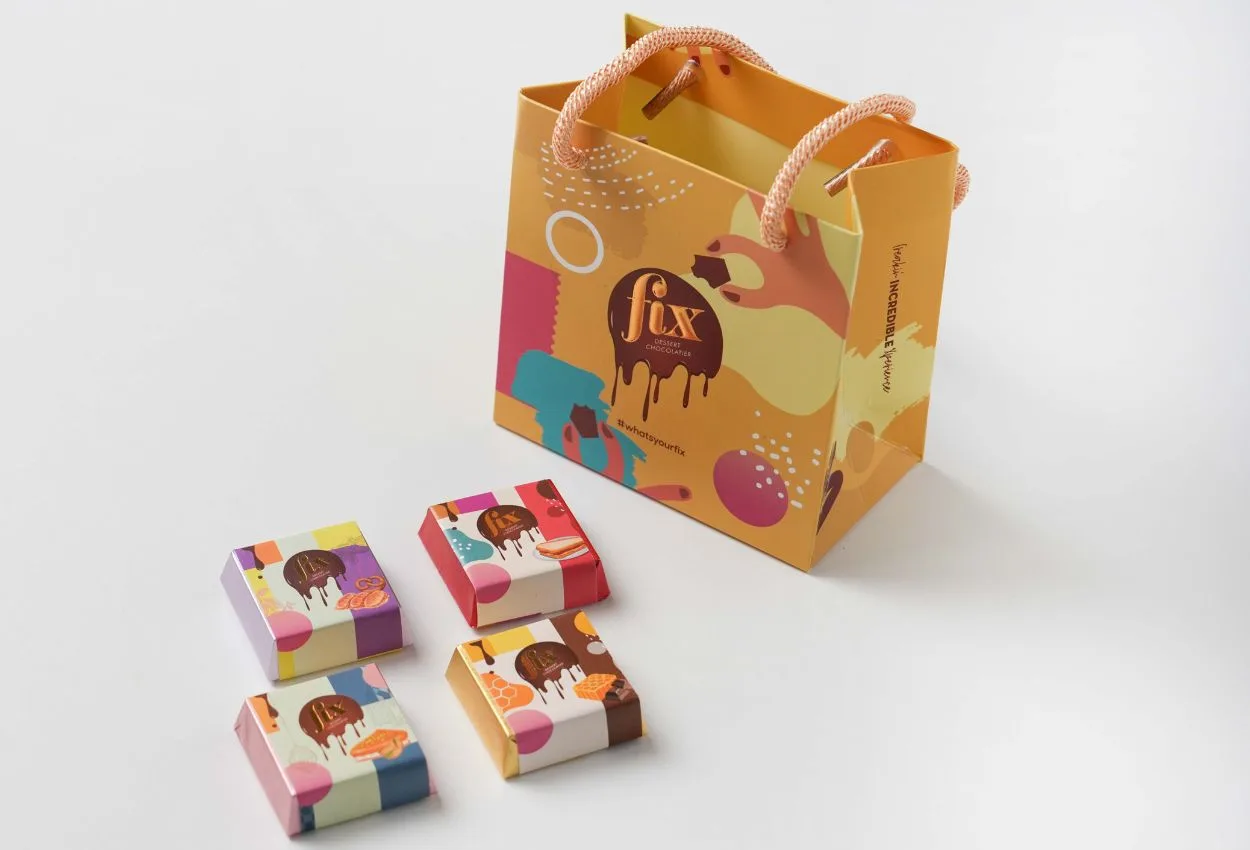
Dubai-based Fix Dessert Chocolatier introduced the item in 2021. By late 2023 and early 2024, short videos featuring the combination of chocolate, pistachio and kunafa circulated widely on TikTok and other platforms.
Fix Dessert Chocolatier
AI Generated
Fix Dessert Chocolatier is a Dubai-based confectioner that gained international recognition for its innovative chocolate creations, particularly those featuring Middle Eastern flavours. The chocolatier’s signature offerings, which often combine traditional ingredients like kunafa and pistachio with premium chocolate, have contributed to the popularisation of ‘Dubai chocolate’ and its association with the United Arab Emirates.
Home cooks and cafes adapted the format, extending the flavor profile into drinks and cakes as recipes spread online.
International confectioners have also released versions that echo the pistachio-kunafa profile. Lindt and Galaxy introduced products inspired by the format. U.S. brand Ghirardelli launched bite-sized truffles with a similar flavor.
Fix Dessert Chocolatier has taken the concept to the United Kingdom with a London pop-up operating through Nov. 23, 2025.
‘Soft power’ through food
Time’s article frames Dubai chocolate as a case study in how food can create recognition and positive associations across borders, comparing the phenomenon to the way ramen shaped global perceptions of Japan and barbecue did for Korea.
The piece argues that while paid promotion cannot guarantee cultural affinity, a recognizable taste can build attachment across age groups and markets.
Kunafa and pistachio are familiar flavors across the Middle East, and their pairing with chocolate has given the UAE a distinct dessert associated with Dubai.
The combination has become a shorthand for the emirate’s food scene as international brands and retailers adapt the idea. The recognition in Time places the dessert within a broader discussion of how regional flavors can travel, helping the UAE extend cultural reach through consumer products.