Across the GCC, renovation is becoming an increasingly important part of the built environment lifecycle. For many years, the region’s real estate story was defined by rapid construction and new developments.
Today, as more residential and hospitality assets mature, attention is shifting towards upgrading existing buildings to improve performance, functionality and long-term value.
This evolution is visible across markets such as Dubai, where homeowners, investors and developers are increasingly looking beyond off-plan purchases and focusing on enhancing existing properties.
Apartments and villas are being renovated to improve everyday living, strengthen rental potential and remain competitive within a rapidly changing market.
The same trend is evident across hospitality, where operators must continually refresh guest experiences while maintaining business continuity.
With significant hotel development activity continuing across the region, renovation is no longer an occasional intervention. It is becoming part of how buildings are managed throughout their lifecycle. Yet the success of any renovation project depends on more than what is visible.
Bathrooms are often approached through the lens of design; finishes, colours, ceramics and fittings. While these elements shape the experience of a space, the long-term performance of a bathroom is determined much earlier, through the infrastructure that sits behind the wall. This is where smarter renovation begins.
Concealed cisterns, installation frames, pipework connections and water management technologies form the foundation of a modern bathroom system. These components influence reliability, maintenance and the ability to upgrade spaces in the future without unnecessary disruption.
At GROHE, bathrooms are approached as connected water systems rather than individual products. Concealed installation systems, flushing technologies, fittings and water management solutions are engineered to work together, creating a foundation that supports both current needs and future upgrades.
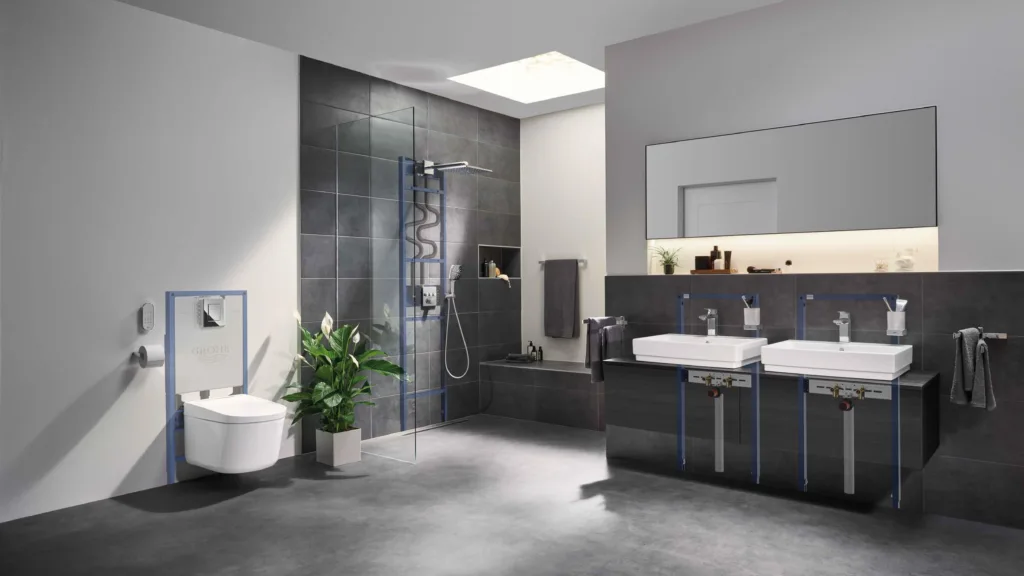
This systems approach changes the way renovation is considered. Instead of replacing an entire bathroom every time design preferences change, visible elements such as flush plates, fittings and ceramics can often be updated while the concealed infrastructure remains in place.
For homeowners and property operators, this creates greater flexibility. It reduces disruption, protects the value of existing installations and allows spaces to evolve without repeatedly disturbing the building structure. This is particularly relevant in the GCC, where refurbishment often needs to happen within occupied properties.
Hotels, residential buildings and mixed-use developments require solutions that can support upgrades while minimising downtime. However, intelligent renovation is not only about maintaining what already exists. It is also about improving how systems perform. Water management is becoming a more technical conversation, moving beyond broad sustainability claims towards measurable engineering performance.
The way water is delivered, controlled and experienced depends on how individual components work together as part of a complete system. GROHE’s approach focuses on achieving a balance between user experience and controlled water flow.
Technologies such as AquaCalibrator regulate flow rates while maintaining performance, with measurements referenced against recognised European standards, including EN 817 Class A for faucets and EN 1112 Class A for showers.*
This distinction matters.

The technical capability of a product can be measured, while actual water consumption depends on how a product is used by individuals. Clear performance data and transparent references create a more accurate understanding of how systems contribute to responsible water management.
In the GCC, where water availability remains a structural consideration, this level of control is increasingly important. Developers, consultants and building owners are looking for solutions that support reliable performance over years of operation.
Technology is also making water use more visible. Connected solutions are helping homeowners and operators better understand consumption patterns and identify potential issues earlier. Droplet, a LIXIL company, is one example of how intelligent monitoring can support better water management.
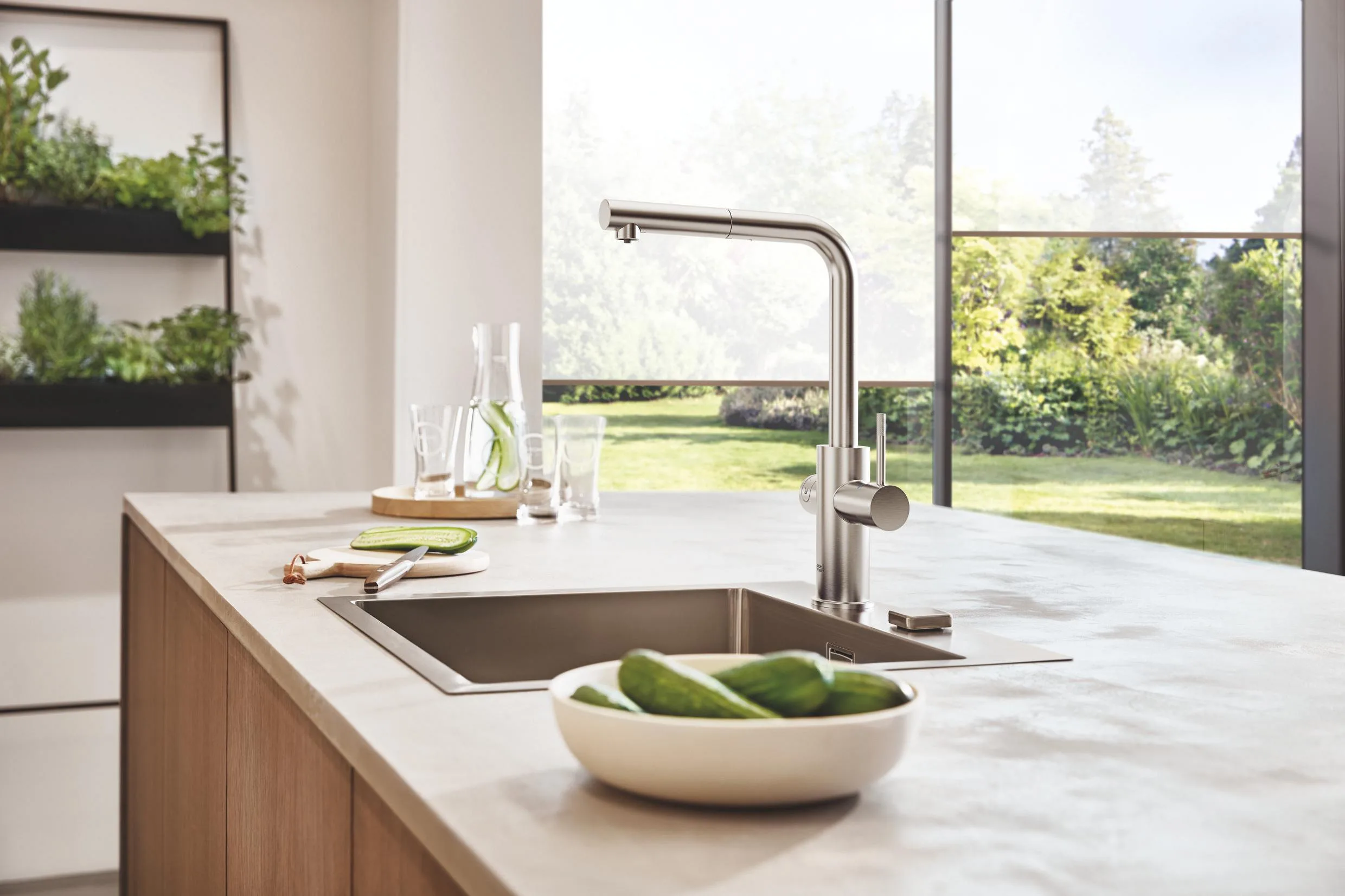
Installed on a property’s main water supply line, the technology analyses usage patterns across different applications and can help identify unusual activity, including potential leaks. The same principle extends into the kitchen. GROHE Blue integrates water filtration and dispensing technology into a single faucet system, providing filtered, chilled and sparkling water directly from the tap.
By changing how people access drinking water at home, integrated systems can support more convenient and considered everyday choices. As technology continues to shape renovation, another factor remains essential: execution. 3 Even the most advanced system depends on correct specification, installation and maintenance.
Understanding what exists behind the wall, selecting the right technology and working with trained professionals are critical to achieving the intended performance of any renovation project.
This is why education across the industry; from designers and architects to installers, plumbers and MEP consultants remains a key part of delivering better outcomes.
The definition of quality in renovation is changing. Luxury is no longer defined only by appearance; it is increasingly measured by reliability, adaptability and the ability of a space to perform consistently over time.
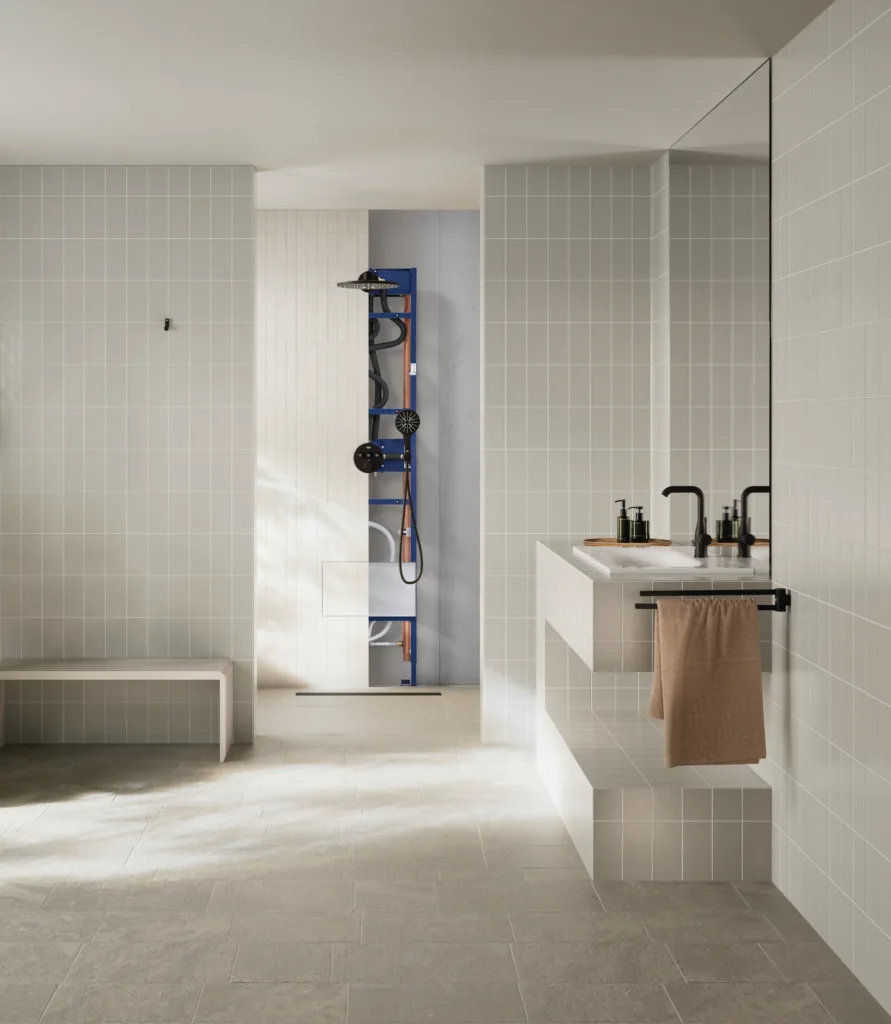
The future of renovation will not necessarily belong to projects that replace the most. It will belong to those that understand what should remain, what can be improved and how intelligent systems can extend the life of existing buildings.
Ultimately, the most important innovation in renovation may not be what people see when they enter a bathroom. It is the engineering behind the wall that quietly supports every experience that follows.
*Flow rates vary by product category. Faucet performance is measured against EN 817 Class A (12–15 l/min at 3 bar). Shower performance is measured against EN 1112 Class A (12–15 l/min at 3 bar). Actual water consumption depends on usage behaviour and duration.