The UAE’s IFFCO Group has attracted preliminary interest from multiple parties, including International Holding Co. (IHC) and Dubai-based billionaire Mohamed Alabbar, as the conglomerate navigates a debt restructuring crisis, Bloomberg reported citing people familiar with the matter.
IHC, the investment firm chaired by Sheikh Tahnoon bin Zayed Al Nahyan, Deputy Ruler of Abu Dhabi, and Alabbar, whose businesses span the property, restaurant and retail sectors, are among parties that have expressed early-stage interest in the firm or some of its assets, the people said, declining to be identified as the information is confidential.
The assets could be worth several billion dollars, one of the people said, according to the Bloomberg report. However, buyers have not yet made formal offers, and any decisions will likely only come after courts rule on the company’s future, another person familiar with the matter said.
UAE’s IFFCO draws bidder interest as $2 billion debt crisis escalates
No final decisions have been made and a bid may not ultimately materialise, the people added.
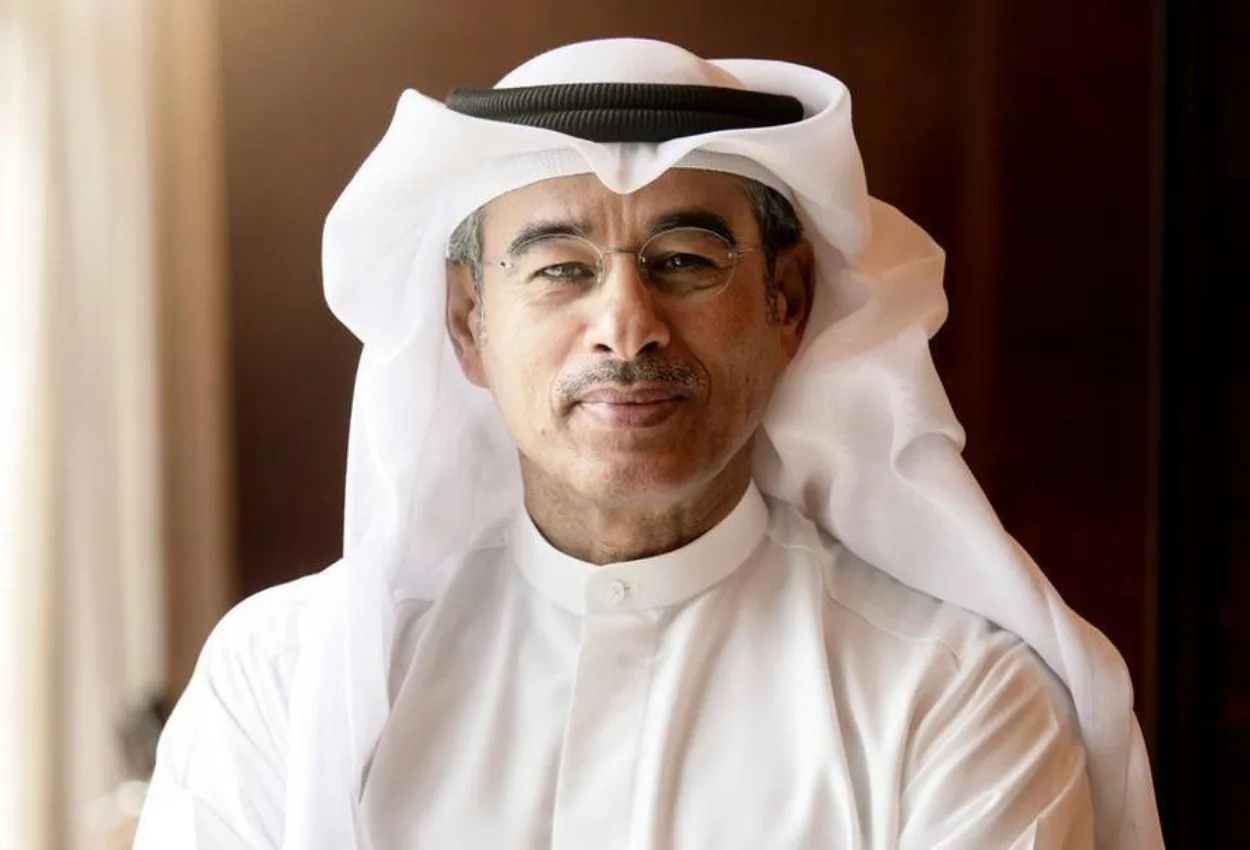
Alabbar confirmed his interest directly, telling Bloomberg News he had written to IFFCO’s board members and the banks involved, expressing interest in acquiring the whole business.
IFFCO carries approximately $2 billion in debt. Its creditors include HSBC Holdings Plc and Emirates NBD PJSC. A creditor group recently filed insolvency petitions in the Isle of Man and Singapore after failing to reach a restructuring agreement with the company.
IFFCO declined to comment. Representatives for IHC, HSBC and Emirates NBD did not immediately respond to requests for comment.
Founded in 1975, IFFCO operates the London Dairy ice cream brand and has a presence in approximately 50 countries. Its portfolio spans food, packaging, chemicals and logistics. The company traces its roots to India’s Allana Group, an agricultural commodities trader established in 1865.
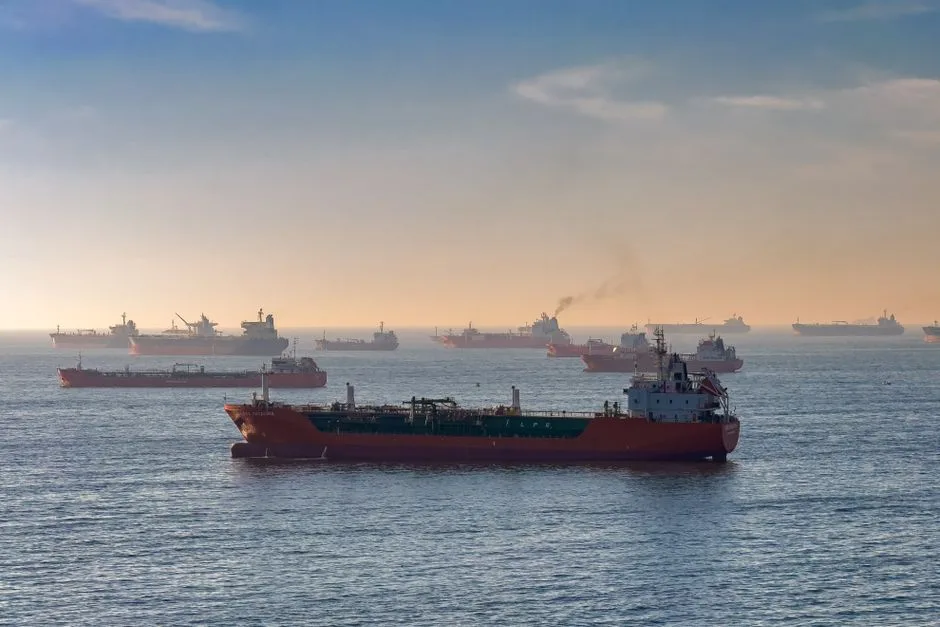
With manufacturing facilities across the UAE and overseas producing goods ranging from cooking oils to animal feed, the firm has become a part of the Gulf country’s food security infrastructure. The regional conflict, however, has disrupted flows through the Strait of Hormuz and constrained the firm’s ability to import raw materials.